
Accessorizing is one of the most powerful tools in personal style. Clothes may form the base of an outfit, but accessories are what bring personality, balance, and polish. The right choice of watch, belt, jewelry, bag, or scarf can elevate even the simplest clothing, while the wrong choice can overpower or confuse the look. Learning the essential do’s and don’ts of accessorizing ensures that you always achieve harmony, confidence, and taste in your appearance. This guide explains the key principles for men and women, offering practical tips that can be applied to both everyday wear and formal outfits.
The Essential Do’s of Accessorizing
1. Do Choose Accessories that Match the Occasion
The first step in accessorizing is understanding context. A sleek leather watch works well in professional settings, while a sporty digital watch is more fitting for casual or athletic environments. Jewelry that shines in the evening may be distracting at the office. Always think about the setting before selecting pieces. Formal events call for classic and refined items, while casual outings allow for more experimentation and color.
2. Do Use Accessories to Express Personality
Accessories should highlight your individuality. A patterned scarf, a vintage brooch, or a unique belt buckle can communicate personal taste in a subtle but strong way. Use accessories as a way to tell a story without words. Even small choices, such as the color of a tie or the design of a bag, can add personality while still keeping the outfit coordinated.
3. Do Match Metals and Materials Carefully
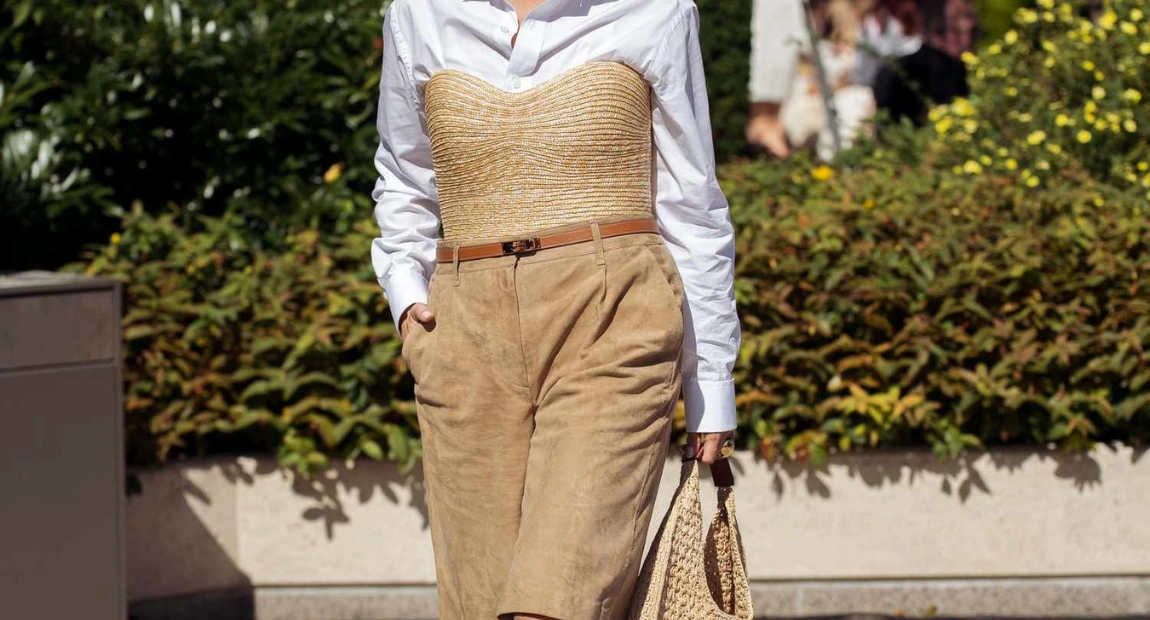
Consistency in materials is essential for polished style. Mixing too many different metals or textures can make an outfit appear chaotic. If you wear silver jewelry, keep your belt buckle and watch in the same family. The same rule applies to leather. A brown leather belt should be matched with brown leather shoes whenever possible. Keeping materials consistent gives the entire outfit a more unified and refined finish.
4. Do Invest in Timeless Pieces
While trends change, certain accessories never go out of style. A classic wristwatch, pearl earrings, a leather handbag, or a neutral scarf can be worn year after year. Investing in these timeless items provides a strong base for accessorizing. They also make it easier to adapt when you bring in new, trend-based accessories because they anchor the look with elegance.
5. Do Layer Accessories with Care
Layering can add depth and interest to an outfit when done correctly. Necklaces of varying lengths can create a stylish effect, and stacking bracelets or rings can look modern when kept within a color theme. However, layering should remain controlled. Keep all layered items within a consistent style to avoid creating confusion.
6. Do Adapt Accessories to the Season
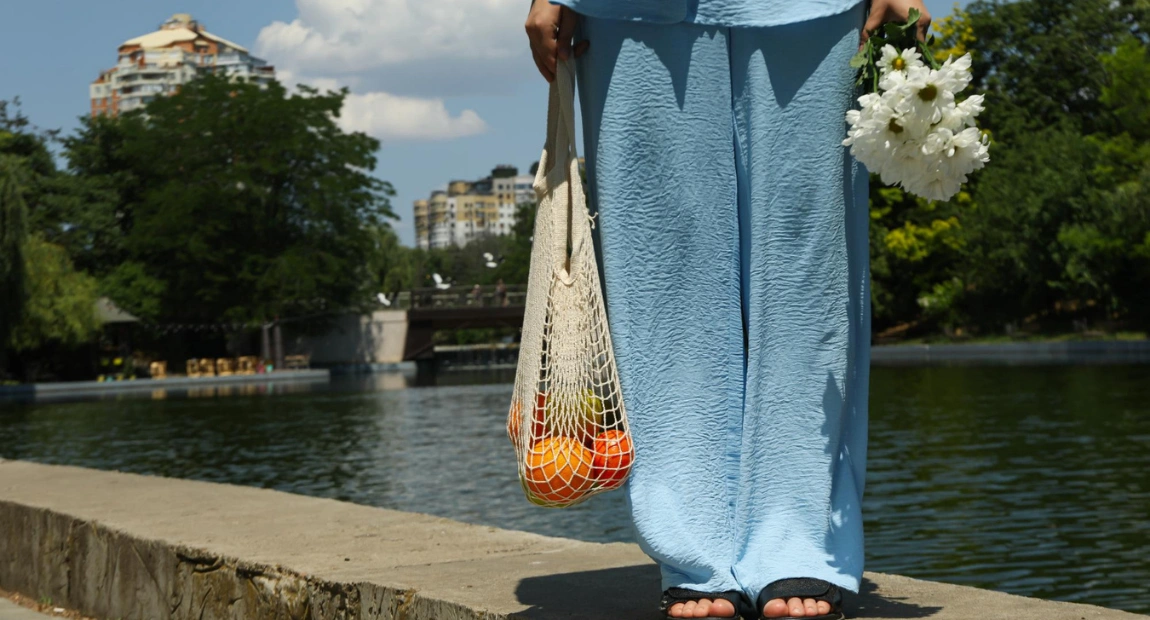
Seasonal changes should guide your choices. In winter, scarves, gloves, and structured boots become part of your accessory rotation. In summer, lighter fabrics, sunglasses, and straw hats may take center stage. This adaptation ensures that your style feels in touch with the season and remains comfortable while looking appropriate.
The Essential Dont’s of Accessorizing
1. Don’t Overload with Too Many Pieces
Wearing too many accessories at once can make an outfit look messy. Instead of piling on several rings, necklaces, or bracelets, focus on one or two statement pieces and keep the rest minimal. For example, if you are wearing bold earrings, avoid pairing them with a heavy necklace. Balance ensures that your accessories enhance rather than overwhelm your look.
2. Don’t Ignore Proportion and Scale
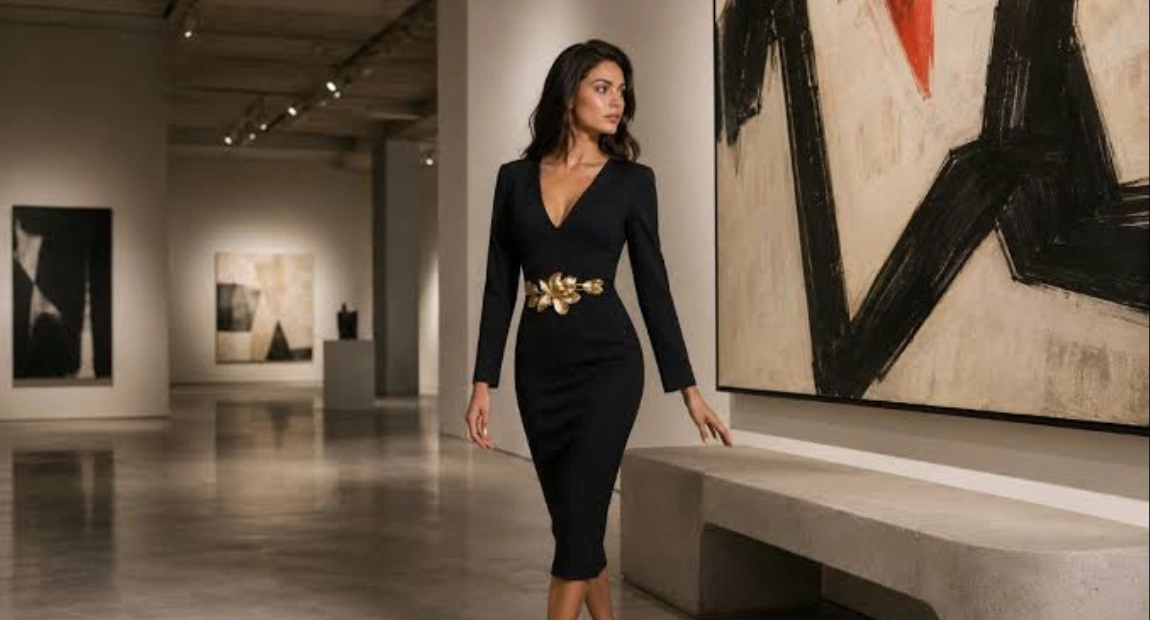
Size matters when it comes to accessorizing. A very large handbag may overpower a petite frame, while very thin jewelry may look lost on a broad build. The scale of accessories should complement both your body and your outfit. For example, wide belts work well with structured dresses or high-waisted trousers, while slim belts are better for delicate fabrics and softer looks. Proportion keeps the outfit visually balanced.
3. Don’t Neglect Color Coordination
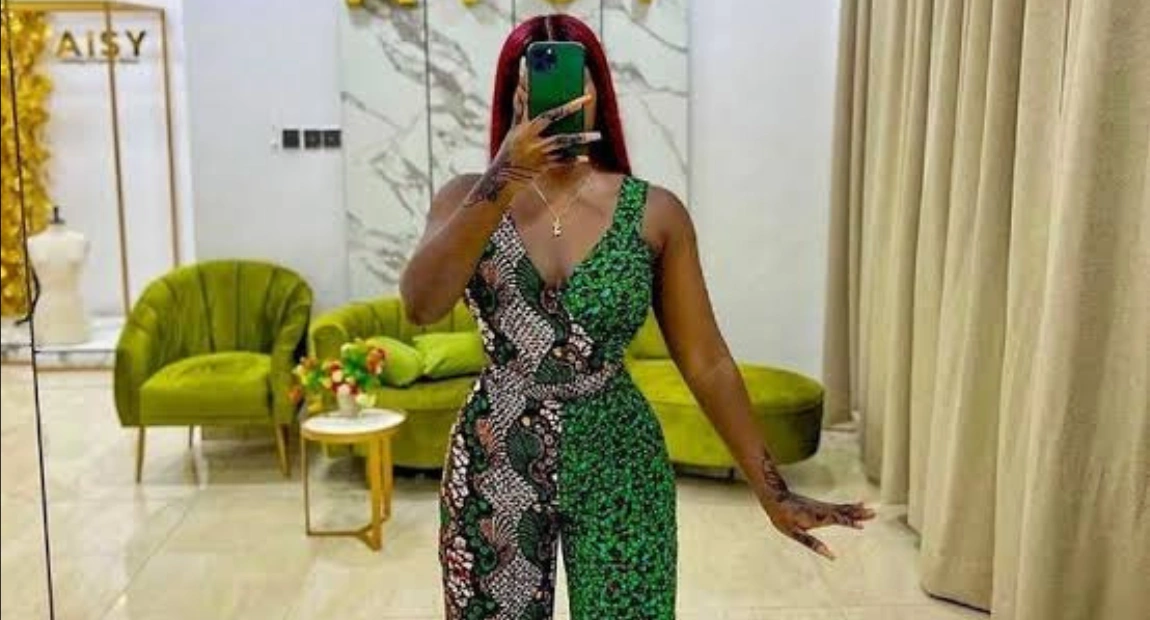
Accessories provide a smart way to introduce color into an outfit, but they must coordinate with your clothing. Bright or bold colors should be paired with neutral tones so they stand out without clashing. If your outfit already features strong patterns or shades, keep accessories subtle. For example, a simple black clutch works best with a colorful dress, while a brightly patterned scarf can elevate a plain coat.
4. Don’t Forget Practicality
Accessories should not only look good but also serve a purpose. Sunglasses protect your eyes, belts secure your trousers, and bags carry essentials. Choosing accessories that combine function with style ensures they are both useful and fashionable. A heavy or uncomfortable piece, no matter how stylish, is not practical if it limits your comfort or movement.
5. Don’t Use Accessories as an Afterthought
One common mistake is choosing accessories only after the outfit is complete. Accessories should be part of the styling process from the beginning. Thinking about the full look ensures your bag, jewelry, shoes, and belt all work together. Planning ahead prevents mismatched choices that distract from your clothing.
6. Don’t Be Afraid to Edit
Good accessorizing often means knowing when to remove something. A quick check before leaving the house can help you decide if one accessory too many is disrupting the look. Editing allows the strongest pieces to shine without competition.
Conclusion
Accessorizing is an art that combines balance, proportion, color, and personal taste. The essential do’s and don’ts outlined here provide a framework for making smart choices that enhance rather than overwhelm your outfits. By focusing on the occasion, matching materials, investing in timeless pieces, and using accessories to express personality, you can achieve a polished and stylish look every time. Remember that accessories are not just extras but key parts of how you present yourself. With the right approach, they transform clothing into a complete and confident expression of style.
Related Articles to Read on:
How to Wear a Waxed Canvas Jacket: A Stylish and Practical Guide
How to Stay Stylish on a Budget: Affordable Fashion Tips


Leave a Reply