
Attending the theatre is often a special occasion, and the right clothing can help you enjoy the experience while respecting the atmosphere of the venue. The dress code for theatre visits can vary depending on the type of performance, the location, and whether the event is in the afternoon or evening. While modern theatre audiences tend to dress more casually than in the past, choosing a smart and polished outfit is still the safest choice.
What is the Dress Code for Theatre?
Most theatres do not have strict clothing rules, but expectations differ between casual productions and formal performances. In major cities, evening shows especially opening nights or operas, often see guests in semi-formal or formal wear. Matinee performances are more relaxed, with smart-casual clothing being common.
Checking the theatre’s website or ticket information can help you understand any specific requirements. Some traditional venues encourage dressing up, while others focus only on audience comfort and respect for the occasion.
Outfit Ideas for Women

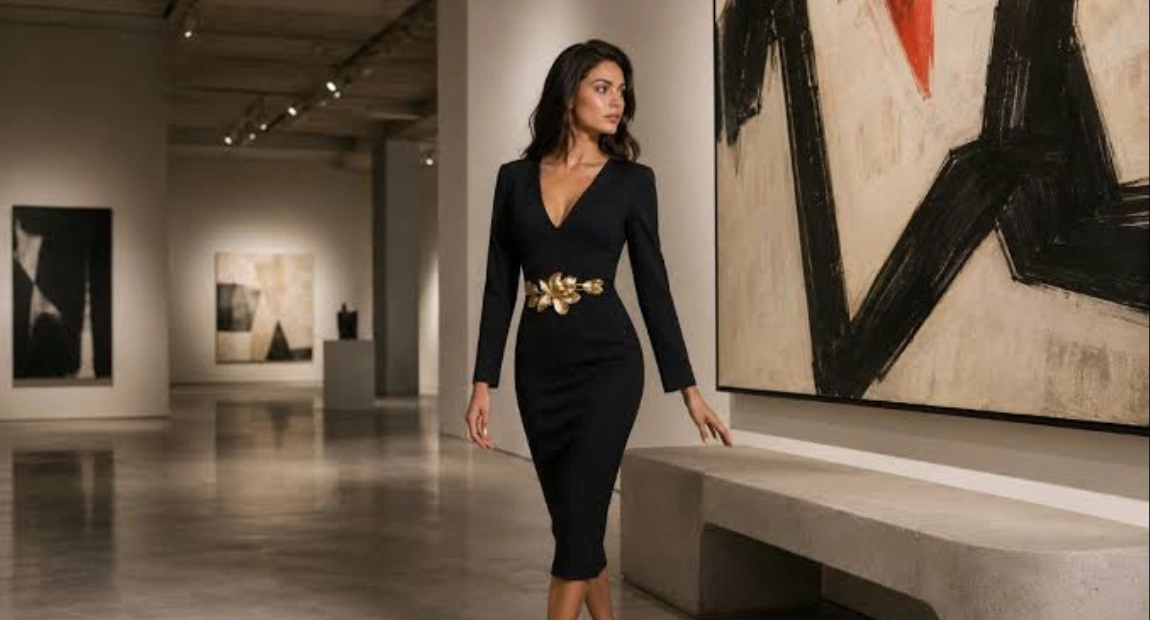
1. Dresses
A classic option for the theatre is a dress in a knee-length or midi style. Fabrics like silk, chiffon, or crepe work well for evening performances, while lighter cotton blends are suitable for daytime shows.
2. Skirt and Blouse
A tailored skirt paired with a neat blouse is a timeless theatre look. This style can be adjusted for both formal and casual performances.
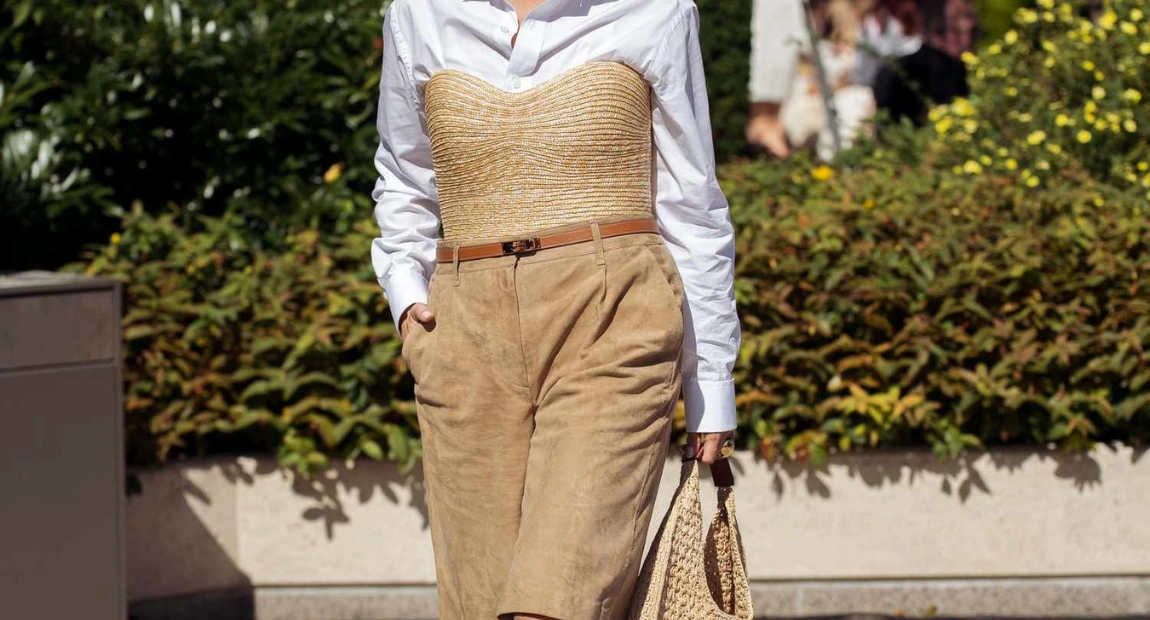
3. Trousers and Tops
Well-fitted trousers or palazzo pants paired with a smart top or tailored blouse can create a sophisticated yet comfortable outfit.
4. Outer Layers
For cooler weather, a fitted blazer, cardigan, or elegant coat is both practical and stylish. If attending a grand theatre, a tailored coat can enhance the overall look.
5. Footwear
Closed-toe shoes, low heels, or smart flats are ideal. Comfort is important as theatre visits often involve walking to and from the venue.
Outfit Ideas for Men

1. Smart-Casual Combinations
For most shows, a collared shirt paired with dress trousers is suitable. Adding a blazer can elevate the look.
2. Suits for Formal Events
For premieres, operas, or high-profile evening shows, a well-tailored suit in dark or neutral tones is ideal. Pair it with a crisp shirt and a tie.
3. Footwear
Polished leather shoes or loafers are the best choice. Avoid sneakers unless the venue is known for its very relaxed dress style.
4. Seasonal Additions
In colder months, men can wear a wool coat, scarf, or gloves to stay warm without compromising style.
Theatre Accessories
1. Bags
Women may carry a small clutch or crossbody bag. Men can bring a slim briefcase or leave bags at home to avoid crowding the seating area.
2. Jewlery
Subtle, non-distracting jewelry works best. Avoid anything too flashy that might reflect stage lights.
Scarves and Wraps
Light scarves or wraps can be useful if the theatre is air-conditioned.
Dressing for Different Theatre Types
- Broadway and West End Shows: Semi-formal outfits are common. Evening performances lean more towards formal wear.
- Community and Small Theatre Performances: Smart-casual clothing is suitable.
- Opera and Ballet: Often require formal or evening wear.
- Matinees: More relaxed but still neat; think smart-casual.
Conclusion
When deciding what to wear to the theatre, aim for an outfit that is neat, comfortable, and suited to the formality of the performance. Women can choose dresses, skirts, or smart trousers with elegant tops, while men can opt for collared shirts, blazers, or suits depending on the event. By dressing with care and considering the theatre’s atmosphere, you can enjoy the show while looking the part.
Related articles
What to Wear to Races | Guide to Race Day Fashion
A Woman’s Guide to Choosing Best Seasonally Clothes




Leave a Reply