
Dressing properly for each season is one of the ways which works out for staying comfortable and maintaining a good-looking appearance throughout the year. Seasonal dressing is not just about fashion, it is about wearing the right fabric, structure, and color for the weather. The climate has a direct effect on how clothing feels and performs on the body.
Knowing how to choose clothes for each season gives women the ability to adapt their wardrobes while staying real to their personal style. This guide explains how women can choose the best seasonal clothes in 2025 based on information given from our stylish and from other fashion credible sources.
How Does Seasonal Dressing Work?
Each season has unique climate conditions that affect clothing choices; spring and summer are usually warmer and call for breathable and light materials, autumn and winter bring cooler or colder air that requires insulation and layering. To dress correctly for any season where style matters, the choice of fabric, color, length, and fit must match the level of temperature and comfort needed. The aim should be wearing something that is appropriate for the weather without dressing too casually or uncomfortable items.
What Every Woman Can Wear Seasonally
1. Spring Fashion

Spring is a season of mild temperatures and changing conditions where the weather can shift quickly between sunny and rainy, warm and cool. This makes it necessary to select clothes that offer light coverage and flexibility. Cotton and linen fabrics are ideal because they are breathable and not heavy on the skin, dresses that fall around the knee, relaxed trousers, blouses with sleeves are ideal choices for daily wear, and trench coats and cardigans are good outerwear pieces when extra warmth is needed.
The best spring colors are soft and neutral including light pink, beige, pale blue, and other pastel tones with footwear being flat or low-heeled, and closed if the weather is uncertain, and accessories like a scarf or light hat may be used but must remain simple and clean.
2. Summer Fashion

Summer is the season of heat, sun exposure, and high humidity as the body always react strongly to these elements, which is why summer clothes must focus on breathability and movement. Loose-fitting clothes are better than tight ones, natural fabrics like linen, cotton, and light rayon allow air to circulate and help prevent discomfort, hence the best options are sleeveless tops, short-sleeved dresses, relaxed skirts, and wide-leg pants.
Colors in summer should match with the light; white, cream, sky blue, light green, and soft yellow are common. Dark colors should be avoided in direct sunlight with accessories like sunglasses or a sun hat serve functional and visual roles. Footwear must be open or ventilated to allow the feet to remain dry, sandals, slides, and flats with soft soles are the most suitable options.
3. Autumn Fashion

Autumn is basically a cooler weather and gradual temperature drops. The clothing for this season must adapt to keep the body warm without going full winter. Wool blends, thick cotton, leather, and corduroy are common fabrics in this season, outfits should focus on coverage with the option to add or remove layers, long-sleeve tops, high-waisted trousers, midi-length skirts, and blazers are ideal items for daily outfits.
Read also:
- Women’s Fashion in the 1980s: A Bold Decade of Style
- 7 Best Stylish Trousers Every Lady Should Own
- How Can Older Women Dress Stylishly in Jeans?
Autumn color tones come from nature, and deep brown, olive green, burnt orange, mustard yellow, and wine red are some of the most used colors. These pair well with neutral base items like black or grey, shoes must be styled and weather resistant. Loafers, ankle boots, and covered block heels help protect the feet without being too heavy.
4. Winter Fashion

Winter is the coldest season and needs the most protection. Outfits should be built in layers that trap heat and shield the skin from cold air, the inner layers should include thermal shirts or turtlenecks while the outer layers must include wool coats, padded jackets, or well styled long coats. Trousers should be thick or lined with an inner fabric for warmth with long skirts and dresses worn if combined with tights or thermal leggings.
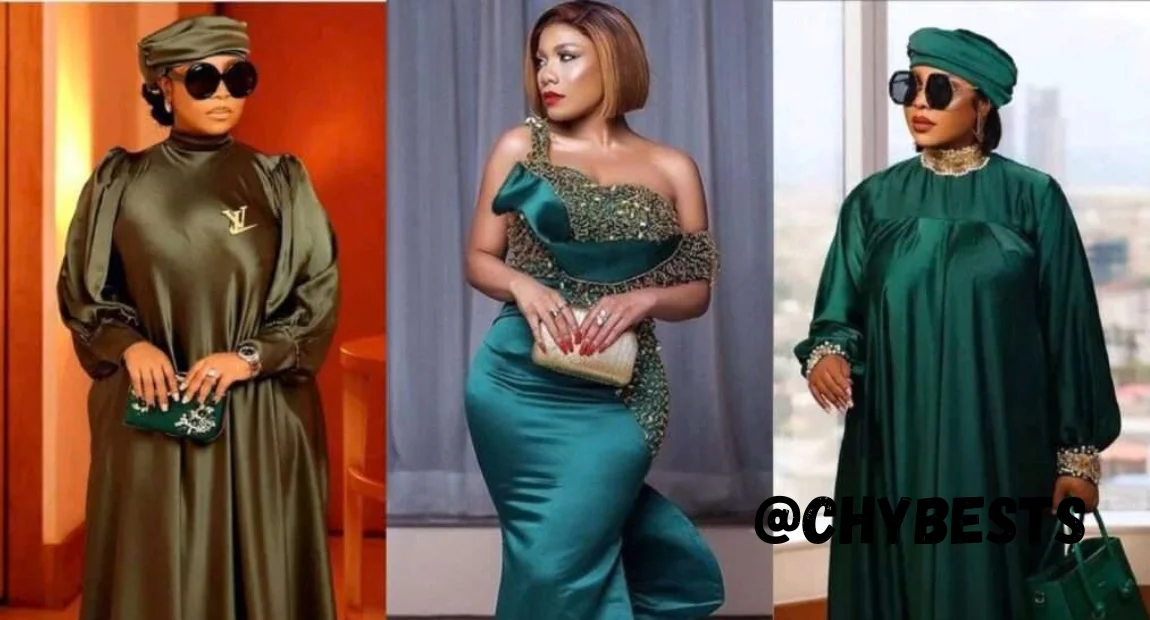
Winter colors are dark like navy blue, charcoal grey, deep green, plum, and black as they hold heat better and suit the dimmer light conditions of the season. Accessories like gloves, scarves, and knit caps are not only protective but also balance to the overall outfit while footwear must be closed like leather boots and water-resistant shoes being preferred for wet or snowy conditions.
How to Create a Seasonal Wardrobe
The best seasonal wardrobe is not made from many clothes but from a small number of reliable, interchangeable pieces. Each item should serve a purpose in the specific climate with focus on basic tops, trousers, and outerwear that can be layered or worn alone depending on the season. Choose clothes that have bold colors and clean shapes, avoid large prints, busy patterns, or overly styled garments that only fit one time of the year.
Make use of seasonal storage, keep off-season clothing packed and rotate your closet four times a year to create space and allow you to focus on current weather needs. When buying new items, look for quality over trend as a few good pieces of winter wool, summer linen, or spring cotton will serve better than having a large selection of fast fashion items that do not last.
Conclusion
Knowing how to dress for each season helps women be comfortable and stylish throughout the year. Every season has specific fabric needs, color rules, and clothing lengths that keep the body in balance with the environment; spring calls for light layers and pastels, summer needs breathable clothes and bright tones, autumn outfits rely on deep colors and medium coverage, winter requires full protection through layered and insulated clothing.


Leave a Reply