
A photoshoot is not only about the skill of the photographer but also about the way clothing works with light, setting, and body shape. What you wear can influence the mood of the picture and the impression it creates. Choosing the right outfit is important whether it is for a professional portfolio, a family portrait, or a personal shoot. The best clothing for a photoshoot depends on color, fit, fabric, and style. This guide explains how to plan outfits that look good on camera and highlight your best features.
How to Right Colors for Photoshoot
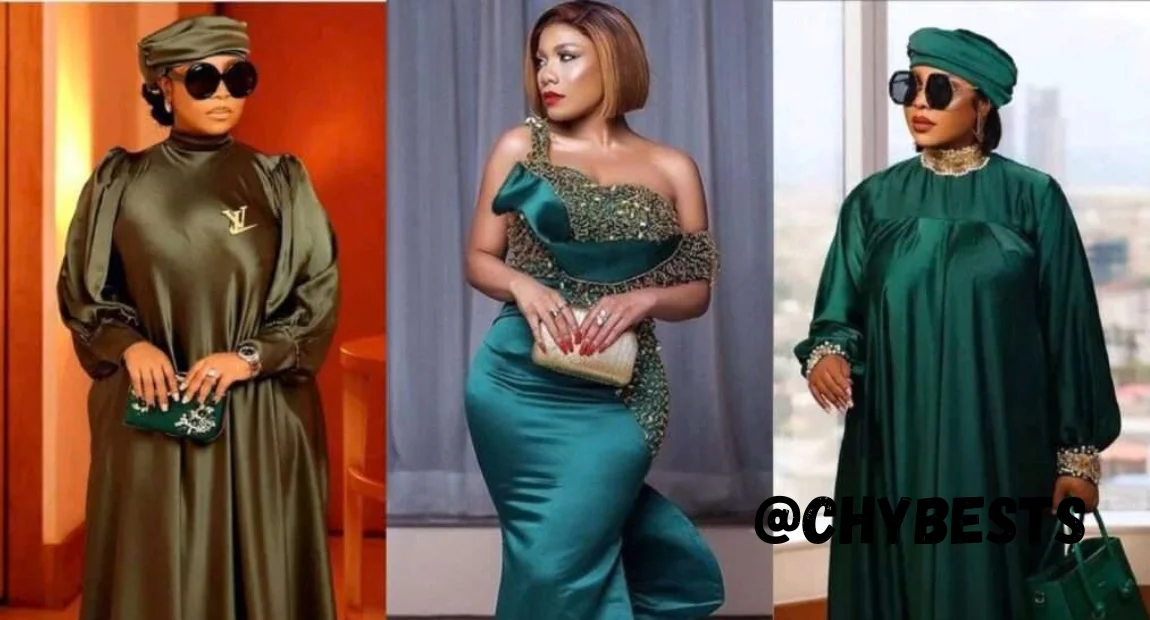
Colour plays a strong role in photography. Bright or neon shades can reflect light in an unflattering way, while very dark colours can make details harder to see. Neutral shades like beige, cream, grey, or navy often work well because they do not distract from the subject. Earth tones such as olive, brown, or soft rust can add warmth and depth. Pastels are also flattering for natural light shoots. Solid colours are generally better than bold patterns as they keep the focus on the person rather than the clothing.
The Best Patterns and Prints
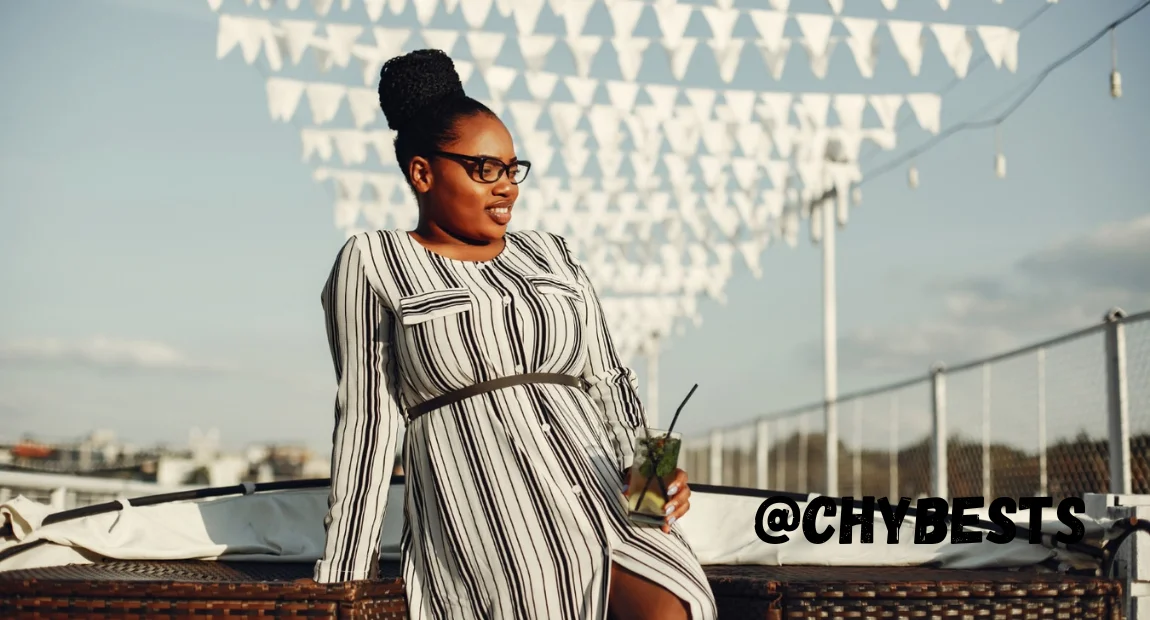
While plain colours are often the safest choice, some prints can add interest if used carefully. Small checks, subtle stripes, or soft florals can work if they are not too busy. Large prints or graphics can overpower the photo and may become outdated quickly. It is important to avoid clothing with strong logos or writing, as these can take away attention and make the image less timeless.
Choosing the Right Fabrics
Fabric texture affects how clothing looks on camera. Shiny fabrics can create glare, while matte fabrics absorb light in a flattering way. Cotton, linen, silk blends, and soft knits tend to photograph well. For outdoor shoots, breathable fabrics are more comfortable, while heavier materials like wool or velvet work better in cooler settings. Flowing fabrics can add movement, especially in portraits taken outdoors with natural wind.
Fit and Comfort
Clothing should fit well without being too tight or too loose. Outfits that are too small can look restrictive, while very loose clothing may appear shapeless on camera. A tailored fit helps create clean lines and gives a polished look. Comfort is equally important because stiff clothing or shoes that hurt will show in your posture and expressions. Try on the full outfit before the shoot to check both fit and comfort.
Outfits for Different Types of Photoshoots
The style of clothing depends on the type of photoshoot. For professional headshots, business wear such as a well-fitted suit or a smart blouse works best. Casual lifestyle shoots may call for jeans with a plain shirt or a relaxed dress. Fashion shoots allow for more creativity with bold styles, layers, or statement pieces. Family or group photos look more balanced when outfits follow a similar colour scheme without being identical.
Seasonal Choices
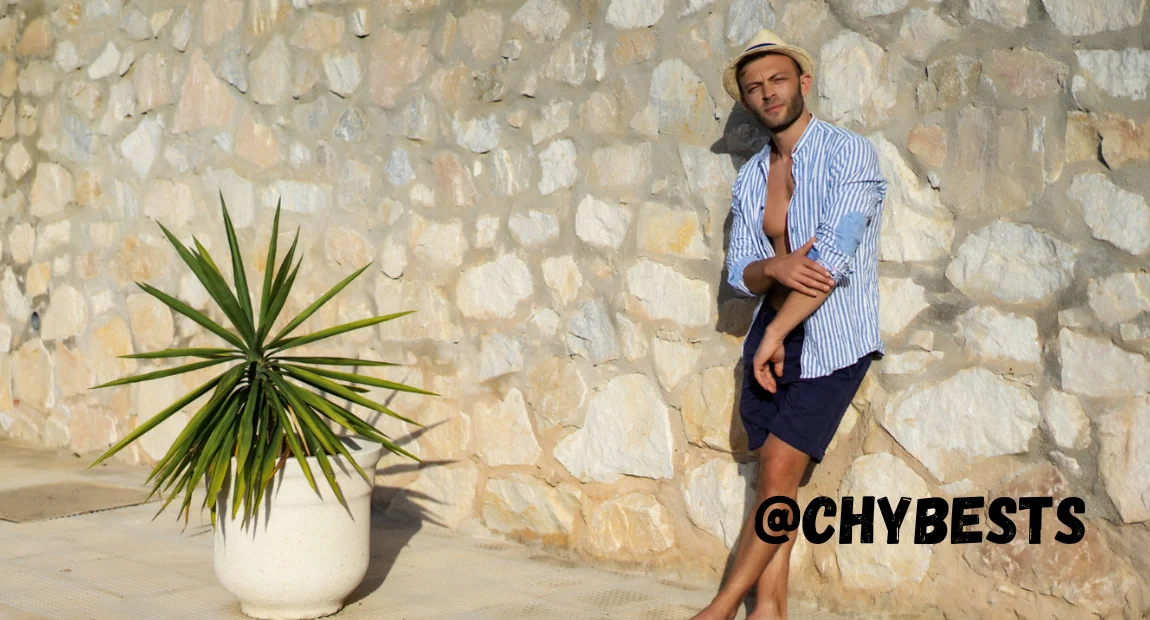
The season often guides what to wear. In spring and summer, light fabrics, soft shades, and breathable materials are most practical. In autumn, warmer tones like burgundy, forest green, and mustard look striking outdoors. Winter shoots benefit from layered outfits, coats, scarves, and textured fabrics that add depth. Dressing for the season also ensures comfort, which helps you stay relaxed during the session.
Accessories and Details
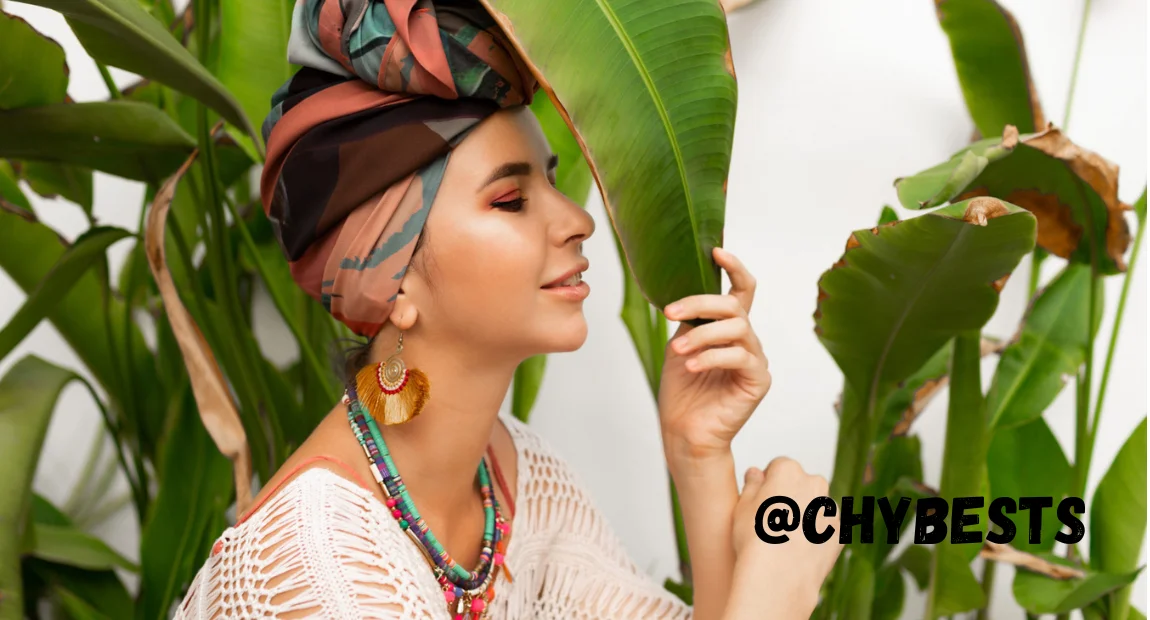
Accessories can improve an outfit but should not overpower it. Simple jewellery, belts, or scarves can add interest and balance. Hats may work in outdoor or styled shoots, but they should not hide the face in portrait photography. Shoes should be clean, polished, and suited to the outfit, as they often appear in full-length shots. Every small detail matters because high-quality cameras capture them clearly.
Coordination in Group Photos
When a shoot involves more than one person, coordination is key. Outfits should complement each other in tone and style without being identical. A shared colour palette helps create harmony, while small differences in texture and accessories keep the group from looking too uniform. Avoid clashing patterns, as they compete for attention and reduce the focus on faces.
Preparing in Advance
Preparation is essential before the shoot. Outfits should be ironed or steamed to avoid wrinkles that stand out on camera. Carrying an extra option can also help in case the first choice does not work well with the background or lighting. Practising poses in front of a mirror with the chosen outfit can also help you feel more confident during the session.
Conclusion
The best clothing for a photoshoot is simple, well-fitted, and chosen with care. Neutral colors, balanced textures, and thoughtful accessories allow the focus to remain on the person rather than the outfit. Considering the type of shoot, season, and setting helps guide the right choice. With the right preparation, clothing not only enhances the photograph but also allows your personality to show through. When planned well, what you wear will work with the camera to create timeless and confident images.
Related Articles to Read on:
Best Clothes to Wear for Headshots
How Can I Dress for an Apple-Shaped Body in the UK?
Leave a Reply