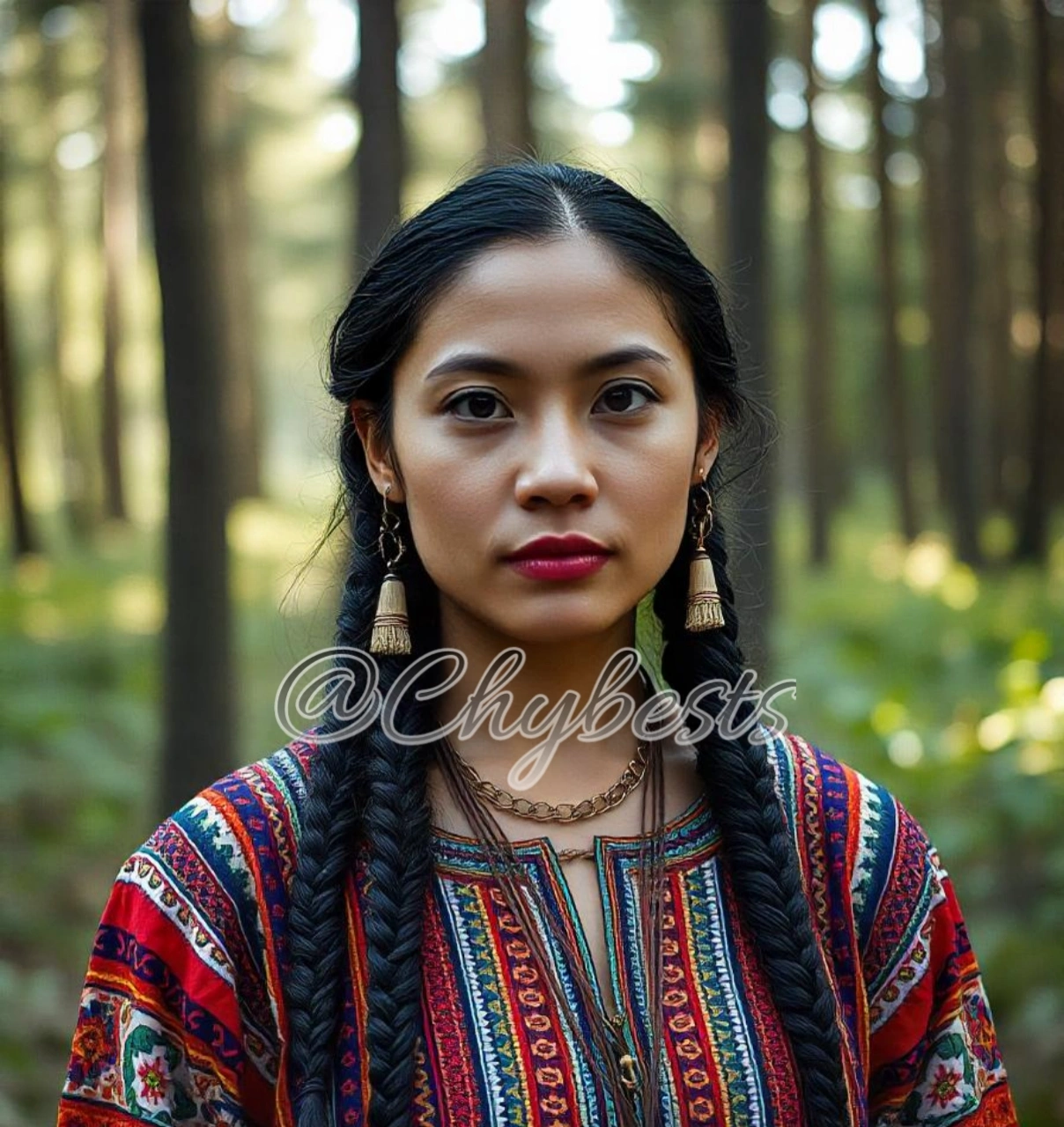
A headshot is one of the most important tools for personal branding, career growth, and professional presentation. The clothes you choose for a headshot play a direct role in how you are seen by employers, clients, and audiences. Clothing affects how the camera captures you and how your personality is shown through the image.
Picking the right outfit helps you look confident, approachable, and polished, and this guide explains in detail the best clothes to wear for headshots, what colors to choose, what patterns to avoid, and how to match clothing style with your career or purpose.
Why Does Clothing Matters in Headshots?
A headshot is a close image that focuses on your face and upper body. Because the frame is narrow, every detail stands out. Clothes that fit poorly, colours that clash, or loud prints can distract the viewer and take attention away from your expression. On the other hand, clean, well-fitted clothing with the right colour tones brings balance, frames your face, and allows your features to remain the focus.
Best Colors to Wear for Headshots
Solid colours work best for headshots. Neutral tones such as navy, grey, black, beige, and white create a clean and professional look. These shades also photograph well under studio lights. Soft blues and earth tones give a calm and approachable style, while deeper colours such as burgundy or forest green show confidence without overpowering your features.
Bright neon colours should be avoided because they reflect on the skin and can look harsh in photographs. Pastel shades may work if they suit your skin tone and background but should not be too pale as they can blend into lighter settings.
Which to Choose? Light or Dark Clothing
The choice between light and dark clothing depends on your skin tone, hair colour, and the background used in the shoot. Darker clothes often create a slimming effect and make the face stand out more clearly. Light shades, on the other hand, can brighten the image and give a softer appearance. When unsure, medium shades such as navy or charcoal provide a safe middle ground that works across most settings.
The Importance of Fit
The fit of your clothes is as important as the colour. For men, shirts, blazers, or simple crew-neck jumpers should be fitted but not tight. Collars should sit neatly without gaps or folds. For women, tailored blouses, tops with structured necklines, or simple dresses with clean lines work well. Avoid oversized clothing because it creates bulk on camera. At the same time, avoid overly tight garments that pull at seams and look uncomfortable. A well-fitted outfit always appears more polished in headshots.
Patterns and Prints
Simple is better when it comes to patterns. Large prints, checks, and bold stripes can look distracting and may not photograph well. Small, subtle patterns such as fine pinstripes or small dots can work if they are not too busy. However, the safest option is usually plain solid colours. Prints tend to date faster than classic tones and may make the photo look less timeless.
Necklines and Layers
Necklines shape how the face and shoulders are framed in the photo. For men, collared shirts, button-downs, or round-neck sweaters under blazers are safe choices. For women, v-necks, scoop necks, and simple crew necks frame the face naturally without drawing too much attention. High neck tops or turtlenecks can sometimes shorten the neck on camera, so they should be chosen carefully. Adding layers such as blazers or cardigans gives depth and structure, which often works well in professional headshots.
Jewelry and Accessories
Accessories should always be kept minimal. Large earrings, chunky necklaces, or bold watches can distract from the face. For men, simple ties, slim watches, or no accessories at all are best. For women, small stud earrings, thin chains, or subtle rings add polish without overpowering the image. The focus must always remain on the face, not the accessories.
Dressing for Your Industry
The clothes you wear for a headshot should also reflect the industry or role you are aiming for. A lawyer, banker, or executive benefits from formal attire such as tailored suits and crisp shirts. Creative professionals such as actors, designers, or writers may use slightly more relaxed clothing that still looks neat but shows personality. For corporate profiles, darker shades with sharp tailoring give authority. For artistic fields, softer tones or casual chic outfits can add relatability. Dressing in a way that suits your career ensures the headshot sends the right message.
Grooming and Final Touches
Even with the best clothes, grooming completes the look. Make sure clothes are ironed, lint-free, and without visible wrinkles. Hair should be neat and styled in a way that feels natural to you. Avoid shiny fabrics that reflect light. Matte materials generally photograph better. Shoes are not always shown in headshots, but if they may appear, keep them polished and simple.
How to Prepare Outfits for Headshots
Before the shoot, lay out two or three options to test different colours and fits. Try them on and take test photos in natural light. This shows how the colour works against your skin and how the neckline frames your face. Bring a backup outfit on the day in case of unexpected stains or changes in background. Preparation ensures you feel comfortable and confident, which always shows in the final image.
Conclusion
The best clothes for headshots are simple, well-fitted, and chosen to highlight your face rather than overpower it. Solid colors, neat tailoring, and minimal accessories create a polished result that works across industries. Matching your clothing choice to your professional goals makes the headshot more effective. With the right balance of color, fit, and style, your headshot will present you at your very best and remain timeless for years to come.
Related Articles to Read on:
How Can I Dress for an Apple-Shaped Body in the UK?
What Are the Must-Have Summer Accessories in the UK?
Leave a Reply