
Managing a waist belt properly improves both comfort and appearance. Whether it is part of a casual, formal, or professional outfit, how you handle your waist belt can affect your overall look and the lifespan of the accessory. Many people wear belts without understanding how to care for them, how to pair them with outfits, or how to maintain their structure over time. Knowing the best ways to manage your waist belt helps you achieve a polished appearance, prevents wear and tear, and ensures that the belt always complements your clothing.
How to Choose the Right Belt
The first step in managing your waist belt is selecting the right one for your wardrobe. A belt should fit the waist perfectly—not too tight and not too loose. When buying, choose one that fastens comfortably at the middle hole to allow adjustments for future weight changes. The material also matters. Leather belts are durable and ideal for both casual and formal wear. Fabric or elastic belts work well for casual or fashion-focused outfits. Always check the belt buckle quality; a sturdy buckle lasts longer and keeps the belt secure throughout the day.
Proper Fit and Positioning
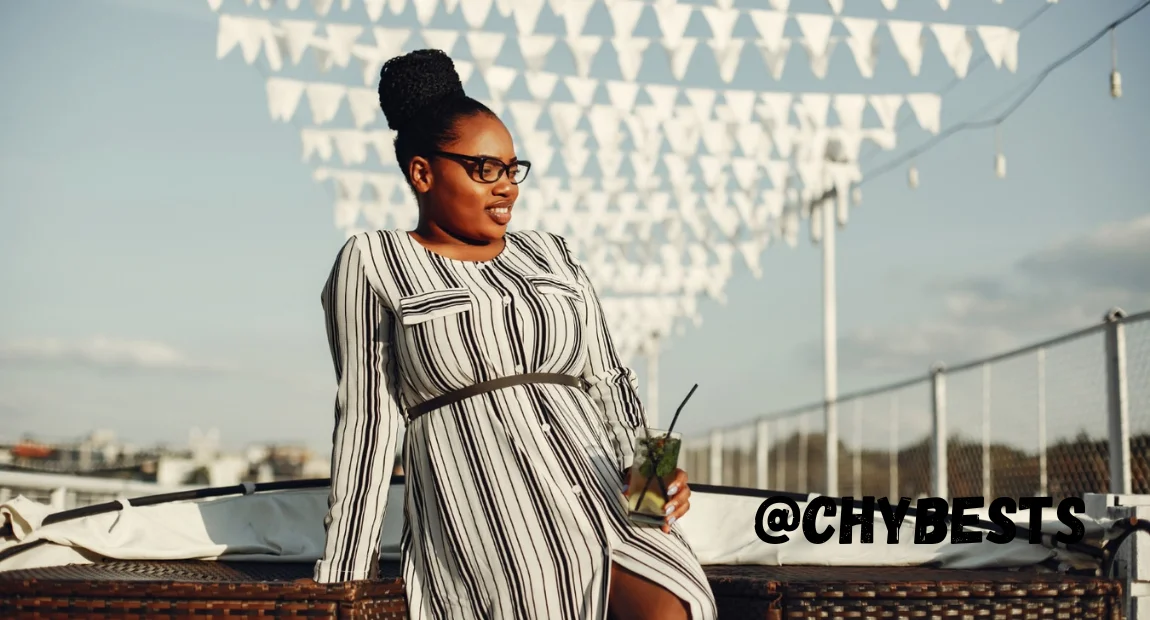
The way a belt sits on the waist can change the appearance of an outfit. A well-positioned belt should align naturally with the waistband of trousers or skirts. For high-waist outfits, ensure the belt sits flat without folding or bulging. When worn with dresses or oversized shirts, the belt should highlight the waistline without squeezing it. The end of the belt should extend only a few inches beyond the buckle. Longer ends can be tucked neatly into loops or wrapped around if designed for that style. Keeping the belt flat and smooth avoids uneven lines under clothes.
Storing Belts Correctly
How you store belts affects their shape and condition. Hanging belts on a dedicated belt rack or hook helps them retain form. If you must roll them, do so gently without tightening too much, as this can cause cracks or bends, especially in leather. Avoid keeping belts in direct sunlight or humid areas. Heat and moisture can damage leather and metal buckles. Separate belts by type—formal, casual, and elastic—so they are easier to find and maintain.
Cleaning and Conditioning
Regular cleaning keeps belts looking new and lasting longer. For leather belts, wipe with a soft damp cloth and let them dry naturally. Avoid using harsh chemicals that strip the natural oils from the leather. Conditioning the belt every few months with a suitable leather conditioner prevents it from drying or cracking. Fabric and synthetic belts can be cleaned with mild soap and water, but always ensure they dry completely before storage. Clean the buckle area carefully, as dirt buildup can affect the clasp and metal finish.
Matching Belts with Outfits
A belt can either enhance or disrupt your overall appearance. The color and style of your belt should coordinate with your shoes and overall outfit. For formal looks, a simple leather belt in black or brown works best. For casual wear, you can experiment with different textures and colors, as long as they match your outfit’s tone. When wearing belts over dresses or sweaters, choose a width that complements your frame. Wide belts define the waist better on taller figures, while slimmer belts suit petite shapes. Balance the belt with other accessories to maintain harmony in your outfit.
Adjusting Belt Length
Sometimes belts need adjustment to achieve a proper fit. If the belt is too long, avoid cutting it unless it is made for customization. Take it to a tailor or shoe repair shop that can trim it neatly while keeping the original buckle intact. For belts with multiple holes, ensure spacing between the holes is even to avoid tearing. When adjusting fabric or elastic belts, secure them with loops or fasteners that prevent slippage. Keeping the belt in the right position throughout the day maintains a neat look and prevents unnecessary stretching.
Preventing Wear and Tear
To extend the lifespan of a belt, handle it carefully during use. Avoid pulling it forcefully when fastening, as this weakens both the holes and buckle area. Rotate between different belts instead of wearing one daily. This allows each belt to rest and retain its original shape. Keep belts away from water, perfume, and oil to prevent stains and material damage. For leather belts, occasional polishing helps restore shine and keeps the material flexible. When traveling, store belts in cloth bags or roll them loosely to prevent creases.
Styling Tips for Waist Belts
Waist belts are not only functional but also serve as stylish accessories. Use them to define your waistline in loose outfits or to add structure to long dresses and coats. Match your belt’s texture and color to your outfit’s tone for balance. For a layered look, pair a slim belt over a cardigan or blazer. When using bold belts, keep the rest of your outfit simple so the belt becomes the statement piece. Choose neutral belts for a versatile wardrobe foundation that can be styled with various outfits.
Replacing and Recycling Old Belts
Even well-maintained belts have a lifespan. When cracks, frays, or loose stitching appear, it may be time for replacement. Instead of discarding them, consider recycling the material. Leather can be reused for small crafts, while buckles can serve as replacements for other belts. Keeping your collection updated ensures your accessories remain fresh and in good condition for everyday use.
Conclusion
Managing a waist belt properly involves more than wearing it, it requires care, organization, and attention to detail. Choose quality materials, maintain regular cleaning, store them correctly, and match them smartly with outfits. When well-managed, a waist belt enhances your look, maintains structure in clothing, and lasts for years. With consistent care and the right approach, this simple accessory becomes one of the most reliable parts of a refined wardrobe.

Leave a Reply