
Dressing a curvy body type in tropical weather requires a thoughtful balance between comfort, structure, and breathability. High humidity, strong sunlight, and warm temperatures can make layering difficult, but the right styling techniques allow you to stay cool while highlighting your natural shape. The key is not about hiding curves, but about choosing flattering outfits for curvy body types that enhance proportion and provide airflow.
When selecting curvy fashion for hot climates, fabric choice, silhouette, color, and tailoring all matter. Tropical style should feel effortless, not restrictive. With smart wardrobe decisions, you can look polished and confident even in peak heat.
Fashion Tips For Curvy Body Types in Tropical Weather
1. Choose Breathable, Flowing Fabrics That Still Offer Structure
Fabric selection is the foundation of tropical dressing. Lightweight materials such as linen, cotton, rayon, and chiffon allow air circulation and prevent overheating. However, completely shapeless garments can overwhelm curves. The goal is to choose breathable fabrics that still offer subtle structure.
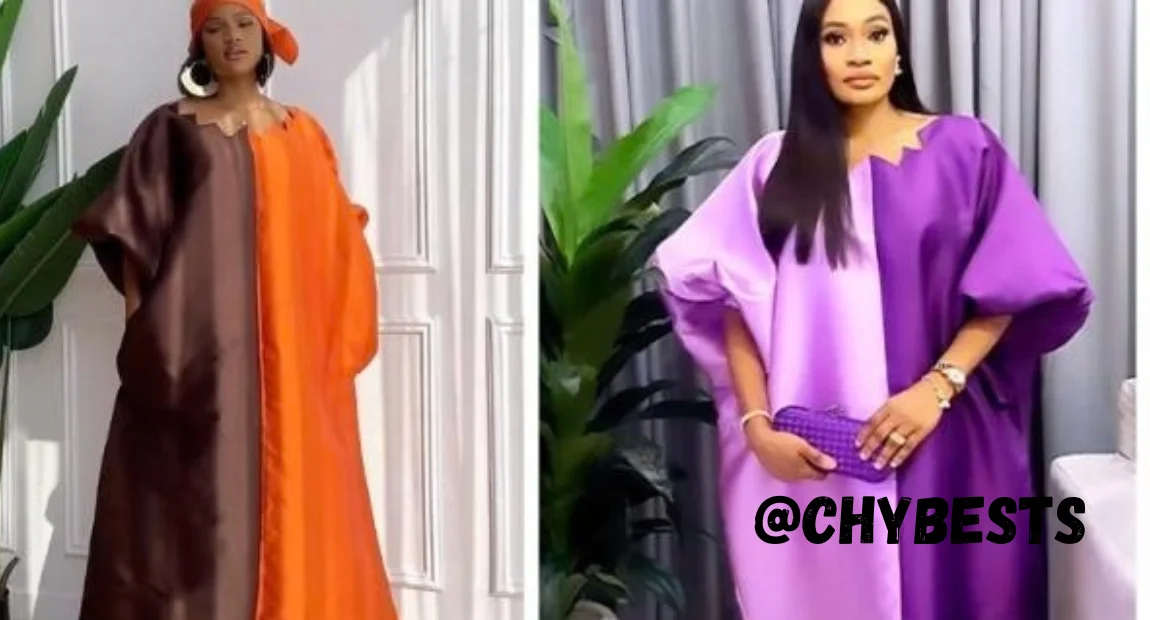
Wrap dresses in linen or cotton are ideal because they define the waist while remaining comfortable. Flowy maxi dresses made from lightweight materials create movement without clinging to the body. Avoid heavy synthetic fabrics that trap heat and emphasize discomfort in humid conditions.
Breathable summer outfits for curvy women should skim the body rather than squeeze it.
2. Define the Waist Without Over-Tightening
One of the most effective fashion tips for curvy body types is waist definition. Tropical outfits can sometimes look boxy due to lightweight fabrics, so adding shape is essential. High-waisted skirts, belted dresses, wrap tops, and peplum blouses highlight natural curves without excessive tightness.
Instead of wearing overly fitted clothing that restricts airflow, choose garments that gently contour the waist and flow outward. This creates balance and comfort simultaneously.
High-rise shorts and trousers also elongate the legs while providing support around the midsection, making them excellent for warm-weather styling.
3. Embrace Strategic Necklines and Sleeve Styles
Necklines significantly influence proportion. V-necks, scoop necks, and square necklines elongate the upper body and create visual balance. Off-shoulder styles and subtle sweetheart cuts can highlight the collarbone while maintaining airflow.
For sleeves, flutter sleeves, cap sleeves, or lightweight three-quarter sleeves provide coverage without overheating. In tropical climates, sleeveless styles are practical, but if you prefer arm coverage, choose loose, breathable cuts rather than tight sleeves.
The goal is to create vertical lines that lengthen and refine the silhouette while remaining cool.
4. Select Colors and Prints That Complement Tropical Settings
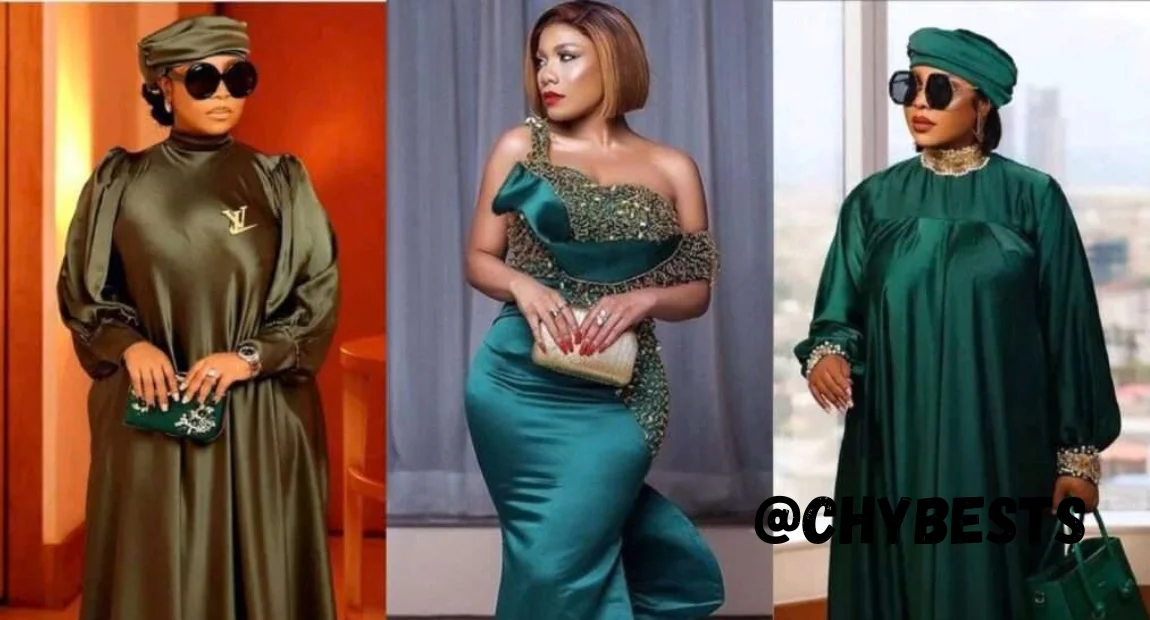
Tropical environments welcome vibrant colors and lively prints. Bold florals, leafy patterns, coral, turquoise, mustard, and emerald reflect the energy of warm climates. When styled correctly, prints can enhance curves beautifully.
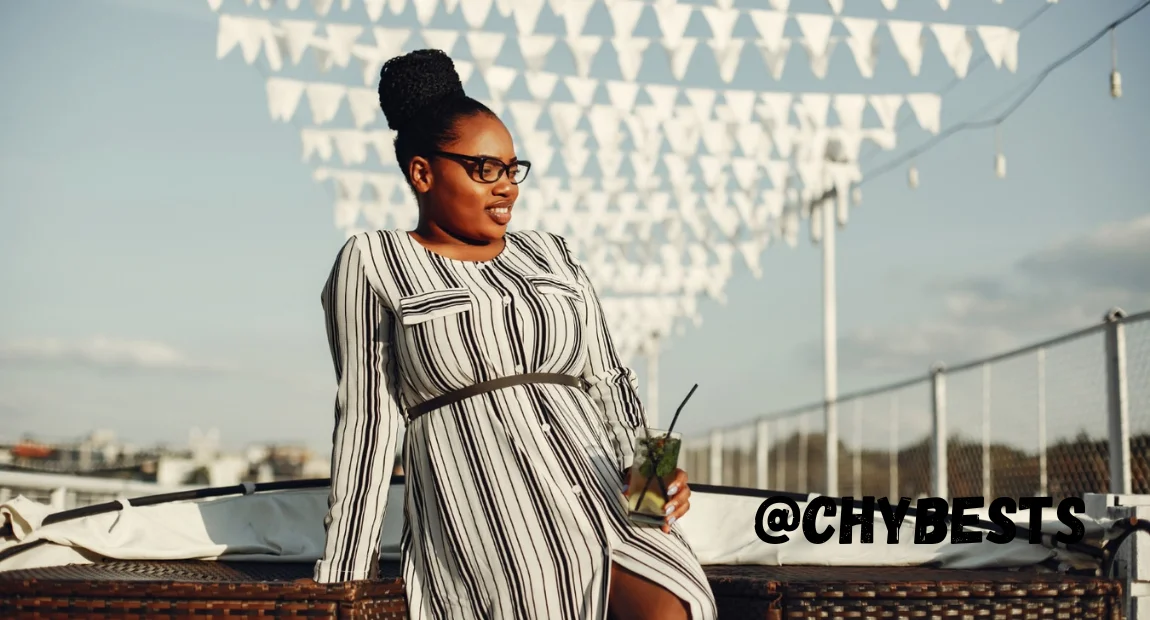
Vertical stripes and elongated patterns create a lengthening effect. Monochrome outfits—wearing one color from top to bottom—also streamline the body visually.
If choosing bold prints, ensure the fabric drapes well. Stiff materials can add unnecessary bulk. Soft, flowing prints maintain shape while celebrating tropical vibrancy.
5. Choose Smart Bottoms for Comfort and Shape
Wide-leg trousers made from breathable fabrics are ideal for tropical climates. They allow airflow while maintaining elegance. A-line skirts and midi skirts also provide structure without restricting movement.
Palazzo pants in lightweight materials are especially popular for curvy fashion in hot weather. They balance proportions and pair well with fitted or semi-fitted tops.
Avoid overly clingy fabrics for bottoms, especially in humid environments. Structured yet breathable options are more flattering and comfortable.
6. Layer Lightly and Strategically
Although tropical weather discourages heavy layering, light outer layers can enhance outfits. Sheer kimonos, lightweight dusters, or breathable blazers add dimension while maintaining airflow.
These pieces are particularly useful for transitioning between outdoor heat and air-conditioned indoor spaces. Choose fabrics that are thin and flowy rather than thick and structured.
Strategic layering adds polish without compromising comfort.
7. Prioritize Proper Fit Over Size Labels
One of the most important fashion tips for curvy body types in tropical weather is to focus on fit rather than numerical size. Every brand fits differently. Clothing that skims the body comfortably and allows movement will always look better than garments that are too tight or overly loose.
Professional tailoring can make a significant difference. Adjusting waistlines, hems, and sleeve lengths ensures that lightweight fabrics fall correctly and flatter your proportions.
Confidence plays a major role in style. When your clothing fits properly and feels breathable, it shows in your posture and overall presence.
Conclusion
Dressing a curvy body type in tropical weather is about celebrating shape while prioritizing comfort. Breathable fabrics, waist definition, flattering necklines, balanced prints, and well-fitted silhouettes all contribute to stylish, heat-friendly outfits.
Flattering outfits for curvy body types do not require heavy layering or restrictive clothing. Instead, they rely on smart fabric choices, strategic cuts, and thoughtful color selection. When done correctly, curvy fashion in hot climates becomes effortless, vibrant, and empowering.
With the right approach, you can stay cool, confident, and stylish no matter how high the temperature rises.
Related Articles to Read on:
Best Colors to Wear for Photoshoots in Jamaica
Guide to Fashion Accessories That Elevate Simple Outfits


Leave a Reply