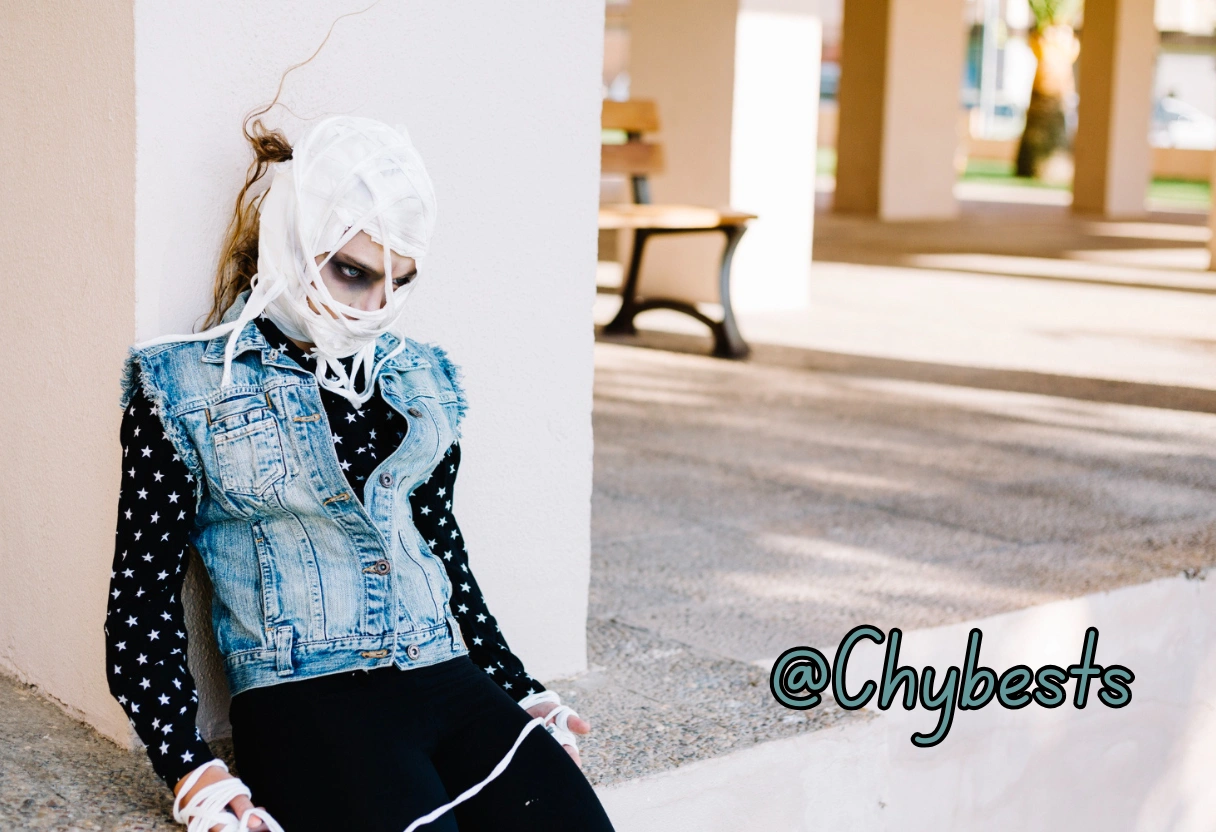
Y2K fashion, short for “Year 2000 fashion,” refers to the style trends from the late 1990s and early 2000s. Think shiny fabrics, crop tops, baggy pants, tiny sunglasses, butterfly clips, and low-rise jeans. At first, this trend came back as a light throwback of a mix of fun and nostalgia. But now, it has grown into something much bigger, spreading across social media, fashion shows, and streetwear globally.
What started as a playful revival has become a full-blown takeover of today’s style. Every few months, we see a deeper push into older looks from that era. But many are now asking: Has Y2K fashion gone too far? Are we repeating the past too blindly, ignoring modern style evolution and practicality?
The Core of Y2K Fashion
Y2K fashion was bold, flashy, and carefree. It was shaped by early internet culture, pop stars, and youth rebellion. Clothes were loud in color and cut. Accessories were heavy, often shiny or plastic. Pants sat below the waist, and tops barely covered the chest.
Back then, this was new and exciting. Today, the comeback brings the same pieces, but in larger numbers and on a bigger scale. From TikTok trends to fast fashion brands, everyone is offering some form of Y2K style. For younger wearers, it feels fresh. But for others, it raises questions about whether fashion is growing or just cycling back in excess.
From Fun Revival to Extreme Copying
Trends usually return with updates. They take the best parts of the past and mix them with the present. But Y2K fashion seems stuck in full repetition. Instead of modern twists, many outfits are direct copies and sometimes even more extreme than before.
Waistlines have dropped lower than ever. Tops have shrunk into near-bras. Bright colored pants are paired with heavy glitter and loud logos, all worn together. Some looks seem less like inspired styling and more like costume-level dressing. This kind of overload often ignores body comfort, daily life needs, or seasonal dressing.
Fashion is meant to evolve. But when a trend pushes itself past its limits, it risks turning into a joke or a gimmick. For Y2K, this fine line is already being crossed in many fashion circles.
The Influence of Social Media on Y2K
Social media platforms like TikTok and Instagram helped push Y2K fashion into the spotlight. Influencers often post daily outfit clips featuring micro tops, baby tees, denim skirts, and rhinestone-covered belts. These platforms reward bold visuals, and Y2K’s playful look fits perfectly.
But this fast exposure also leads to faster consumption. Many users buy large amounts of clothes just to fit in with the trend. Fast fashion brands respond by creating cheaper, low-quality versions of these styles in large volumes. The result is mass-produced, short-lived fashion that damages the environment and leaves people chasing endless new pieces every few weeks.
Also, many influencers are too young to remember the original era. What was once a reflection of cultural change is now often treated like a costume with no context. This disconnect removes meaning and adds to the feeling that Y2K fashion is being taken too far.
Body Image Concerns
One of the most serious problems with the return of Y2K fashion is how it affects body image. Many of the original trends like ultra low-rise jeans and crop tops only catered to certain body types. In the early 2000s, the fashion industry pushed a thin ideal, and these clothes were made to fit that look.
Now, the return of these styles is again creating pressure on people to change their bodies to match the clothes. Social media filters and edited pictures only make this worse. People compare themselves to unrealistic images and feel the need to wear styles that may not suit their body type or comfort level.
Instead of celebrating personal style or promoting healthy self-image, extreme Y2K trends often leave people feeling left out. Fashion should be about choice and creativity, not pressure or shame.
Lack of Originality and Fresh Ideas
Another concern is the lack of fresh thinking. Y2K fashion dominates so many runways and stores that it leaves little room for new ideas. Instead of pushing fashion forward, many designers and brands are stuck in the past, recycling what has already been done.
This limits innovation. Fashion becomes a copy of itself, rather than a reflection of current culture, technology, and needs. Younger designers who want to explore new directions find it harder to stand out in a market flooded with old styles.
Can Y2K Fashion Be Saved?
Y2K fashion still has value but only when it is styled with purpose. Pieces can be modernized by mixing them with current trends, using better fabrics, or redesigning for comfort and inclusivity. For example, low-rise pants can be redesigned with stretch fabric or adjustable waists. Crop tops can be worn over longer base layers for added shape and modesty.
People can also wear one or two Y2K pieces as highlights rather than dressing head-to-toe in the trend. This creates a smart balance and keeps the look fresh instead of forced.
Conclusion
Y2K fashion brought energy and fun back to style. But its extreme comeback is now creating problems from body pressure to fashion waste and creative block. When any trend takes over too much space, it loses meaning and weakens style diversity.
Fashion must move forward, not just spin in circles. Y2K pieces still have a place, but only if used with thought, care, and balance. If not, this nostalgic trend may soon feel outdated again and this time, for all the wrong reasons.


Leave a Reply