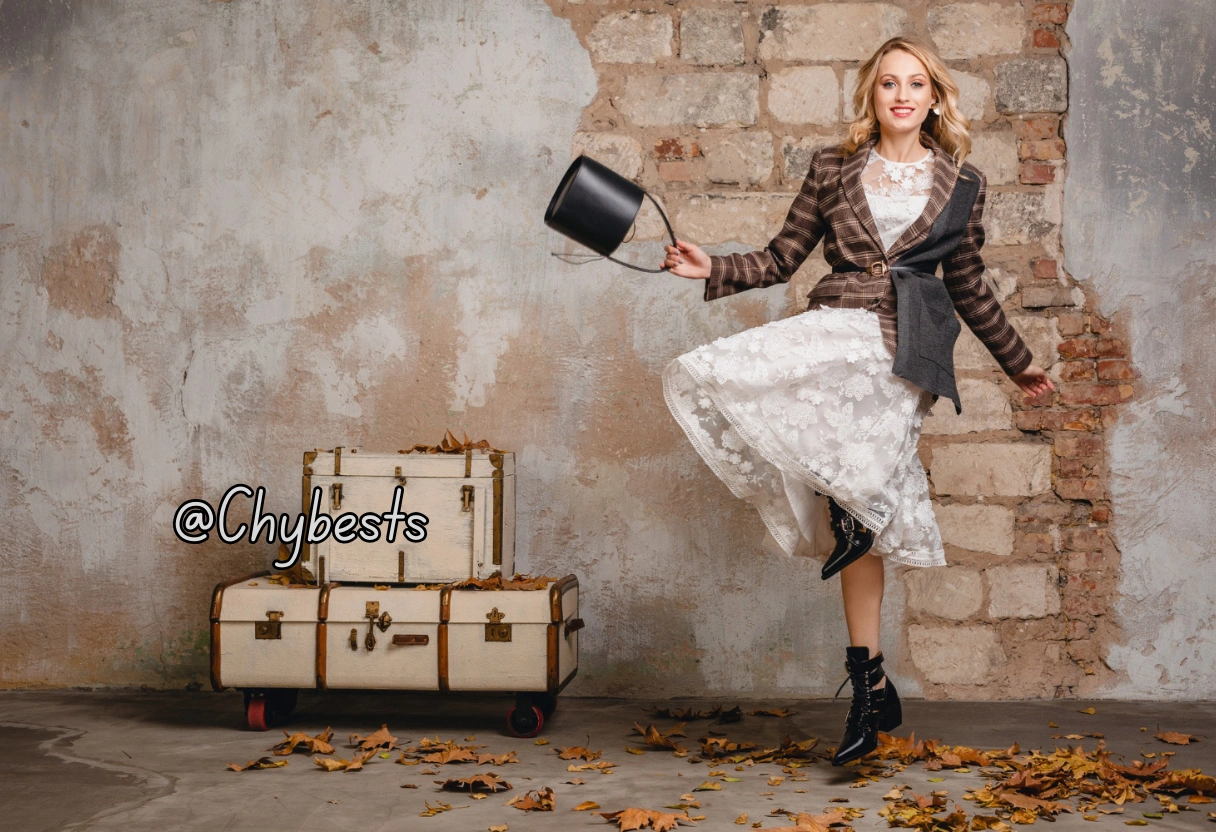
Vintage fashion has become a key part of modern style in the UK, offering a way to stand out while staying sustainable. Many people are drawn to vintage clothing because it tells a story, adds uniqueness to an outfit, and often provides better quality fabrics than fast fashion. Styling vintage clothes, however, requires thought so that the look feels current rather than outdated. The goal is to balance old and new pieces in a way that feels effortless, while also adapting to the UK’s culture and weather.
This guide explains how to style vintage clothing in the UK, from choosing timeless pieces to pairing them with modern items. It also highlights how to make outfits practical for different occasions, while keeping comfort in mind.
What is UK Vintage Style?
Vintage fashion refers to clothing from previous decades that has remained in good condition and still works today. In the UK, vintage often spans from the 1920s through to the 1990s, with each decade having its own signature look. Styles from the 60s and 70s are especially popular because of their bold colours and patterns, while 80s tailoring and 90s minimalism are also seeing a revival.
The appeal of vintage lies in originality. Unlike high street clothing, vintage pieces are harder to replicate, giving outfits a personal touch. In the UK, where street style and individuality are highly valued, vintage clothes fit naturally into both casual and formal wardrobes.
How to Combine Vintage with Modern Pieces
One of the best ways to style vintage clothing is to mix it with modern staples. This keeps the outfit looking fresh and prevents it from feeling like a costume. For example, pairing a 70s patterned blouse with tailored black trousers creates balance. A 90s denim jacket works well over a plain t-shirt and slim-fit jeans.
For women, a vintage floral dress can be styled with modern boots or a leather jacket to make it more adaptable to today’s trends. For men, a vintage sports jacket or knitted jumper can be paired with straight-leg trousers and modern shoes for a clean look. Mixing helps highlight the vintage piece while ensuring the outfit still feels current.
1. Choose Timeless Items
Not all vintage clothing works for every occasion. To create outfits that are versatile, it is best to focus on timeless items that blend well with modern wardrobes. Blazers, trench coats, denim jackets, silk blouses, tailored trousers, and simple dresses are examples of pieces that rarely go out of style.
In the UK, where the climate is often unpredictable, coats and jackets are especially practical vintage choices. A classic wool coat from the 80s or a trench coat from the 60s adds structure and warmth while still looking stylish today.
2. Pay Attention to Fit
The fit of vintage clothing is important because older pieces often have different sizing compared to modern clothes. Some items may feel too boxy or oversized. Tailoring can make a big difference. A vintage blazer, for example, may need adjustments to sit properly on the shoulders or waist. Dresses and trousers can also be altered to suit a modern silhouette.
Wearing clothing that fits well prevents the outfit from looking dated. In the UK, where fashion often values sharp, clean lines, adjusting vintage pieces to suit your body ensures the look feels intentional.
3. Accessorizing
Accessories play a key role in styling vintage clothing. To keep the look balanced, it is best to combine vintage accessories with simple modern pieces. A vintage handbag or scarf can be paired with a minimalist dress. A retro belt can add shape to a modern skirt. Jewellery such as pearls or gold chains from past decades can add charm without overwhelming the outfit.
Shoes should also be chosen with balance in mind. While vintage shoes can be stylish, they are not always practical for everyday use. Pairing vintage clothing with modern footwear such as ankle boots, loafers, or trainers keeps the look updated while still reflecting personal style.
4. Consider the Climate
The UK climate often requires layering, which works well with vintage clothing. A 70s cardigan over a modern shirt, or a vintage denim jacket layered with a scarf, adapts easily to the weather. In winter, wool coats, knitwear, and tweed jackets from past decades are both warm and stylish. In summer, lighter vintage fabrics like cotton or linen dresses can be styled with sandals or flats.
Layering also gives flexibility, allowing vintage pieces to transition across seasons without losing their appeal.
5. Practice for Different Occasions
Vintage clothing can be styled for a wide range of settings. For casual outings in the UK, pairing vintage denim with a modern t-shirt and trainers works well. For more formal dinners, a classic vintage dress styled with heels and a tailored coat creates an elegant look. Men can wear a vintage blazer with modern trousers and polished shoes for semi-formal events.
For work settings, subtle vintage items such as silk blouses, ties, or jackets add character without looking out of place. The key is to choose one or two standout vintage pieces and build the rest of the outfit around them.
6. Best Color and Pattern
Vintage clothing often comes in bold patterns and colours. While this adds character, balance is necessary to avoid overwhelming the outfit. Pairing a patterned vintage skirt with a plain modern top creates harmony. Similarly, if a jacket has a strong colour, keeping the rest of the look neutral helps maintain focus.
In the UK, neutral shades such as black, grey, beige, and navy work well as grounding tones. These can be combined with colourful vintage items to keep the outfit stylish without being too loud.
Conclusion
Styling vintage clothing in the UK is about finding balance between individuality and practicality. The best approach is to mix vintage pieces with modern staples, choose timeless items, ensure proper fit, and use accessories carefully. Adapting to the UK’s climate through layering also ensures comfort while keeping the outfit stylish.
Vintage fashion allows people to express creativity while embracing sustainability. By choosing carefully and styling with intention, anyone can make vintage clothing feel relevant in today’s UK fashion scene.
Related Articles to Read on:
What Are the Best Outfits for a UK Summer Garden Party?



Leave a Reply