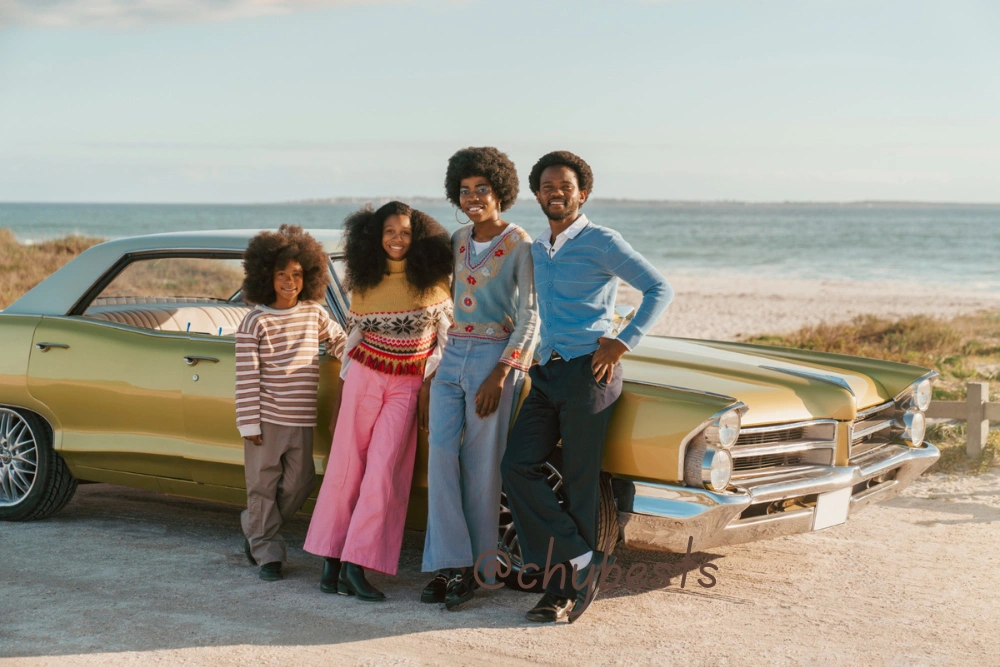
Vintage fashion is a creative way to express individuality while celebrating timeless design. Styling vintage clothes is not only about wearing old pieces but also about mixing history, personality, and modern trends into a complete and balanced look. With the growing interest in sustainable fashion and unique style, many people are turning to vintage clothing as a way to stand out while keeping their wardrobe classic and meaningful.
Vintage clothes have a story behind them. Every item carries the design details, fabrics, and craftsmanship of its era. From structured blazers of the 80s to romantic dresses of the 70s or bold prints of the 60s, each piece can transform an outfit into something special. However, styling vintage items requires attention to balance, proportion, and personal expression to make them look current rather than outdated.
This guide explains how to style vintage clothes in a modern, effortless, and confident way.
Understanding Vintage Clothing
Before styling, it is important to understand what makes clothing vintage. Generally, vintage fashion includes garments that are at least 20 years old. Each decade has its own defining cuts, patterns, and materials. Recognizing these differences helps you choose what fits your body shape, lifestyle, and taste.
When shopping for vintage, check the quality of fabric and craftsmanship. Many older clothes were made with better tailoring and durable fabrics compared to most modern fast-fashion pieces. Look for structured stitching, genuine materials, and timeless shapes. Understanding these details will help you style pieces that stand out for the right reasons.
How Can I Style Vintage Clothes?
1. Mix Vintage with Modern Pieces
The easiest way to style vintage clothes without looking like you are wearing a costume is to blend them with modern elements. Pairing old and new keeps the outfit balanced and fresh. For example, a vintage blouse can look chic when worn with modern jeans and simple shoes. Similarly, a classic 70s skirt can be updated with a plain fitted top and modern accessories.
This combination allows you to highlight the beauty of vintage fashion while keeping your look contemporary. The goal is to use vintage as a statement rather than a full theme. Modern pieces add structure and simplicity that help vintage items shine without overwhelming your outfit.
2. Focus on Fit and Tailoring
One of the main challenges with vintage clothing is the fit. Sizing has changed over time, so many older garments may not match current measurements. When styling vintage clothes, tailoring makes a huge difference. A well-fitted vintage blazer, dress, or trouser can instantly look modern and polished.
If a vintage item feels slightly oversized, you can use belts or layering to shape your silhouette. For example, cinch a loose dress at the waist with a belt or pair a wide jacket with slim-fit pants. The key is to balance proportions to avoid bulkiness. Always remember that fit brings vintage pieces to life and makes them more wearable today.
3. Keep Accessories Simple
Vintage clothes often have strong patterns, textures, or cuts. To keep the look balanced, it is best to use minimal accessories. Neutral shoes, clean handbags, and subtle jewelry work well to complement vintage styles. This keeps the focus on the clothing without creating visual clutter.
If you choose a vintage dress with heavy details, go easy on jewelry. A simple necklace or earrings are enough. On the other hand, if you are wearing plain vintage clothing, a statement accessory such as a scarf or bold handbag can add character. The goal is to enhance the outfit, not overpower it.
4. Combine Eras Carefully
Mixing items from different decades can create an interesting and personal look when done correctly. The secret is to find a connection between the pieces, such as color, texture, or silhouette. For instance, a 70s suede jacket can work beautifully with a 90s minimal top and modern jeans.
Avoid wearing too many distinct vintage styles together, as it can make your outfit look mismatched. Select one era as the base and use pieces from others as accents. This gives your outfit structure and keeps it visually cohesive.
5. Use Modern Hairstyles and Makeup
Styling vintage clothes does not mean you need to copy the hairstyles or makeup from that era. Instead, pairing old fashion with a modern beauty look keeps it relevant. Soft waves, sleek buns, or natural makeup balance vintage garments perfectly.
For example, a 50s-inspired dress with a clean modern hairstyle instantly feels current. Similarly, wearing vintage suits with natural makeup and fresh tones makes them look stylish rather than retro. This contrast between old and new gives vintage clothing a modern edge.
6. Layer Smartly for Modern Appeal
Layering vintage pieces adds depth and versatility to your wardrobe. For instance, wear a vintage shirt under a modern blazer or style a vintage dress with a cropped denim jacket. This method helps balance the boldness of older garments while giving them a fresh look.
Layering also allows you to wear vintage fashion year-round. Light dresses can be paired with cardigans during colder seasons, and heavy coats can be styled over modern casual outfits. The trick is to ensure that each layer adds function and style without cluttering the outfit.
7. Pay Attention to Fabric and Texture
Vintage fabrics often differ from modern ones. They may include heavier cotton, wool blends, or delicate lace that need specific styling. When combining vintage with modern clothing, match textures that complement each other. For example, balance a soft silk blouse with structured denim or pair velvet skirts with simple cotton tops.
Texture adds character and helps express the story behind the outfit. Mixing rough and smooth materials creates contrast and keeps the look visually appealing. Always consider fabric quality, as it defines how well your outfit holds shape and moves with your body.
8. Personalize Your Look
The best part of wearing vintage fashion is that it allows self-expression. You can experiment with colors, layering, and accessories to create a style that represents your personality. Unlike fast fashion, vintage clothing gives you the freedom to create combinations no one else has.
If you find a piece that speaks to you but does not completely fit your taste, consider customizing it. Small changes like adjusting buttons, shortening hems, or updating zippers can modernize vintage garments while keeping their charm. Personalizing your outfit makes it unique and wearable.
9. Care for Vintage Clothes Properly
To maintain your vintage wardrobe, handle the garments with care. Many old fabrics are delicate and may not handle regular washing methods. It is best to read care tags, use gentle detergents, and avoid heat drying. Proper care keeps colors, textures, and structures in good shape for years.
Storing vintage clothes properly is also essential. Use breathable garment bags, padded hangers, and avoid cramped spaces. Caring for these items not only preserves their value but also ensures they remain beautiful and wearable.
Conclusion
Styling vintage clothes is a creative way to mix history with modern taste. By blending eras, paying attention to fit, and using simple accessories, you can create timeless outfits that express who you are. Vintage fashion gives individuality, sustainability, and craftsmanship a place in today’s world.
When styled correctly, vintage clothing never looks outdated. It becomes part of a story that connects the past and present through fashion. Whether you are wearing a vintage dress, a tailored jacket, or classic denim, the goal is to make it your own. With the right approach, vintage clothes can help you build a wardrobe that is unique, elegant, and unforgettable.


Leave a Reply