
High-fashion models are known for their effortless style, confidence, and attention to detail. They know how to combine simplicity with sophistication, creating outfits that stand out without appearing forced. Dressing like a high-fashion model is not only about wearing expensive designer clothing; it is about understanding proportions, styling techniques, and the art of minimal elegance. This guide explains how to achieve that look using simple, credible styling principles that help you appear refined, confident, and stylish.
What is High-Fashion Look?
High-fashion style is polished but never overdone. It blends structure, balance, and personality. The focus is on clean lines, well-fitting clothes, and high-quality fabrics. Every piece looks deliberate and serves a purpose. Whether dressed casually or formally, a high-fashion model always appears put together. The goal is to make simple items look elevated through thoughtful styling, layering, and coordination.
How to Dress Like a High-Fashion Model
1. Invest in Well-Fitted Clothes
The foundation of dressing like a model begins with fit. Even the most stylish outfit looks unrefined if it does not fit properly. Clothes should complement your body shape without being too tight or loose. Tailored blazers, structured coats, fitted jeans, and well-cut trousers create a sharp and elegant appearance. If necessary, have your clothes adjusted by a tailor to ensure they sit perfectly. Fit is what gives every outfit its model-like structure.
2. Choose Timeless Neutral Colors
Neutral colors form the core of high-fashion wardrobes. Shades like black, white, beige, gray, navy, and cream dominate most model-inspired looks. These tones are versatile and easy to mix. A monochrome outfit in these shades appears refined and effortless. Neutral colors also highlight texture and shape, which are key elements in luxury fashion. Once you have mastered neutrals, you can add bold colors as statement pieces without overpowering the look.
3. Keep Outfits Minimal and Balanced
High-fashion models often follow the rule of minimalism. Their outfits rarely include too many accessories or conflicting prints. They rely on clean silhouettes and simple combinations. A crisp white shirt with tailored black pants can look as stylish as an elaborate outfit when styled correctly. Avoid excess layering or unnecessary details that distract from the outfit’s natural form. Simplicity communicates confidence and class.
4. Focus on Quality Fabrics
High-quality fabrics make even the simplest clothes look expensive. Materials like wool, silk, linen, and cotton blends create structure and drape well. These fabrics also last longer and maintain their shape. When choosing clothes, pay attention to fabric texture and weight. Soft knits, smooth satins, and well-pressed cottons all add to the high-fashion effect.
5. Use Layering to Create Depth
Layering adds sophistication and personality to outfits. Models often layer blazers over turtlenecks, coats over shirts, or vests over dresses. Each layer should add structure and depth without looking bulky. The key is balance — a long coat over slim trousers or a cropped jacket over a fitted dress. Proper layering turns basic clothing into a runway-ready look.
6. Master Monochrome Styling
Monochrome dressing is a signature of high-fashion models. Wearing one color from head to toe creates a sleek and elongated look. It can be all black for a bold effect or all beige for a soft, elegant tone. Monochrome outfits draw attention to your shape and the quality of your fabrics instead of relying on loud patterns. To avoid a flat appearance, mix different textures of the same color, such as wool, silk, or leather.
7. Choose Statement Outerwear
Outerwear often defines a high-fashion outfit. A structured trench coat, oversized blazer, or long tailored coat can transform a simple outfit instantly. Choose coats with clean cuts, sharp shoulders, and neutral colors. The right outerwear creates presence and confidence, even when paired with casual basics underneath.
8. Accessorize with Intention
Models keep accessories minimal but meaningful. Every accessory should add purpose to the outfit. Structured handbags, classic sunglasses, thin belts, and simple jewelry pieces are enough to elevate a look. Gold or silver details add refinement without overcomplicating the style. The secret is restraint — one standout accessory is better than many competing ones.
9. Maintain Clean Footwear Choices
Shoes are an important part of dressing like a model. Classic loafers, ankle boots, strappy heels, and white sneakers are common choices. The shoes should be clean, well-maintained, and match the tone of the outfit. Pointed-toe heels and leather boots add structure, while sneakers bring a casual yet refined balance. Avoid shoes that look too bulky or worn-out.
10. Experiment with Proportions
Fashion models often play with proportions to make their outfits interesting. Pairing oversized blazers with fitted skirts or loose trousers with cropped tops creates dimension. The contrast between large and small pieces makes the outfit look more designer-inspired. Experiment with volume while keeping the overall shape balanced.
11. Pay Attention to Grooming
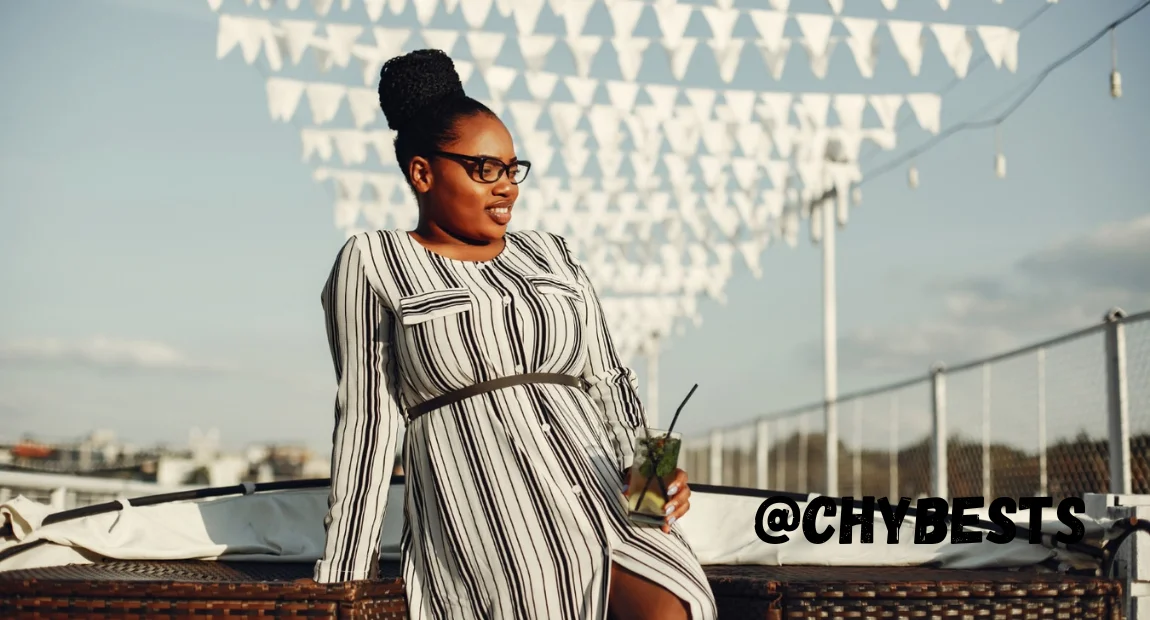
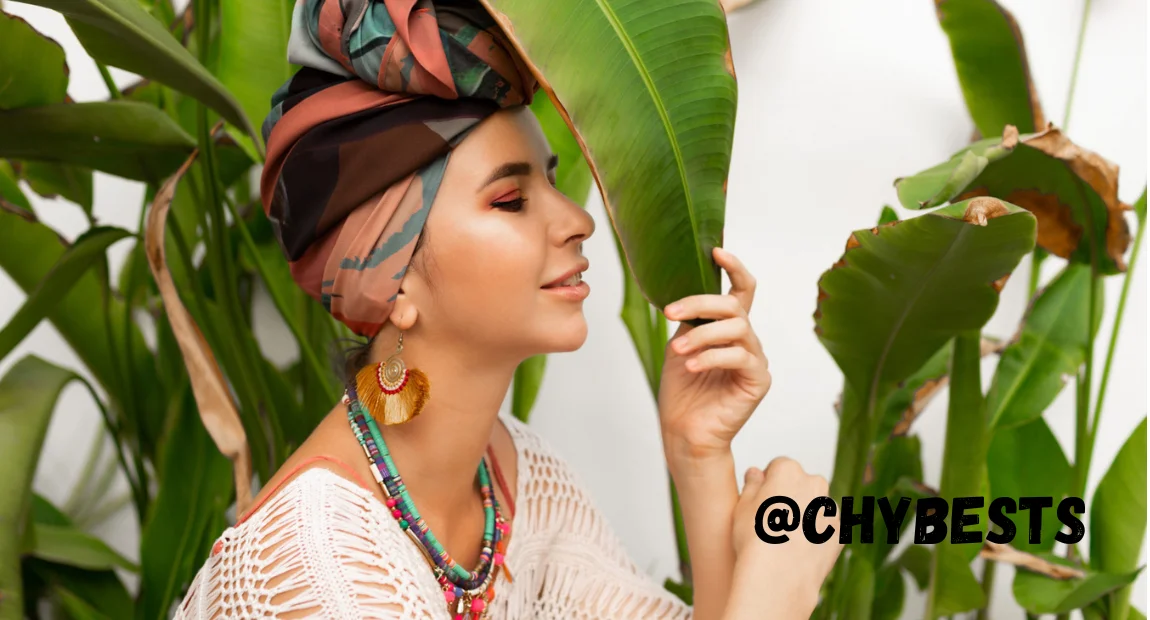
A high-fashion outfit is incomplete without proper grooming. Models keep their hair and makeup clean and minimal. Skin looks natural and fresh, not overly polished. Simple hairstyles such as slicked-back buns, low ponytails, or natural waves complement structured clothing. The focus is on appearing effortless but well-kept.
12. Include Modern Street Style Elements
Modern high-fashion often borrows from streetwear. You can mix tailored pieces with casual ones to achieve a relaxed yet fashionable look. A structured blazer with jeans, or a fitted top with wide-leg trousers, creates that model-off-duty feel. Sneakers, baseball caps, and crossbody bags can make the look youthful without losing sophistication.
13. Keep the Color Palette Coordinated
Even when mixing styles, ensure your color palette remains consistent. Wearing colors that complement each other keeps the outfit cohesive. For example, beige and white create softness, while black and gray give a sharp, confident appearance. Avoid too many bright shades in one outfit. Two or three coordinated tones are enough to maintain elegance.
14. Confidence and Posture
Dressing like a high-fashion model also depends on how you carry yourself. Confidence and posture elevate the outfit. Stand tall, walk with purpose, and keep movements graceful. Confidence enhances even the simplest clothing choices and makes them look runway-ready.
15. Practical Everyday Outfits
You can incorporate model-inspired dressing into your daily life without it feeling complicated. A black blazer over a white t-shirt and jeans is stylish and easy to wear. A monochrome dress with minimal jewelry creates an instant statement. Even with simple basics, paying attention to fit, layering, and coordination creates that polished, high-fashion finish.
How to Build a Model-Inspired Wardrobe
Start with essentials that mix easily: fitted trousers, crisp shirts, a good blazer, and neutral tops. Add statement pieces like an oversized coat or structured dress. Gradually introduce textures and layers as you build confidence. High-fashion style comes from consistency, choosing timeless pieces that always look current.
Conclusion
Dressing like a high-fashion model is about simplicity, structure, and confidence. It focuses on fit, fabric quality, and thoughtful styling rather than trends or expensive labels. Every piece in a model’s wardrobe works together to create harmony and refinement. By mastering minimalism, layering, and posture, anyone can achieve that effortlessly chic look that defines high fashion.
The goal is not to copy runway looks but to interpret the style in a practical, personal way. With clean lines, neutral tones, and confidence in your choices, you can present yourself with the same poise and sophistication that makes high-fashion models stand out anywhere.
Related Articles to Read on:
What Color Shirt to Wear with Green Pants?
What Color Shirt to Wear with Brown Pants?
Leave a Reply