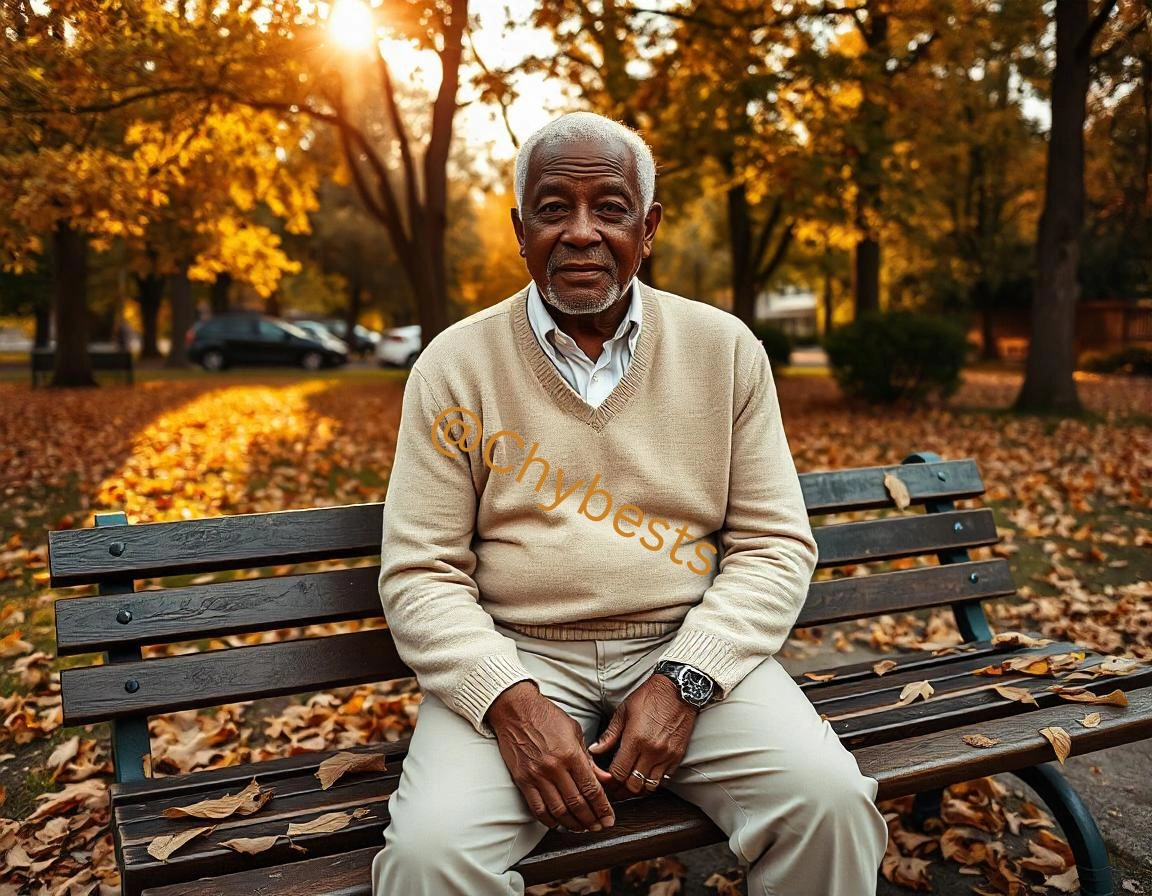
Dressing well after 60 is about combining comfort, elegance, and practicality. At this stage, your wardrobe should highlight timeless style rather than fast-changing fashion trends. The clothes you wear should reflect maturity and sophistication while remaining functional for everyday life. Age should not limit style but should instead refine it, focusing on quality fabrics, flattering cuts, and versatile outfits. Dressing well over 60 is not about trying to look younger but about embracing confidence and dressing appropriately for every setting.
Why Does it Matter to Dress Well After 60?
Style plays a key role in how you are perceived at any age. After 60, clothes should represent self-assurance and ease. The right outfit can make you appear polished without effort, while poor clothing choices can create an impression of carelessness. Dressing well also improves comfort and mobility, especially when focusing on breathable fabrics, structured tailoring, and shoes that provide support. A balanced wardrobe keeps you ready for both casual and formal moments in daily life.
How to Dress When You’re Over 60 Years Old
1. Build a Timeless Wardrobe
By the time you reach your 60s, your wardrobe should focus on quality, not quantity. Neutral colors such as navy, beige, gray, and white provide a foundation for versatile outfits. Investing in fewer but better pieces ensures that your clothing lasts longer and looks better. Items should be easy to mix and match, making dressing simpler while maintaining sophistication.
2. Suits That Reflect Maturity
Even if worn less often, a suit remains an important part of a man’s wardrobe over 60. Navy or charcoal wool suits are timeless choices that adapt to weddings, formal dinners, and special occasions. The fit should avoid extremes; neither too slim nor too loose. A well-fitted suit shows polish without appearing forced. Pairing with leather dress shoes completes the look with authority.
3. Shirts That Work in Every Setting
Crisp cotton shirts remain essential at this stage. White, pale blue, and light gray are versatile choices that work under jackets, with chinos, or even with jeans. Subtle checks and stripes add variety while keeping the look refined. Shirts should be breathable and structured, offering comfort for long wear. Proper collar design ensures the shirt maintains its shape across the day.
4. Knitwear for Warmth and Style
Knitwear adds comfort and texture to a mature wardrobe. Fine merino wool and cashmere sweaters in neutral tones are ideal for layering over shirts or under jackets. A crewneck sweater works for casual wear, while a v-neck pairs well with collared shirts. A turtleneck adds sophistication and works under tailored coats. These pieces offer warmth while maintaining a polished appearance.
5. Trousers Beyond Jeans
While jeans still work after 60, trousers and chinos should form the base of your wardrobe. Wool trousers in gray or navy pair well with jackets and formal shoes. Chinos in beige, olive, or navy provide comfort for daily wear without looking overly casual. If wearing jeans, choose dark washes with a straight or slightly tapered fit for a clean look. Avoid distressed or baggy styles, as they appear less refined.
6. Outerwear That Adds Sophistication
Outerwear should balance practicality and style. A long wool overcoat in camel, navy, or charcoal provides warmth in colder months and elevates any outfit. For casual wear, a lightweight trench coat or a clean bomber jacket adds versatility. These pieces should be simple in design, structured, and easy to layer over different outfits.
7. Shoes That Balance Comfort and Elegance
Footwear becomes especially important after 60, as comfort and support are key. A pair of black Oxford shoes and brown brogues or derbies cover formal needs. Loafers or suede boots are ideal for casual and semi-formal settings. Clean leather sneakers provide comfort for relaxed days while still maintaining a neat appearance. Shoes should always be well-kept and chosen with care to match the outfit.
8. Smart Use of Accessories
Accessories add subtle character to an outfit. A classic wristwatch, leather belts that match your shoes, and silk ties for formal events are all reliable choices. A wool scarf in colder months adds both style and practicality. Sunglasses with timeless frames, such as aviators or wayfarers, remain useful. Accessories should stay minimal and functional, ensuring they complement rather than overwhelm the outfit.
9. Casual Dressing with Confidence
Casual wear in your 60s should be comfortable but not careless. Polo shirts, linen shirts, and simple t-shirts in solid colors pair well with chinos or dark jeans. A casual blazer can elevate even simple outfits. Layering with knitwear provides ease in colder weather. Choosing breathable fabrics like cotton and linen ensures comfort without compromising style.
10. Choosing Quality Over Quantity
In your 60s, it is better to have a smaller collection of high-quality items than a closet full of clothes that wear out quickly. Fabrics like wool, cotton, linen, and cashmere hold their shape and appearance over time. Tailoring plays an important role in making sure every item fits well and looks intentional. A well-curated wardrobe reduces the need for constant updates while always keeping you prepared.
Conclusion
Dressing well after 60 is about refinement, comfort, and timeless choices. Essential pieces include suits, shirts, trousers, outerwear, knitwear, and supportive footwear. Casual wear should remain structured yet relaxed, while accessories should be minimal and practical. By focusing on fit, fabric, and versatile designs, you create a wardrobe that works across different occasions without effort. A man in his 60s should embrace his maturity through clothing that highlights confidence and style, proving that age only strengthens a well-built wardrobe.
Leave a Reply