The “Old Money” aesthetic, often referred to globally as quiet luxury is defined by understated elegance, immaculate tailoring, and a complete absence of loud branding. It projects wealth through discipline, favoring structured silhouettes and premium textiles that don’t need to shout to be recognized.
In Nigeria, you do not need to import European cashmere or Italian silks to achieve this look. The local fabric markets are packed with heritage, high-density textiles that, when paired with a skilled bespoke tailor, can create a luxury traditional look that rivals any western luxury suit.
1. Selecting High-Density Premium Local Fabrics
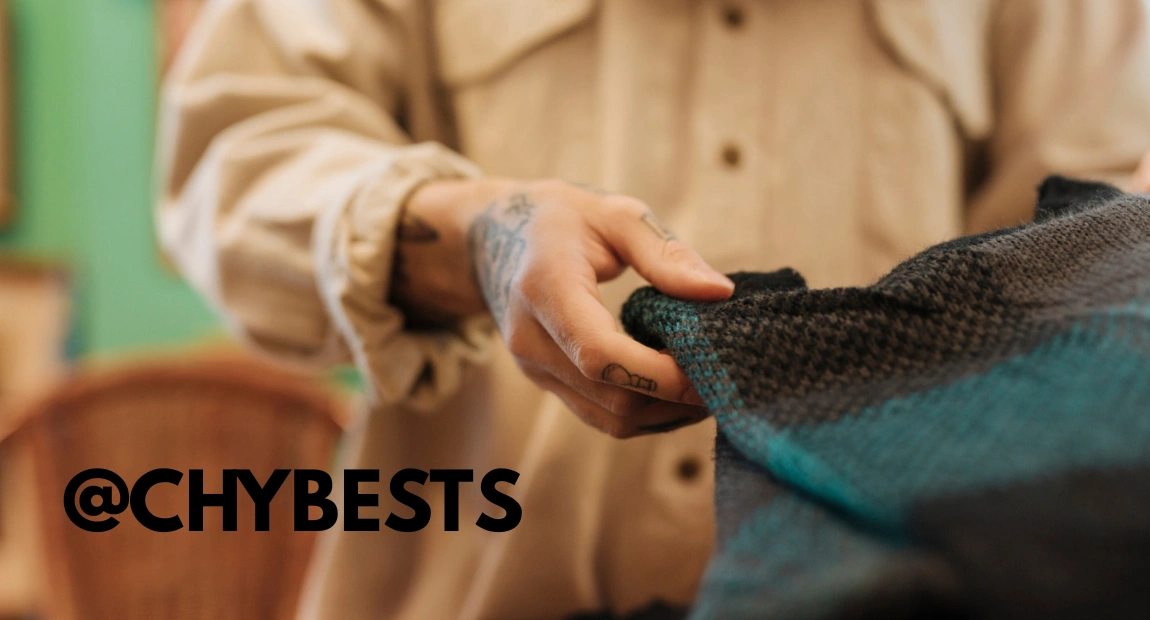
True luxury starts with the yarn. To achieve the old money drape, you must bypass shiny, synthetic materials and look for local fabrics that have a natural weight, a clean matte finish, and excellent structural integrity.
Heavy-Weight Irish Linen & Cotton Tunics
For a sharp, everyday corporate or daytime look, premium Irish linen or high-thread-count polished cotton is unmatched. When tailored into a crisp two-piece kaftan, these fabrics hold their structure along the shoulders and chest while remaining incredibly breathable in the local climate. Avoid lightweight, flimsy linens that wrinkle instantly; look for heavy-weight weaves that crease gracefully and drop cleanly to the ankles.
Textured Matte Atiku
Atiku fabric is a staple in Nigerian menswear, but to pull off a quiet luxury look, you must avoid the varieties featuring glossy finishes, loud stripes, or metallic embroidery threads. Select a premium, non-sheen, solid-color matte Atiku with a subtle, self-textured weave. The texture should only be visible up close, signaling high-end craftsmanship without relying on artificial glare.
Raw, Handwoven Silk and Cotton Aso-Oke
Instead of using standard shiny satin or imported damask for structured jackets, caps, or waistcoats, turn to premium, hand-woven Aso-Oke. Authentic Aso-Oke from Western Nigeria is dense, heavily textured, and carries a historic weight. Opt for varieties woven strictly with organic cotton or raw silk threads, completely ignoring the options with glittering lurex or metallic threads.
2. The Minimalist Color Palette of Restraint
The old money aesthetic relies on a deeply disciplined color scheme. Loud, contrasting neon color blocks or bright jewel tones are subverted in favor of sophisticated neutrals, earth tones, and deep monochromes.
The Sand Suite ➔ Taupe, Bone Cream, Soft Ivory, Off-White
The Mineral Suite ➔ Slate Grey, Olive Green, Dusty Terracotta
The Deep Suite ➔ Midnight Navy, Forest Green, Espresso Brown
When building a traditional custom set, keep the tunic and the trousers (Sokoto) in the exact same color and fabric batch. A monochromatic outfit creates an unbroken vertical line that makes you look taller, leaner, and incredibly polished. If you must add a secondary tone, let it be through a subtly darker shade within the same color family.
3. Structural Tailoring Guidelines
An old money garment lives and dies by its fit. It should never look tight or restrictive, nor should it look overly baggy and sloppy. It must be tailored to sit precisely on your frame with clean, geometric lines.
The Structured Kaftan / Senator Set
- The Shoulders: Instruct your tailor to build a sharp, structured shoulder seam using high-quality internal shoulder pads, mimicking the construction of a bespoke suit jacket. This defines your frame instantly.
- The Placket: Avoid visible plastic buttons, heavy metal zippers, or shiny snap buttons down the front chest. Use a hidden button fly placket or a structural internal crossover overlap closure that keeps the center chest completely clean.
- The Length: The tunic length should be extended slightly to hit right at or just above the knee to establish a formal silhouette.
The No-Break Trousers (Sokoto)
The trousers must feature a sharp, permanent front crease. The length should be tailored to a precise “no-break” finish, skimming the top of your shoes without bunching up at the ankles. This preserves a continuous, clean line from your waist down to your footwear.
4. Grounding the Look with Understated Accessories
When your custom attire is intentionally minimalist, your finishing details carry massive weight. Your accessories should look artisanal, functional, and highly curated.
- The Footwear: Skip shiny patent leather or casual rubber slides. Pair your custom native wear with handmade, matte calfskin leather loafers, Belgian loafers with a subtle suede tassel, or pristine leather mules in dark brown, tan, or black.
- The Hardware: Keep your wrist watch slim and classic, opting for a leather strap that matches your shoes or a brushed metal band. If you wear a ring, stick to a single, solid metal signet ring.
- The Fila (Cap): If your outfit requires a Fila, use a high-density, matte Aso-Oke cap that matches the base tone of your outfit perfectly, avoiding any elaborate embroidery patterns along the rim.
The Style Mantra: True elegance does not shout; it sits quietly and is discovered. By stepping away from loud, shiny materials and overly complex designs, a custom-tailored local fabric ensemble demonstrates profound confidence. It proves that premium craftsmanship, perfect fit, and fabric heritage are the ultimate markers of sophisticated, timeless luxury.
Recommended Posts:
How to Style Glitter and Bead Outfits Without Over-Accessorizing
Modern Ways to Style Mismatched Sneakers for Luxury Streetwear Look
How to Transition a Sheer Lace Dress From Day Wear to Evening Owanbe
How to Style Oversized Streetwear Coordinates in the Abuja Heat
Leave a Reply