
Color blocking is not new. It started as a strong trend in the 1960s and returned in the 1980s with bold, bright looks. But today’s version of hyper color blocking takes the idea to an even louder level. It involves using clashing colors, large panels, and unexpected combinations that make a strong visual impact. Instead of two or three tones, this version plays with five, six, or even more colors in one outfit.
The question now is whether hyper color blocking is still stylish in today’s fashion world or if it has passed its peak. With fashion constantly shifting between minimal and bold, some believe this trend has lost its place, while others argue it still brings energy and creativity to modern style. To decide, we need to understand where hyper color blocking came from, why it matters now, and whether it still fits with how people dress today.
The Origins of Hyper Color Blocking
Color blocking has its roots in art, especially the abstract works of artists like Piet Mondrian, who used basic shapes and strong colors. Designers like Yves Saint Laurent later brought this idea into clothing. The result was simple dresses with large panels of red, blue, yellow, and black.
Over time, color blocking became more common, but hyper color blocking only became widely popular in the 2010s. This newer form ignored safe matches and instead focused on sharp, bright clashes. Neon pink with lime green, electric blue with orange, or red with violet all worn together in one outfit became common on runways and in street style.
What Makes Hyper Color Blocking Gain Attention?
Hyper color blocking is not about blending in. It is bold, sharp, and full of energy. It draws attention and makes a strong first impression. This makes it popular with creative industries, influencers, and fashion lovers who want to be seen and remembered.
The use of large shapes and flat color areas creates a graphic look. When styled right, this technique adds dimension to a simple outfit. It can change body shapes, highlight key parts of the outfit, and create a playful, almost artistic feel.
Unlike soft blending or neutral palettes, hyper color blocking is direct. It sends a message of confidence, strength, and individuality.
Is Hyper Color Blocking Still Fashionable Today?
The answer depends on how it’s used. Hyper color blocking is not as mainstream as it was a few years ago, but it still has a place in today’s fashion. On many runways, designers use it to break the softness of neutral trends or to add contrast to minimalist cuts.
Brands like Versace, Marni, and Balmain have continued using bold color mixes in their collections, but with a more controlled edge. Instead of full outfits, they often highlight one statement piece, like a jacket or dress, styled with quieter items.
In street fashion, hyper color blocking appears in curated looks often paired with clean sneakers, structured bags, or single-tone accessories. This shows a shift in how the trend is worn. It’s no longer about wearing as many colors as possible but about mixing a few bold ones with smart design.
The Rise of Soft and Minimal Styles
One reason hyper color blocking feels dated to some is the growing love for soft, muted, and earthy tones. Fashion today leans toward natural fabrics, quiet colors, and timeless cuts. These choices reflect a larger move toward slow fashion and sustainability.
In this context, hyper color blocking feels fast and loud. Its strong colors and synthetic fabrics often contrast with the calming direction of current minimalism. For people seeking subtlety or comfort, the trend may feel out of place.
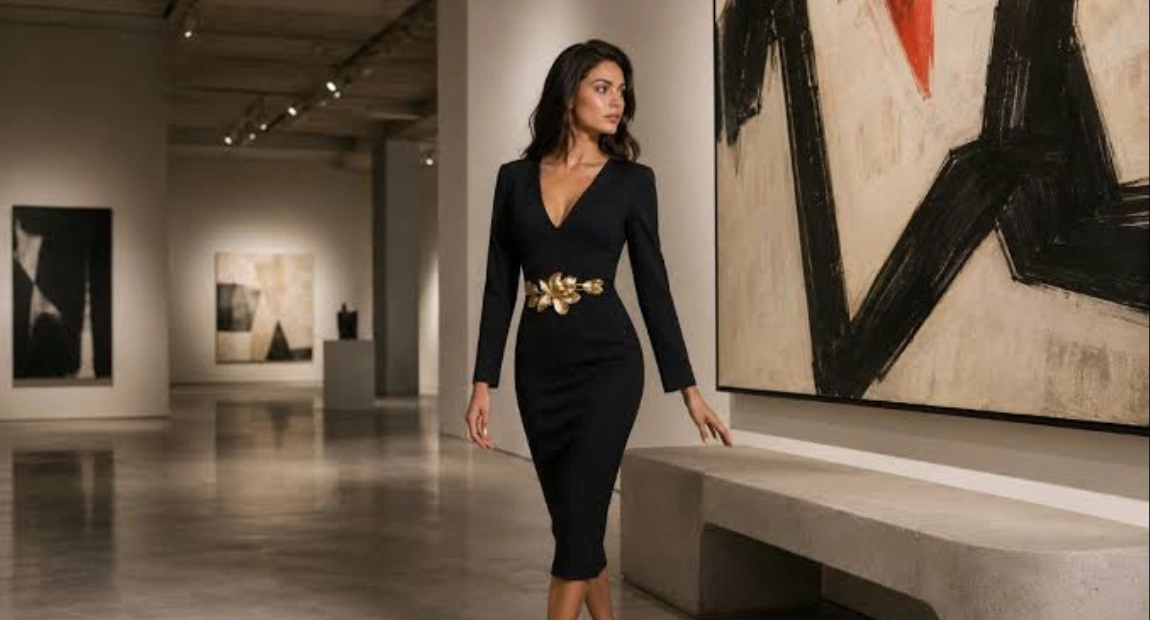
But this does not mean it’s outdated. It means it must be styled with care. When used thoughtfully, hyper color blocking can still work in modern outfits without feeling stuck in the past.
How to Wear Hyper Color Blocking in Today’s Fashion
To make hyper color blocking work now, it helps to keep a few things in mind. First, balance is key. If the top is very bright, the bottom can stay simple. If the jacket carries five colors, the rest of the look should stay plain.
Second, focus on shape. Clean lines and good tailoring help control the chaos of bold colors. Structured coats, high-waist trousers, or boxy tops can hold color without looking messy.
Lastly, quality matters. Rich fabrics make bright colors look bold instead of cheap. Cotton, wool blends, or silk can carry neon and bright tones better than thin or shiny materials.
Cultural and Global Influence
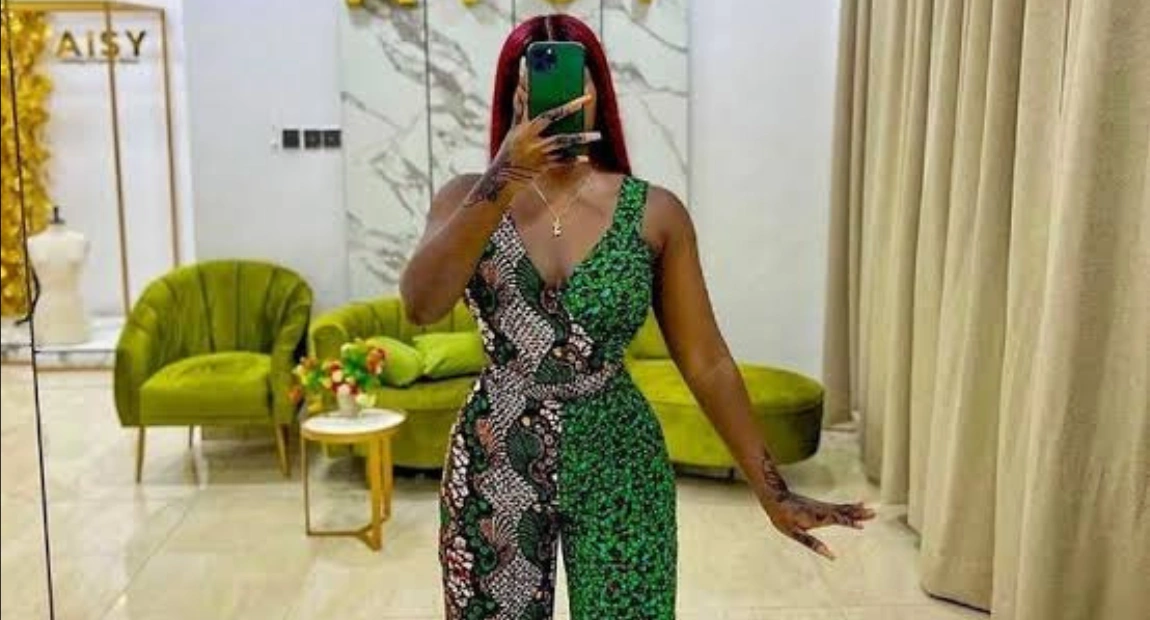
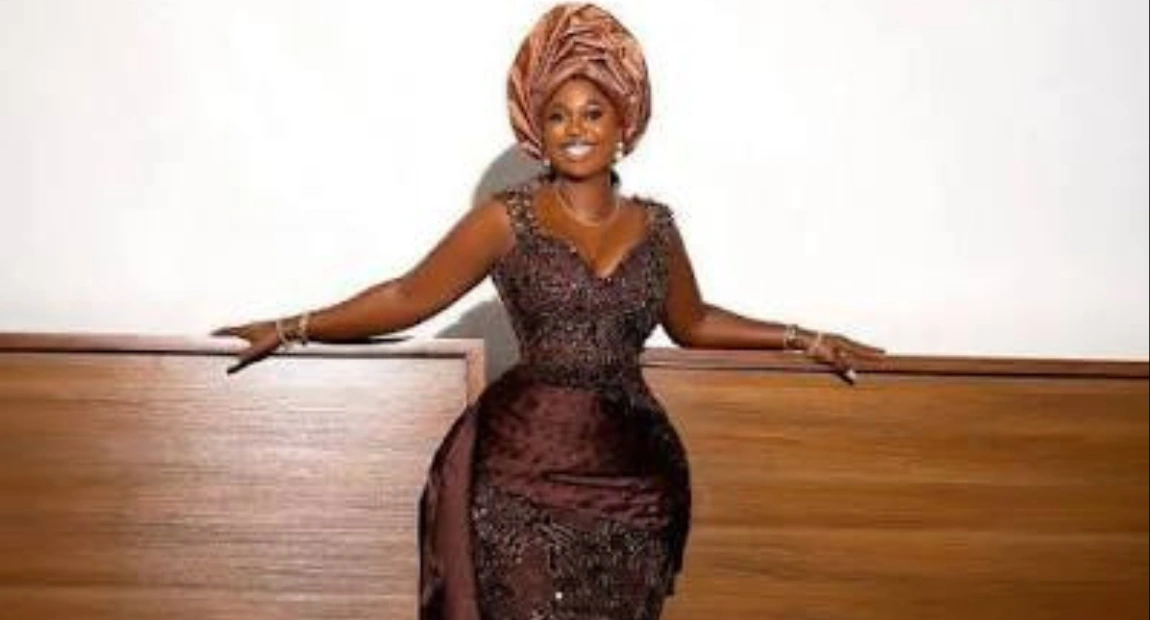
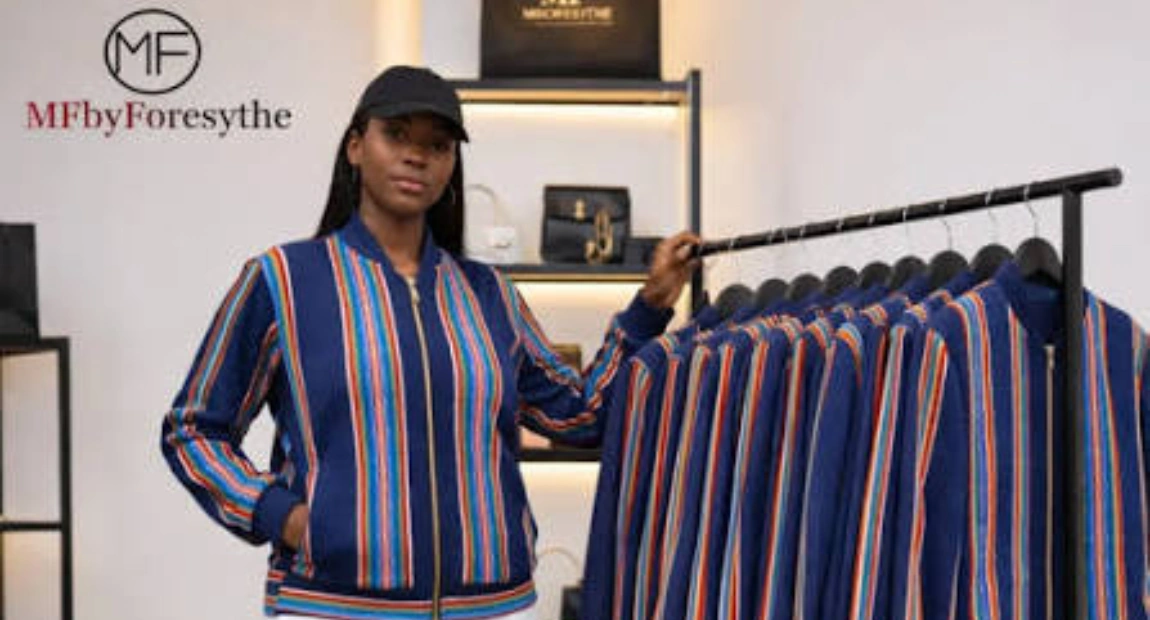
In many parts of the world, bright colors are not just a trend but part of daily fashion. In places like Nigeria, India, or Brazil, strong color use has deep cultural meaning and history. Hyper color blocking fits naturally into those fashion scenes, and global fashion is beginning to reflect this diversity.
Designers are also blending cultural styles with color blocking, creating pieces that carry both modern and traditional touches. This keeps the trend alive across different regions, not just Western fashion capitals.
Conclusion
Hyper color blocking is not dead but evolving. While it may not lead every trend today, it still holds space in modern fashion for those who use it with care and intent. It works best when paired with smart design, clean shapes, and thoughtful balance.
In a world filled with soft and minimal looks, hyper color blocking offers contrast. It gives space for bold voices and creative freedom. For those who wear it well, it remains a powerful tool to stand out and stay unique.
Leave a Reply