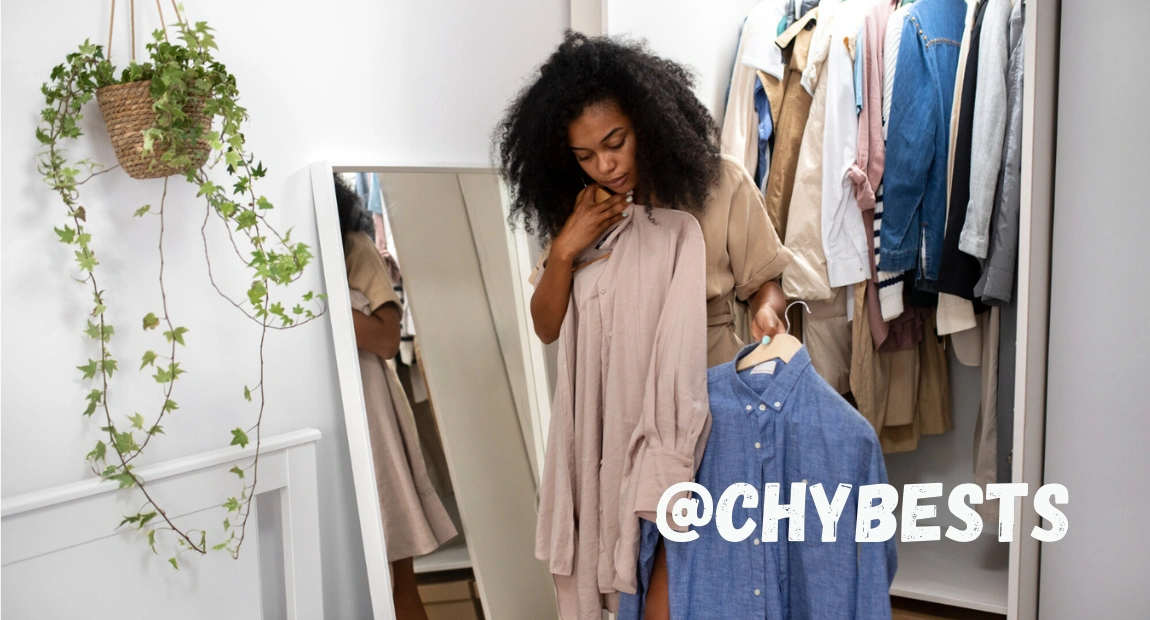
Building a minimalist wardrobe in Africa is not just about owning fewer clothes. It is about owning the right clothes. With warm temperatures, changing seasons in different regions, and a lifestyle that often blends casual, professional, and social settings, a thoughtful wardrobe becomes essential. Minimalism in this context means choosing pieces that are versatile, breathable, stylish, and practical for everyday life.
This guide explores how to create a minimalist wardrobe that suits the African climate while still reflecting personal style. It focuses on smart fabric choices, essential clothing items, and styling ideas that help you do more with less.
What Minimalist Fashion Means in an African Context
Minimalist fashion is often associated with neutral colors and simple designs, but in Africa it takes on a more practical meaning. It is about reducing excess while keeping cultural identity and climate in mind. Instead of owning many outfits that only work for specific occasions, a minimalist wardrobe focuses on pieces that can be worn across different settings.
In African cities where the weather is mostly warm, clothing needs to handle heat, occasional rain, and long days outdoors. This makes versatility and comfort just as important as appearance. A well planned wardrobe allows you to move easily from work to social gatherings without needing a complete outfit change.
Start with the Right Fabrics
The foundation of any minimalist wardrobe for hot climates is fabric selection. Breathable and lightweight materials should dominate your closet.
Cotton remains one of the most reliable options. It is comfortable, absorbs moisture, and works well for both casual and semi formal wear. Linen is another excellent choice, especially for extremely hot days, as it allows maximum airflow and dries quickly. Lightweight blends such as rayon can also provide softness and flexibility for dresses and tops.
Traditional African fabrics can also fit into a minimalist wardrobe when chosen carefully. Ankara in lighter weaves, adire, and soft woven fabrics can be tailored into simple, repeatable styles that match different occasions. The goal is to focus on comfort and reusability rather than excess.
Build a Core Wardrobe with Versatile Pieces
A minimalist wardrobe works best when it is built around essential items that can be mixed and matched easily. Instead of owning many similar items, focus on a few high quality pieces that serve multiple purposes.
Start with well fitted tops. Neutral colored t shirts, blouses, and button down shirts can be paired with different bottoms. Choose breathable fabrics and simple designs that can transition from casual to smart wear.
For bottoms, include a mix of lightweight trousers, skirts, and possibly one or two pairs of jeans for cooler evenings or indoor settings. Wide leg trousers and midi skirts are particularly suitable for hot climates because they allow airflow while maintaining style.
Dresses are also important in a minimalist African wardrobe. A few well chosen dresses can serve multiple functions. A simple cotton or linen dress can be worn casually during the day and dressed up in the evening with the right accessories.
Choose a Functional Color Palette
Color plays a major role in minimalist fashion. In hot climates, lighter shades are more comfortable because they reflect sunlight. Whites, creams, beige, soft browns, and pastels help keep the body cool while creating a clean and cohesive look.
That said, African fashion is known for its rich and vibrant colors. A minimalist wardrobe does not mean avoiding color entirely. Instead, it means being intentional. You can include a few bold pieces such as an Ankara skirt or a patterned shirt that pairs easily with neutral basics. This allows you to maintain cultural expression without overcrowding your wardrobe.
Having a consistent color palette makes mixing and matching easier. Every item should be able to work with at least two or three other pieces in your wardrobe.
Focus on Multi Purpose Outfits
One of the key ideas behind minimalism is versatility. Each outfit should be adaptable to different situations. For example, a simple dress can be worn with sandals during the day and paired with elegant shoes and accessories for an evening event.
A button down shirt can be worn tucked into trousers for a formal look or left open over a top for a relaxed style. Lightweight trousers can work for office settings, travel, and casual outings depending on how they are styled.
This flexibility reduces the need for excessive clothing and helps you get more value from each piece you own.
Keep Footwear Simple and Practical
Footwear in a minimalist wardrobe should be both functional and stylish. In hot climates, breathable and comfortable shoes are essential.
A small collection of footwear can go a long way. Flat sandals are ideal for everyday use. A pair of comfortable sneakers works well for errands and travel. For more formal occasions, a simple pair of loafers or low heels can complete your outfit.
Choosing neutral colors for footwear ensures they match most of your wardrobe, reducing the need for multiple pairs.
Use Accessories to Refresh Outfits
Accessories are a powerful way to create variety without adding more clothing. In a minimalist wardrobe, a few well chosen accessories can transform your look.
Lightweight scarves, simple jewelry, and structured bags can change the feel of an outfit instantly. For example, adding a bold necklace or earrings to a plain dress can make it suitable for a social event. A scarf can add color and personality without adding heat.
In African fashion, accessories also provide an opportunity to showcase culture through beads, handcrafted items, and unique designs.
Maintain Quality Over Quantity
Minimalism is not just about reducing numbers. It is about improving quality. Investing in durable fabrics and well made clothing ensures that your wardrobe lasts longer and performs better in hot weather.
Clothes that are well stitched and made from good materials maintain their shape, resist wear, and remain comfortable even after repeated use. This reduces the need for constant replacements and helps you maintain a clean, organized wardrobe.
Adapt to Regional Climate Differences
Africa is diverse, and climate conditions vary from region to region. Coastal areas may have higher humidity, while inland regions can experience dry heat. Some places also have cooler evenings or rainy seasons.
A smart minimalist wardrobe accounts for these differences. Light layering pieces such as thin jackets or shawls can be useful for cooler moments without taking up much space. Choosing fabrics that handle both heat and occasional moisture ensures that your wardrobe remains functional year round.
Conclusion
A minimalist wardrobe designed for the African lifestyle and climate is about simplicity, comfort, and intentional style. By focusing on breathable fabrics, versatile clothing, and a cohesive color palette, you can create a wardrobe that works effortlessly in hot weather.
The goal is not to limit your style but to refine it. With fewer, better pieces, dressing becomes easier, more efficient, and more enjoyable. You spend less time deciding what to wear and more time feeling confident in outfits that suit both your environment and your personality.
In the end, minimalist fashion in Africa is about making smart choices that align with your daily life while embracing the beauty and practicality of clothing that truly works for you.
Related Articles to Read on:
How to Style Ankara for Everyday Casual Wear in Africa
Modern African Print Outfit Ideas for Couples Photoshoot



Leave a Reply