
Fashion has always reflected culture, class, and social values, and the 19th century was a time of great change in style. Clothing in this era was defined by elegance, structure, and attention to detail, with trends shaped by social rules, industrial progress, and cultural influence. While many trends from that time have faded, certain fashion elements from the 19th century remain relevant today. Designers and wearers continue to draw inspiration from this period, adapting timeless styles into modern wardrobes. One of the strongest trends that continues to influence fashion is the tailored silhouette.
The Power of Tailoring
The 19th century placed strong emphasis on structure in clothing. Men’s suits became the standard, defined by precise tailoring that shaped the shoulders, chest, and waist. For women, dresses included fitted bodices that highlighted the natural figure before expanding into wide skirts or layered designs. Tailoring was seen as a sign of refinement, skill, and good taste. Today, tailoring is still one of the most important parts of fashion. A well-tailored blazer, suit, or coat remains a wardrobe essential because it provides a sharp, clean look suitable for both formal and casual settings.
The Enduring Appeal of the Corset Shape
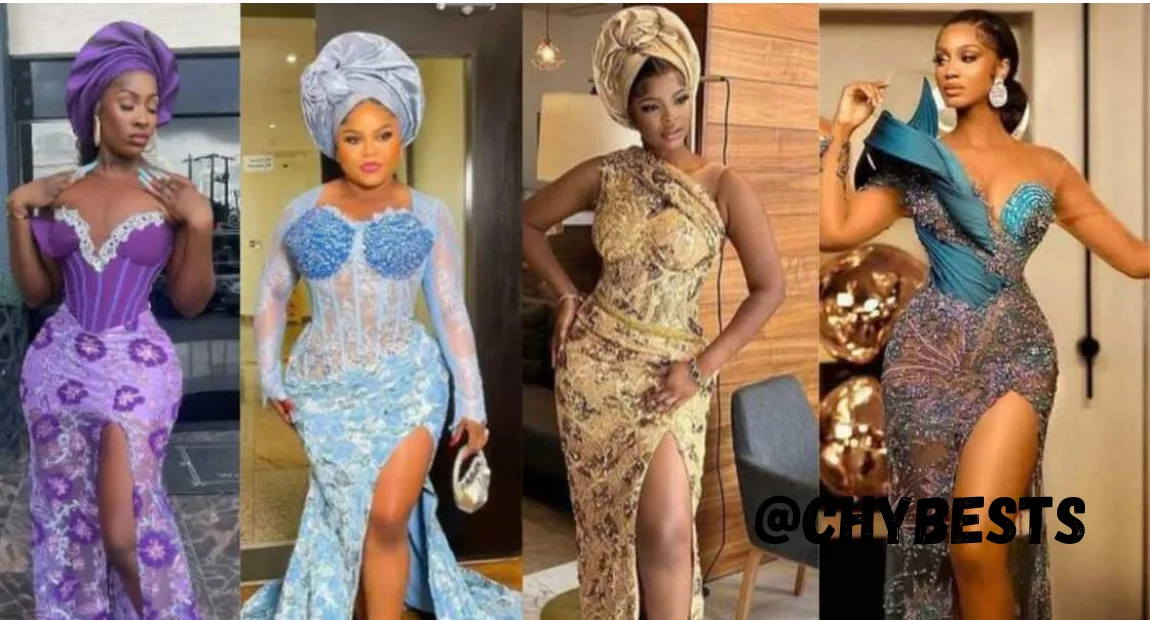
One of the most iconic pieces of the 19th century was the corset, which created a cinched waist and defined silhouette. While the rigid structure of historical corsets is not common in everyday wear, the concept of highlighting the waist has never disappeared. Modern fashion continues to adapt this look through structured tops, waist belts, and dresses that create an hourglass shape. The idea of shaping the body through fashion, though now done with more comfort and flexibility, is a direct continuation of 19th-century influence.
The Rise of the Three-Piece Suit
The three-piece suit became widely popular in the 19th century, offering men a complete and uniform style that balanced practicality with elegance. The suit included trousers, a waistcoat, and a jacket, often paired with accessories such as a cravat or tie. This trend has remained almost unchanged in its core design. Even in today’s fashion, the three-piece suit represents professionalism, confidence, and timeless elegance. It is worn at business events, formal occasions, and even adapted in modern creative industries as a sign of refined personal style.
Romantic Influence in Fabrics and Details
Another trend from the 19th century that continues today is the romantic use of fabrics and decorative details. Ruffles, lace, embroidery, and flowing layers were hallmarks of this era. These elements were not only about beauty but also about social expression. Modern designers frequently revisit these details in evening gowns, blouses, and wedding dresses. Lace in particular remains a material of choice for elegance, often used in bridal wear, high fashion, and even casual pieces that add a touch of refinement.
Outerwear with Lasting Impact
The 19th century was also the time when coats and jackets became highly structured and central to an outfit. Overcoats, frock coats, and capes were common, each adding both style and practicality. Today, outerwear continues to carry strong influence from this era. Modern trench coats, long wool coats, and tailored jackets all stem from 19th-century principles of structure and form. These garments remain popular because they balance elegance with function, making them staples across seasons and cultures.
Accessories as Statements
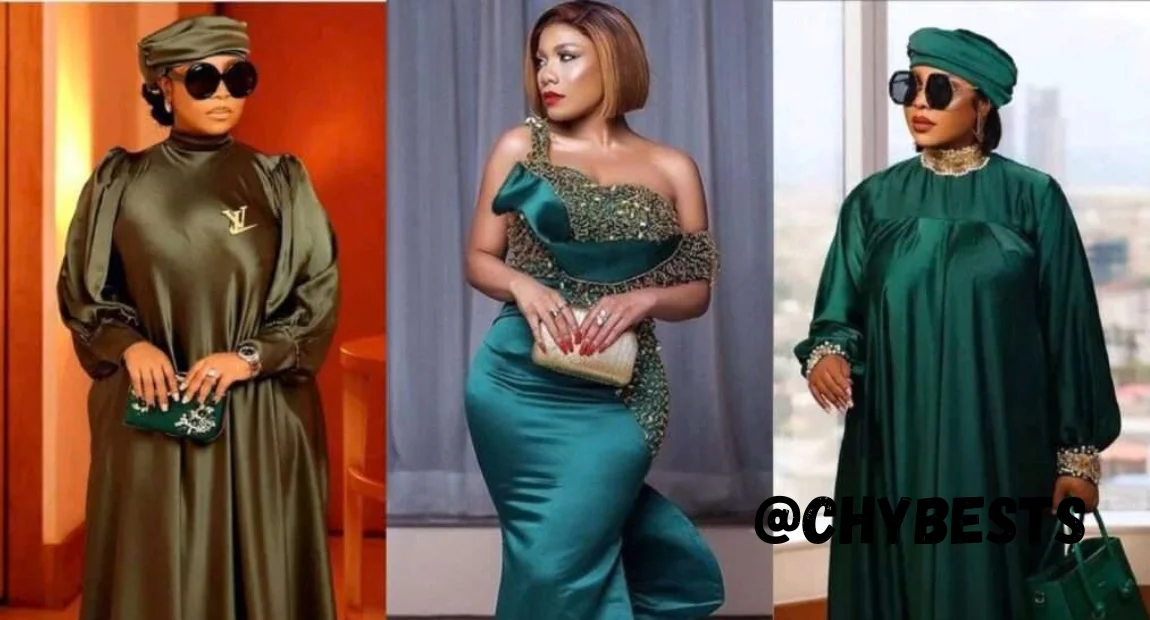
In the 19th century, accessories were more than just additions. Gloves, hats, and walking sticks played an important role in style and social status. While not all of these remain common today, the concept of accessories as statement pieces is still alive. Hats, belts, and jewelry continue to shape how outfits are completed. For example, wide-brimmed hats and gloves are still worn for certain occasions, while jewelry has evolved into an essential daily form of personal expression.
The Influence of Victorian Modesty
Victorian fashion was known for modesty, with high collars, long sleeves, and covered silhouettes. While today’s fashion is more diverse and expressive, the Victorian sense of modest dressing continues to inspire certain styles. High-neck blouses, long flowing dresses, and structured coats draw on this influence. The appeal lies in creating sophistication through covered forms while still focusing on elegance. This trend has been reimagined in both conservative wear and high fashion, showing its adaptability.
Conclusion
Many fashion trends come and go, but the 19th century gave the world a foundation that still shapes modern style. Tailoring, the hourglass silhouette, the three-piece suit, romantic fabrics, structured outerwear, and accessories as statements remain key influences.
While the exact forms have changed for comfort and modern needs, the principles of elegance, detail, and structure continue to guide designers and wearers today. The relevance of 19th-century fashion is proof that true style never disappears, it only adapts to new times while keeping its core beauty alive.
Related Articles to Read on:
What is the Christmas Fashion Trend of 2025 in the UK?
What Are the Must-Have Summer Accessories in the UK?

Leave a Reply