
Finding your personal fashion style is not just about following trends but about understanding what makes you feel confident and comfortable. The way you dress reflects your personality, mood, and how you want others to see you. Many people struggle with defining their fashion style because of the wide range of clothing options available. However, once you understand your body type, preferences, and lifestyle, it becomes easier to discover what truly suits you. Personal style is built over time through observation, experimentation, and self-awareness.
How to Understand Your Body Type
The first step in identifying your fashion style is understanding your body type. Clothes should flatter your natural shape, highlight your best features, and create balance. Common body types include hourglass, pear, apple, rectangle, and inverted triangle.
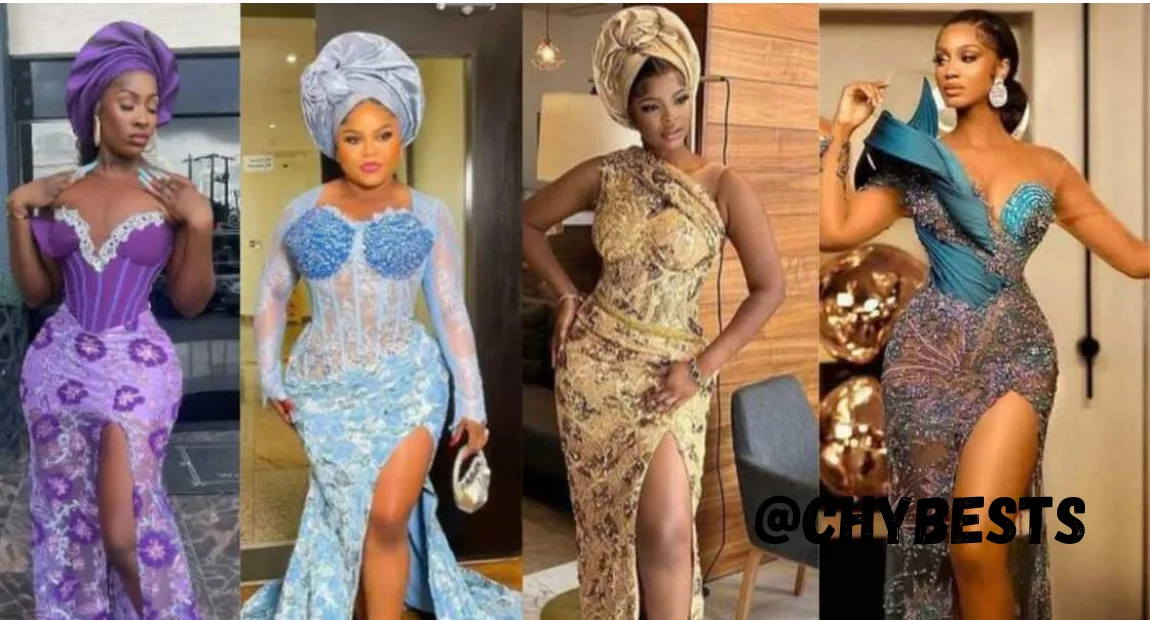
For an hourglass shape, clothes that define the waistline and follow the natural curves tend to work best. Fitted dresses, wrap tops, and high-waist trousers enhance this body type.
Pear-shaped individuals usually have wider hips and a smaller upper body. Outfits that draw attention to the shoulders and waist create balance. A-line skirts, wide necklines, and structured tops are great options.
For an apple shape, the goal is to define the waist and elongate the body. Flowing tops, empire-waist dresses, and V-neck designs help create structure.
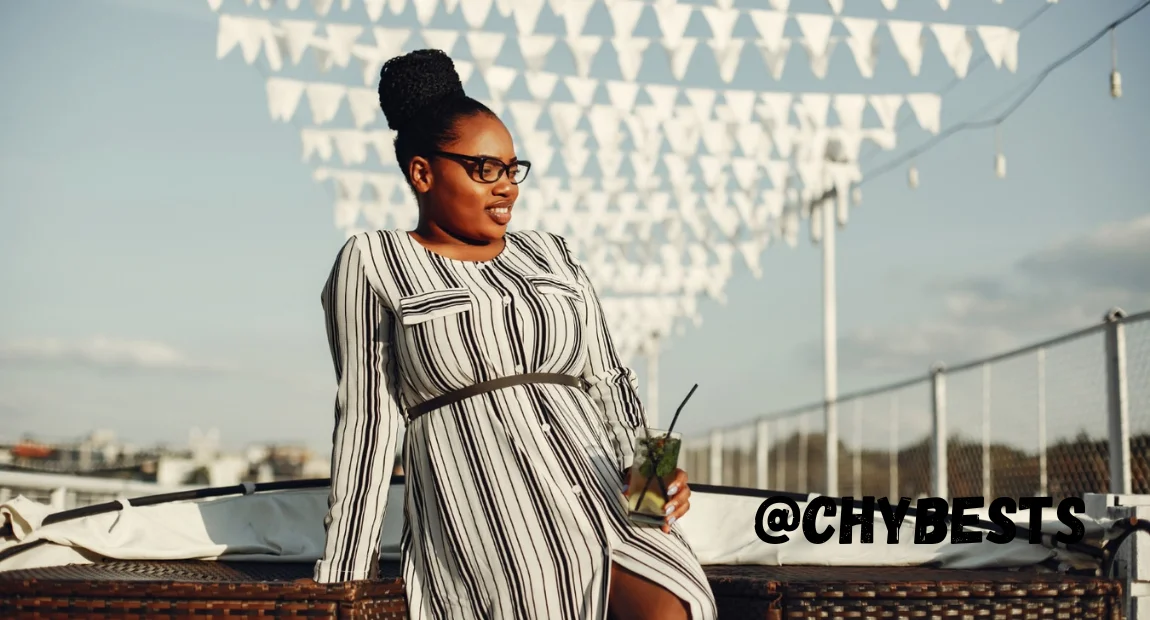
If you have a rectangle shape with even proportions, focus on adding definition through belts, layered clothing, and peplum tops.
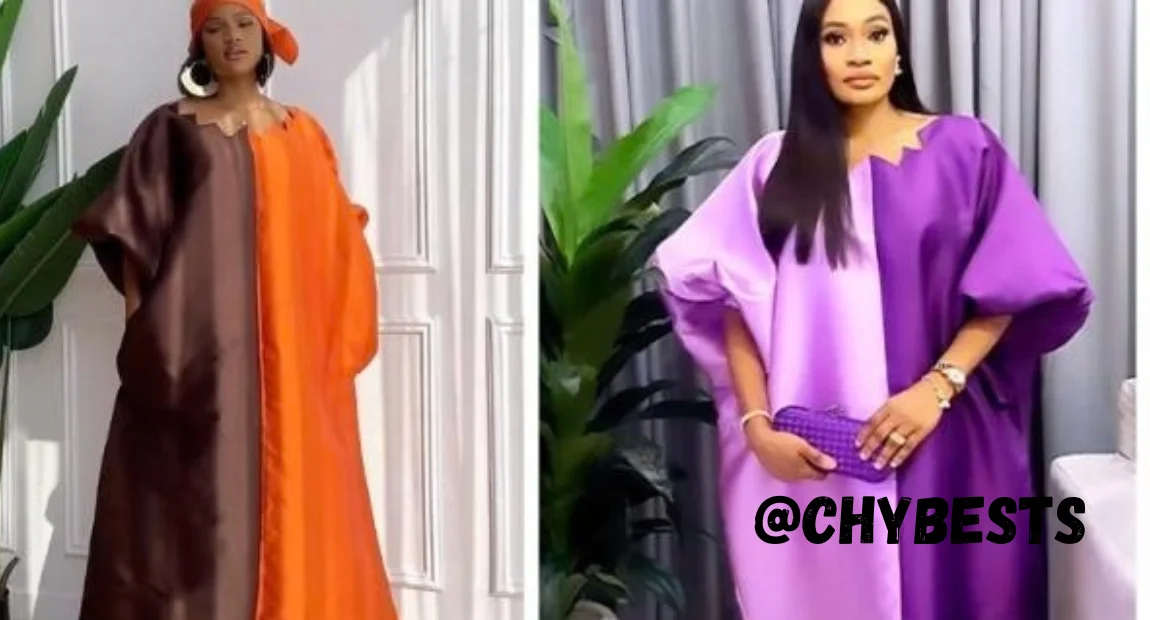
An inverted triangle shape benefits from outfits that soften the shoulders and add volume to the hips, such as flared skirts or flowy pants.
Understanding your body shape helps you choose styles that complement your proportions instead of working against them.
How to Recognize Your Lifestyle
Your daily activities influence what fashion style suits you. The clothes you wear should match your environment and how you spend most of your time. A person working in an office might prefer structured and polished outfits, while someone in a creative field could choose relaxed or expressive clothing.
If you have an active lifestyle, comfort should be a priority. Casual styles such as athleisure or minimal wear allow easy movement while maintaining a neat look. For those who attend frequent formal or business events, classic and tailored outfits offer a refined appearance.
When you choose clothing that fits your lifestyle, you feel more comfortable and confident because your outfit aligns with your routine.
Exploring Different Fashion Styles
There are several fashion styles, and identifying which one fits you best can take time. The key is to notice what you naturally gravitate toward and what makes you feel most comfortable.
A classic style focuses on timeless pieces that never go out of fashion. Neutral colors, tailored cuts, and simple accessories define this look. People with this style prefer clean lines and quality fabrics over fast-changing trends.
A casual style is relaxed and effortless. It includes jeans, T-shirts, sneakers, and comfortable dresses. This look is easy to maintain and suitable for everyday wear.
The chic style emphasizes elegance with modern, polished looks. It features monochromatic tones, statement accessories, and sleek silhouettes.
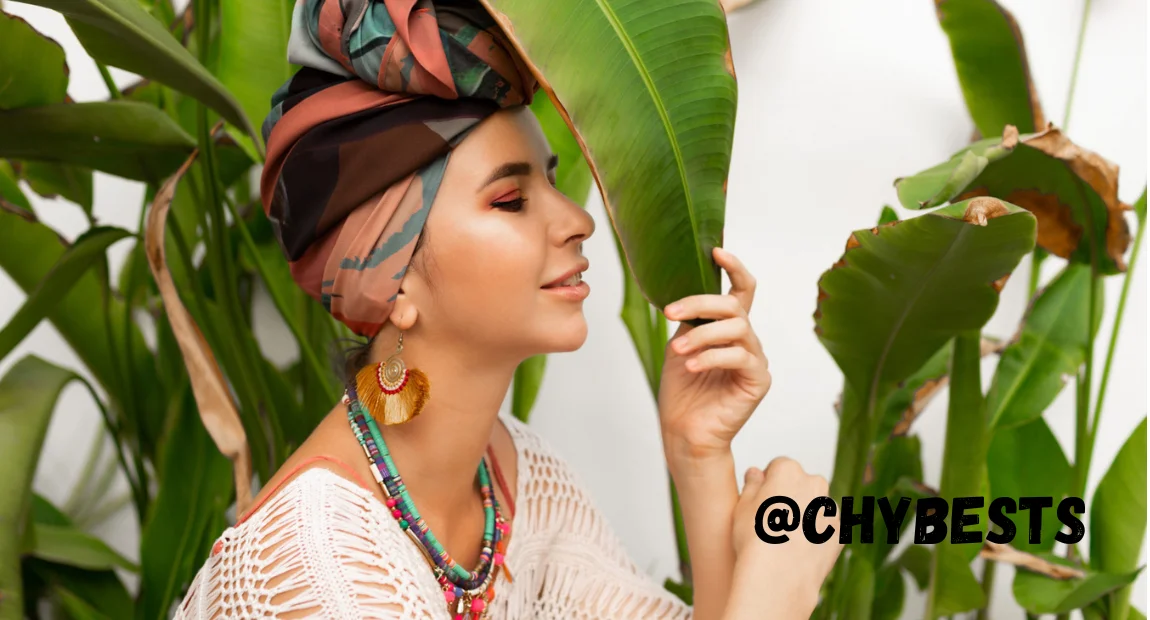
For those who love creativity and individuality, a bohemian style may be ideal. It combines earthy tones, loose fabrics, and unique patterns.
The edgy style stands out with bold colors, leather jackets, and statement boots. It reflects confidence and independence.
The minimalist style focuses on simplicity and neutral tones. It values quality over quantity, with each piece chosen for its function and fit.
Trying different styles helps you find what resonates most with your personality and comfort level.
Considering Color and Fabric
Color and fabric play a major role in determining what suits you. Different colors complement different skin tones, and certain fabrics drape differently on various body shapes.
Warm skin tones often look best in earthy shades such as browns, reds, yellows, and olive greens. Cool skin tones suit colors like blue, purple, and gray. Neutral tones like beige, white, and black complement most complexions.
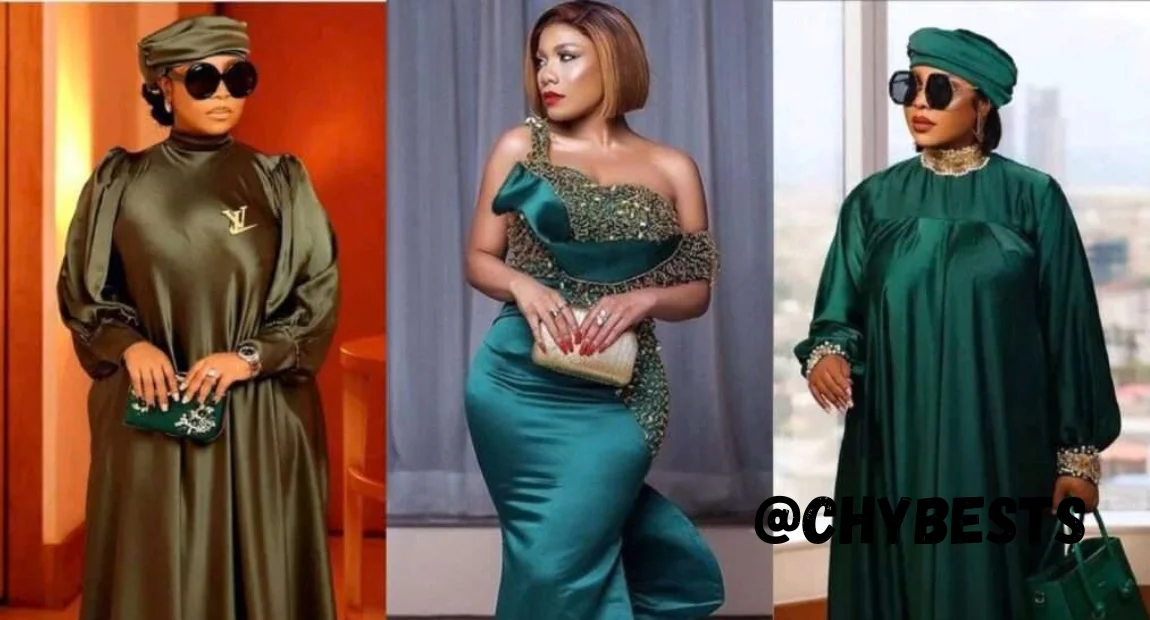
Lightweight fabrics like cotton and linen are perfect for casual and warm weather wear, while structured materials such as wool and tweed work well for professional or formal outfits. Fabrics that drape softly, like silk or chiffon, add movement and elegance.
Balancing Comfort and Confidence
A true sense of style is built on comfort and confidence. You should always feel good in what you wear. Outfits that restrict movement or feel uncomfortable will affect how you carry yourself. It is better to choose clothes that allow ease while still appearing neat and intentional.
Confidence grows when you wear clothes that express your identity. If a particular outfit makes you stand taller and feel more comfortable, it likely fits your personal style.
Building a Wardrobe Around Your Style
Once you identify what suits you, start building a wardrobe that reflects your preferred fashion direction. Choose versatile pieces that can be mixed and matched for different occasions. Invest in quality basics such as a well-fitted pair of jeans, a white shirt, a blazer, and comfortable shoes. Add a few statement pieces that show your personality, like printed dresses or bold accessories.
Avoid overcrowding your wardrobe with items that do not align with your style or body type. Each piece should have a purpose and complement the rest of your clothing.
Learning from Inspiration
Observing others can help refine your taste. Notice what styles appeal to you when you see them on others, whether on the street, in magazines, or through social settings. This does not mean copying someone else’s look but learning how certain combinations work. Inspiration helps you adjust and personalize outfits to suit your own shape and comfort.
Seasonal Adjustments
Your personal style should remain consistent even as you adapt to seasonal changes. For warmer months, lighter fabrics and relaxed silhouettes keep you comfortable. In colder seasons, layering helps maintain your style while adding warmth. A consistent color palette throughout the year keeps your wardrobe cohesive.
Self-Expression Through Fashion
Fashion is a form of self-expression. The way you dress communicates who you are before you even speak. Whether your style is bold, simple, or classic, it should reflect your personality. Dressing to please yourself instead of following every trend allows your confidence to shine.
It is important to remember that personal style evolves over time. As your preferences, environment, and lifestyle change, so will your wardrobe. Stay open to experimenting with new ideas while keeping your core preferences intact.
Conclusion
Understanding what fashion style suits you begins with knowing your body shape, lifestyle, and comfort preferences. Style is not about wearing expensive clothes but about finding pieces that fit, flatter, and express your individuality. Experiment with different designs, colors, and fabrics until you discover what feels right. Once you identify your unique fashion direction, dressing becomes easier, more intentional, and more enjoyable. A well-defined personal style gives you confidence, helps you stand out naturally, and ensures you always look and feel your best.

Leave a Reply