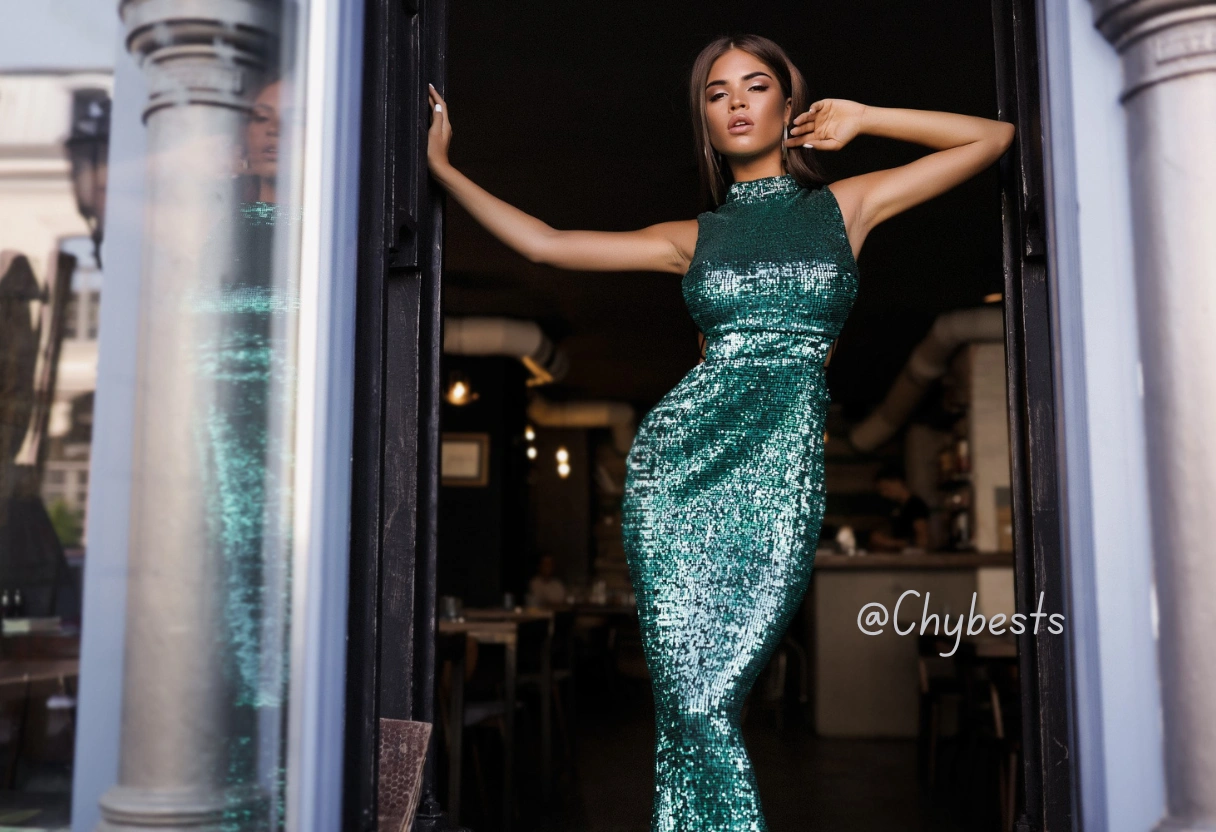
A cocktail dress for women is one of the most recognized categories of semi-formal clothing. It is designed for events that require a polished look but do not demand the full formality of an evening gown. Cocktail dresses bridge the gap between casual daywear and formal evening wear, making them versatile and essential in modern wardrobes. Their history, design, and use in social settings have shaped how women present themselves at occasions that call for elegance and style without excess.
The Definition of a Cocktail Dress
A cocktail dress is typically a short to mid-length dress that is elegant yet practical. It is usually knee-length but can also fall slightly above or below the knee depending on the style. Unlike a ball gown or floor-length evening dress, the cocktail dress is lighter, more versatile, and easier to move in, making it perfect for social gatherings, weddings, receptions, or formal dinners. The purpose is to provide a balance between refinement and comfort.
Historical Origins of the Cocktail Dress
The cocktail dress first gained popularity in the 1920s and 1930s when social events such as afternoon parties and evening gatherings became more common. Designers began creating dresses that allowed women to look elegant without being weighed down by heavy formal gowns. By the 1950s, the cocktail dress had become a staple in fashion, representing sophistication and social elegance. This history explains why the garment remains strongly associated with class and style today.
Key Features of a Cocktail Dress
The cocktail dress is defined by certain design elements. It is often tailored with clean lines, structured bodices, and elegant fabrics. Hemlines typically rest around the knee, providing enough coverage for modesty while keeping the outfit light and chic. Fabrics such as silk, satin, chiffon, velvet, and lace are commonly used because of their refined appearance. Necklines may vary, from strapless and off-the-shoulder to halter or high-neck styles. These features allow cocktail dresses to suit different personalities and body shapes.
Fabrics and Textures
The fabric of a cocktail dress plays an important role in its overall impact. Lighter fabrics such as chiffon or organza are suited for warmer climates and daytime events. Richer fabrics like velvet or brocade are often chosen for evening gatherings or colder seasons. Lace detailing adds femininity, while satin and silk provide a sleek, smooth finish. The choice of fabric determines how formal or casual the cocktail dress will appear, making it adaptable for a range of occasions.
Colors and Patterns
While black remains a timeless and classic choice, cocktail dresses now come in a wide range of colors. Jewel tones such as emerald, ruby, and sapphire create bold statements, while neutral shades like beige, navy, and ivory give a subtle and refined look. Patterns such as florals or geometric prints add variety, though solid colors are often preferred for formal settings. The versatility of colors allows women to select dresses that align with both personal style and event expectations.
Styling a Cocktail Dress
Styling a cocktail dress involves careful attention to accessories, shoes, and outerwear. Classic pumps or strappy heels are the most common footwear choices, as they enhance the dress’s elegant silhouette. Accessories should complement rather than overpower the outfit. A clutch bag, delicate jewelry, or a slim belt can elevate the look without making it appear crowded. For cooler weather, pairing a cocktail dress with a tailored blazer, shawl, or wrap maintains elegance while providing comfort.
Appropriate Occasions for a Cocktail Dress
Cocktail dresses are suited for a wide range of events. They are often worn to wedding receptions, formal dinners, theater outings, holiday parties, and social gatherings where semi-formal attire is requested. Unlike casual dresses, they present a polished image, but they remain more comfortable and versatile than long gowns. This balance makes them one of the most practical and reliable clothing choices for women in social and formal spaces.
The Difference Between Cocktail and Evening Dresses
It is important to distinguish between cocktail dresses and evening gowns. Evening dresses are usually floor-length and reserved for black-tie events, while cocktail dresses stop around the knee and are used for semi-formal occasions. The shorter length of a cocktail dress allows greater freedom of movement and is often seen as more modern and versatile. This distinction helps women choose the right outfit based on the formality of the event.
Modern Trends in Cocktail Dresses
Modern fashion continues to update the cocktail dress. Designers experiment with asymmetrical hemlines, cutouts, and layered fabrics to give fresh appeal. Sustainable fabrics and minimalist designs are gaining popularity, reflecting current values in fashion. While the classic black cocktail dress remains timeless, bolder colors and unique details allow women to express individuality while respecting the dress code. These trends show that the cocktail dress is not only traditional but also adaptable to modern style.
Why is Cocktail Dress Important?
The cocktail dress holds significance because of its practicality and symbolic meaning. It represents readiness for social interaction and elegance without extravagance. It is a garment that reflects both tradition and adaptability, making it an enduring choice across generations. For women, owning a cocktail dress means having a reliable option for a wide variety of events, ensuring confidence and appropriate presentation at all times.
Conclusion
A cocktail dress for women is a semi-formal garment that combines elegance, practicality, and versatility. Defined by its knee-length cut, refined fabrics, and timeless design, it has served as a style staple for nearly a century. Its history, adaptability in fabric and color, and role in social events explain why it remains essential in fashion. From classic black dresses to modern interpretations, the cocktail dress continues to offer women a way to balance sophistication with comfort, making it one of the most valuable pieces in any wardrobe.
Related Articles to Read on:
What is Smart Casual Dress Code for Women?
How to Wear a Dress Shirt for Women


Leave a Reply