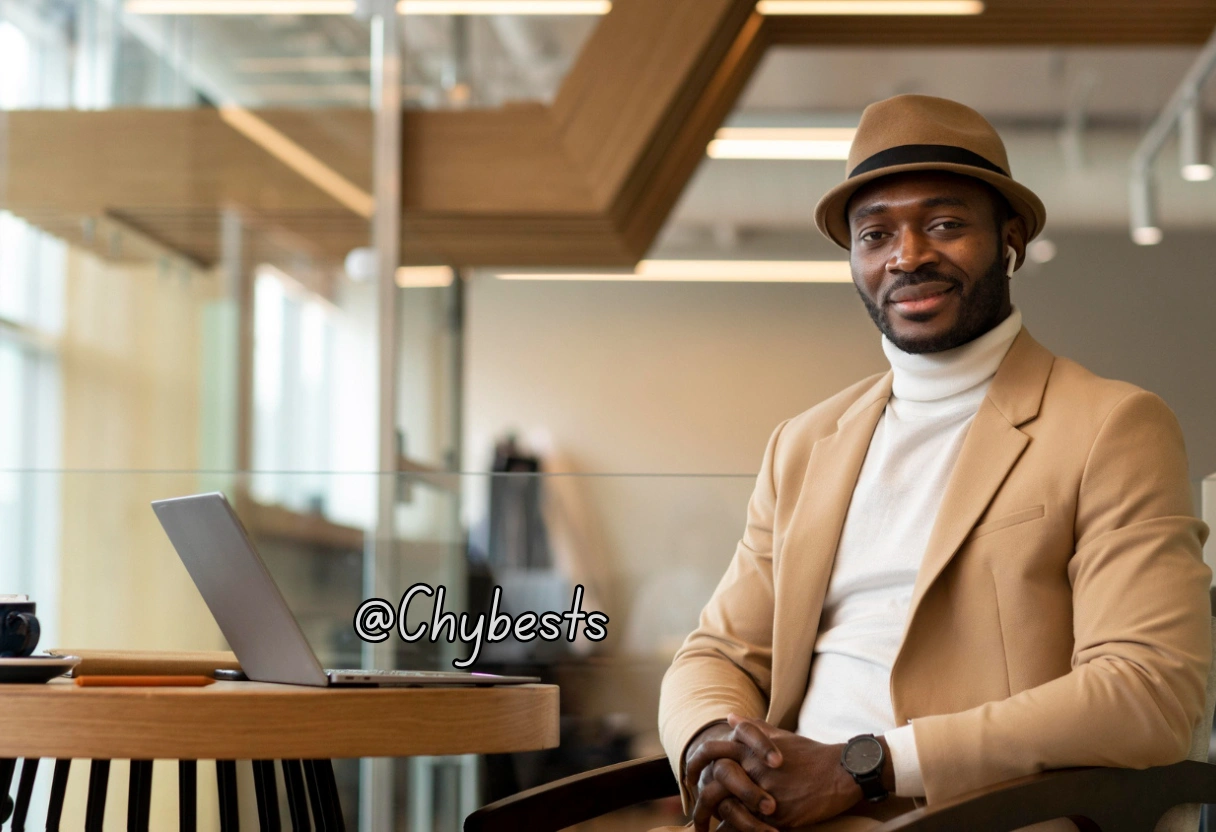
Interviews are the first step to presenting yourself as a strong candidate. Your skills and experience matter, but how you appear also creates a lasting impression. Choosing the right outfit shows respect for the opportunity and reflects professionalism. The right clothing should match the type of role, the culture of the company, and the level of formality expected. Dressing well does not mean wearing the most expensive items but choosing clean, well-fitted pieces that make you look prepared and confident.
Why does a Clothing Choice Matter for an Interview?
An interview outfit communicates before you speak. It shows how serious you are about the position and whether you understand workplace standards. Employers notice attention to detail, and clothing is part of that detail. Proper dress gives confidence to both the interviewer and the candidate. It helps the discussion focus on skills and ability instead of distractions caused by untidy or inappropriate clothing.
The Best Outfits for an Interview
1. Classic Business Formal Wear
For traditional sectors such as banking, law, or corporate management, business formal wear is still the safest choice. Men usually wear a tailored suit in dark colors like navy, charcoal, or black with a pressed shirt and tie. Shoes should be polished leather in black or dark brown. Women often choose a pantsuit or skirt suit with a blouse in neutral tones. Closed-toe shoes with a moderate heel or flat are preferred. Accessories remain minimal, such as a simple watch or stud earrings. Business formal dress signals reliability and respect for professional culture.
2. Business Casual

Not every interview calls for a full suit. In industries such as marketing, education, or creative roles, business casual is often more fitting. Men can wear slacks or chinos with a button-down shirt, adding a blazer if needed. A tie may not be required, but the overall look should remain neat. Women can opt for tailored trousers, a blouse, or a professional dress with a cardigan or blazer. Shoes should still be clean and formal, such as loafers or modest heels. Business casual offers comfort while keeping professionalism intact.
3. Smart Casual

In start-ups, tech companies, and design studios, the dress code may lean toward smart casual. This style bridges polished and relaxed dressing. Men can wear dark jeans or trousers with a shirt or smart polo, paired with clean sneakers or loafers. Women might choose tailored jeans with a blouse, a simple dress, or a skirt with a top. The key is to avoid looking careless. Even in relaxed environments, items must be neat, wrinkle-free, and thoughtfully chosen.
4. Dresses and Skirts for Women
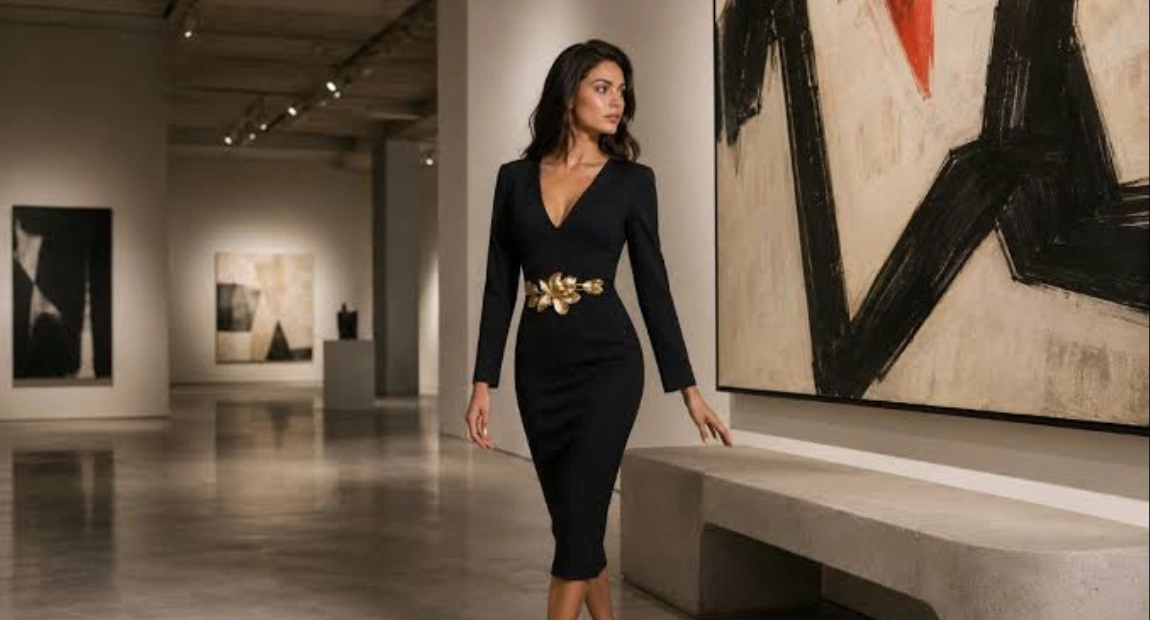
When choosing a dress or skirt for an interview, length and fit matter. A knee-length dress or skirt is usually safe. Fabrics should be structured but not overly stiff, such as cotton blends or lightweight wool. Avoid very short hemlines, deep cuts, or overly tight fits. Neutral shades like black, navy, beige, or soft patterns create a balanced look. Adding a blazer can bring extra structure and polish.
5. Shirts and Tops
Shirts and tops should be plain, fitted, and modest. Crisp cotton shirts in white, pale blue, or soft grey always work. For women, blouses in silk or polyester blends add variety while staying professional. Avoid loud prints, slogans, or anything too sheer. Collars, cuffs, and seams should be pressed. A simple, neat top makes you look tidy and prepared.
6. Footwear Choices
For men, leather shoes in black or brown are standard. They should be well-kept with clean laces and polished surfaces. Women can wear closed-toe pumps, block heels, or flats. Sandals, flip-flops, or very high heels are not suitable. Even in smart casual settings, clean sneakers only work if they are minimal and in neutral colors. Comfortable but smart footwear allows confidence while walking into the room.
Factors to Consider When Styling
1. Grooming and Presentation
Clothing alone is not enough. Grooming must match the outfit. Hair should be clean and styled neatly. Facial hair for men should be trimmed. Nails should be short and clean, with minimal polish for women. Fragrance should be light or avoided, as strong scents can distract. Carry a clean bag or folder for documents instead of loose papers. A polished overall look shows attention to detail.
2. Matching Outfit to Company Culture
Researching the company helps in choosing what to wear. A corporate office expects suits, while a design studio may allow relaxed outfits. Dressing slightly more formal than everyday staff shows respect but also flexibility. For example, if employees wear jeans and t-shirts, aim for chinos and a shirt instead. The goal is to align with the company style without losing professionalism.
3. Comfort and Confidence
The best outfit is one that you feel comfortable wearing. Clothing should fit well, without being too tight or loose. When you are comfortable, body language improves, and confidence shows. Try the full outfit before the day of the interview to check for fit, movement, and coordination. Sit, stand, and walk in the clothes to make sure nothing feels awkward. Comfort combined with professional style helps focus fully on the interview.
4. Common Mistakes to Avoid
Certain choices can harm an impression. Bright flashy colors, overly casual clothes like shorts or hoodies, or outfits with wrinkles can suggest lack of preparation. Heavy accessories, strong perfumes, and unpolished shoes also send the wrong message. It is better to be slightly overdressed than to appear underdressed.
Conclusion
Deciding what to wear for an interview depends on the industry, role, and company culture. Business formal suits are safest for corporate settings, while business casual and smart casual are suited to creative or modern workplaces. Clean grooming, neat footwear, and simple accessories complete the look. Above all, choose clothes that balance professionalism and comfort. The right outfit allows you to present yourself confidently and keeps attention on your skills and experience, which is the true goal of any interview.
Related Articles to Read on:
What Can I Wear Under a See-Through Dress?
What Can I Wear to ABBA Voyage?
Leave a Reply