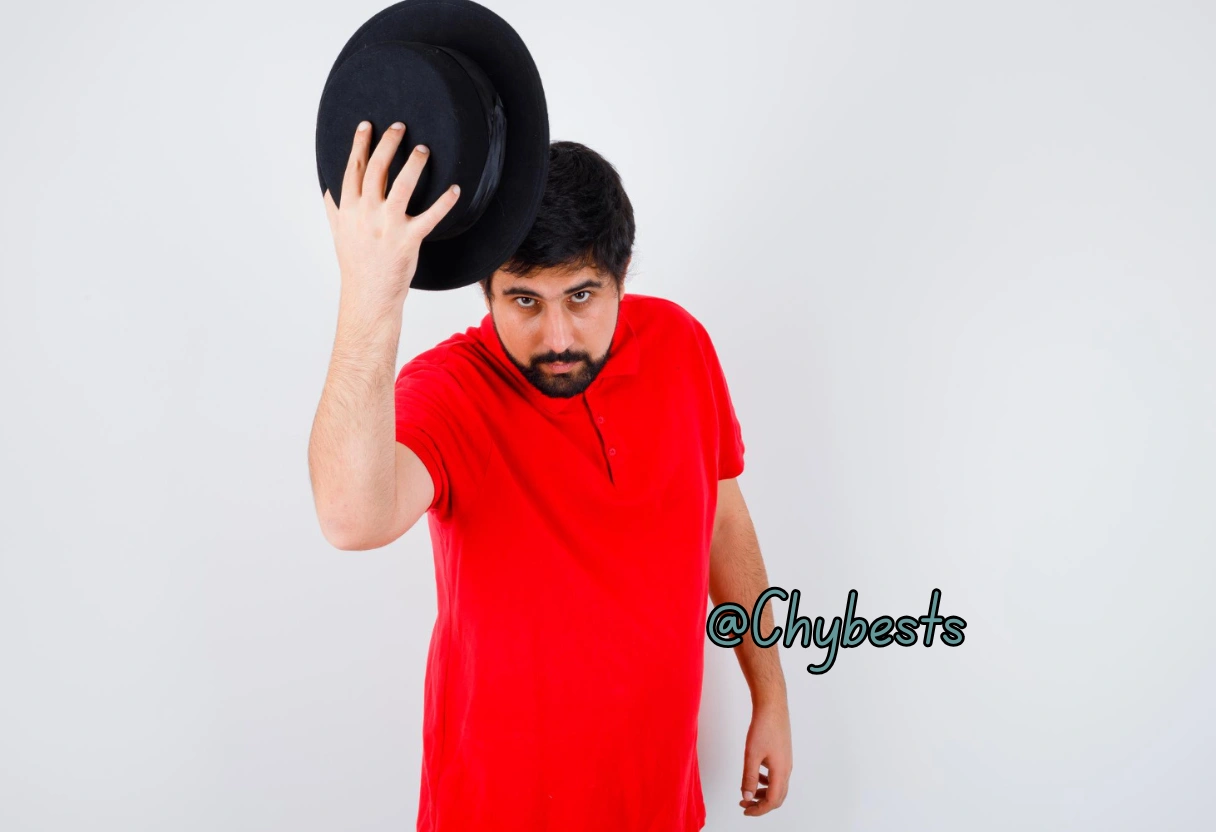
In recent fashion seasons, one of the most striking style shifts has emerged not in clothing or shoes, but in headwear. Bizarre hats, ranging from oversized cowboy hats to pillbox, ruffled, and sculptural designs have suddenly surged in popularity across runways, red carpets, and streetwear scenes.
This is not a random occurrence. Instead, it is a reflection of larger movements within fashion, pop culture, and digital influence. Major fashion houses are embracing maximalism. Celebrities are making bold styling choices. And viral moments online are turning otherwise niche accessories into widespread phenomena.
This article explores the real reasons behind the rising popularity of bizarre hats in 2026, highlighting runway trends, celebrity influence, social media impact, cultural nostalgia, and the growing demand for personalized fashion statements. Whether you’re a designer, stylist, or fashion enthusiast, understanding the layers behind this trend offers key insights into what modern consumers want and how fashion is evolving.
Runway-Driven Statement Accessories
Designers have always set the tone for upcoming fashion directions, and hats have become a standout element of recent collections. In the Fall 2025 and Fall 2026 seasons, labels such as Prada, Chanel, Armani, and Anna Sui showcased hats not as subtle accents but as central pieces of entire outfits. Wide-brim hats, angular forms, and eccentric textures all featured prominently on major runways.
This shift aligns with the return of statement dressing. Accessories that once played a supporting role are now crafted to be visually dominant. Hats are being sculpted, layered, and exaggerated to deliver that exact effect. When top brands invest in hats with theatrical flair, the trend naturally filters into both high fashion and street style.
The Loud Luxury Movement
Another reason for the rise of bizarre hats is the broader fashion movement often referred to as “loud luxury.” This trend emphasizes big, noticeable details such as oversized logos, high-contrast prints, and unconventional shapes. Loud luxury is not just about looking expensive. It’s about standing out and being seen.
In this context, bizarre hats function as ideal symbols of personal branding. They immediately catch the eye, create conversation, and suggest a sense of fashion confidence. For individuals navigating social platforms and public events, this kind of visual impact is highly desirable.
Viral Influence and the Social Media Effect
Platforms like TikTok, Instagram, and Pinterest play a huge role in amplifying niche fashion trends. A single viral moment can take a once-obscure fashion item and push it into mainstream visibility.
For example, at the Met Gala, Zendaya’s dramatic hat sparked thousands of TikTok reactions and memes, collectively referred to as the “Zendaya hat theory.” This moment alone generated curiosity and demand for eccentric headwear. Social media doesn’t just accelerate trends, it redefines them. With the ability to reach millions of users in hours, a quirky hat can become a fashion staple almost overnight.
Celebrity Endorsements and Red-Carpet Styling
Bizarre hats are being embraced by celebrities across music, film, and fashion. Beyoncé, for instance, played a major role in boosting the appeal of cowboy hats through her Cowboy Carter album visuals and tour aesthetics. Pamela Anderson turned heads with her animal-print pillbox hat during recent fashion week appearances.
Red carpet moments influence how people view wearable art. When a celebrity steps out in an exaggerated or nostalgic hat, stylists and fans take note. These choices ripple through fashion editorials, retail trends, and festival wear within months.
Festival Fashion and Event Culture
In 2026, events like Coachella, Glastonbury, and Afropunk are not just music festivals, they are fashion playgrounds. Attendees treat their looks as editorial-level showcases, and hats have become integral to those statements.
Cowboy hats, fuzzy bucket hats, and embellished vintage styles are all frequent choices. These festivals offer a chance for people to experiment with looks they might not wear day-to-day, allowing eccentric hats to thrive in these creative, celebratory spaces.
Nostalgia and Style Revivals
Bizarre hats also benefit from cultural nostalgia. Trucker hats from the early 2000s, western headgear from old Hollywood, and Y2K silhouettes have all made comebacks. These revivals are not simply about reusing old styles, they reinterpret them with fresh fabrics, colors, and proportions.
Fashion cycles naturally favor reinterpretation. By reimagining old hat styles with bold updates, designers and wearers alike tap into sentimentality while pushing forward.
The Personalization and DIY Fashion Movement
Another key driver of this trend is the growing appetite for self-expression in fashion. In an era where mass-produced garments dominate the market, consumers are turning toward unique or limited-edition pieces to stand out. Customized hats featuring hand-stitched logos, painted panels, or recycled materials offer individuality in an increasingly saturated space.
Online marketplaces and fashion startups are responding with customizable hat options, while influencers share DIY tutorials to help fans create their own one-of-a-kind pieces.
Fashion Retail and Market Shifts
Retail data supports the trend. Hat sales, especially those with unusual construction or high-impact colors, have spiked in both luxury and fast fashion sectors. Brands that once limited their hat offerings to seasonal basics are now rolling out capsule collections that focus solely on headwear.
Fashion analysts point to increased consumer willingness to experiment with accessories as a response to a post-pandemic style reset. With people returning to events, travel, and social engagements, demand for standout pieces like bizarre hats is rising steadily.
Conclusion
The surge in popularity of bizarre hats is far from accidental. It reflects a complex mix of designer strategy, pop culture influence, digital media dynamics, and shifting consumer values. Today’s fashion audience seeks expression, originality, and conversation-starting pieces and hats meet that demand in a highly visible way.
From high fashion runways to music festivals and viral online moments, bizarre hats have transformed from niche accessories into fashion essentials. As the industry continues to embrace bold, creative styling, this headwear trend is not only here to stay, but also redefining how people approach personal style in 2026 and beyond.
Recommended Posts:
What is Inflatable Fashion and is it Wearable?
Is Mismatched Shoe Fashion Here to Stay?
Leave a Reply