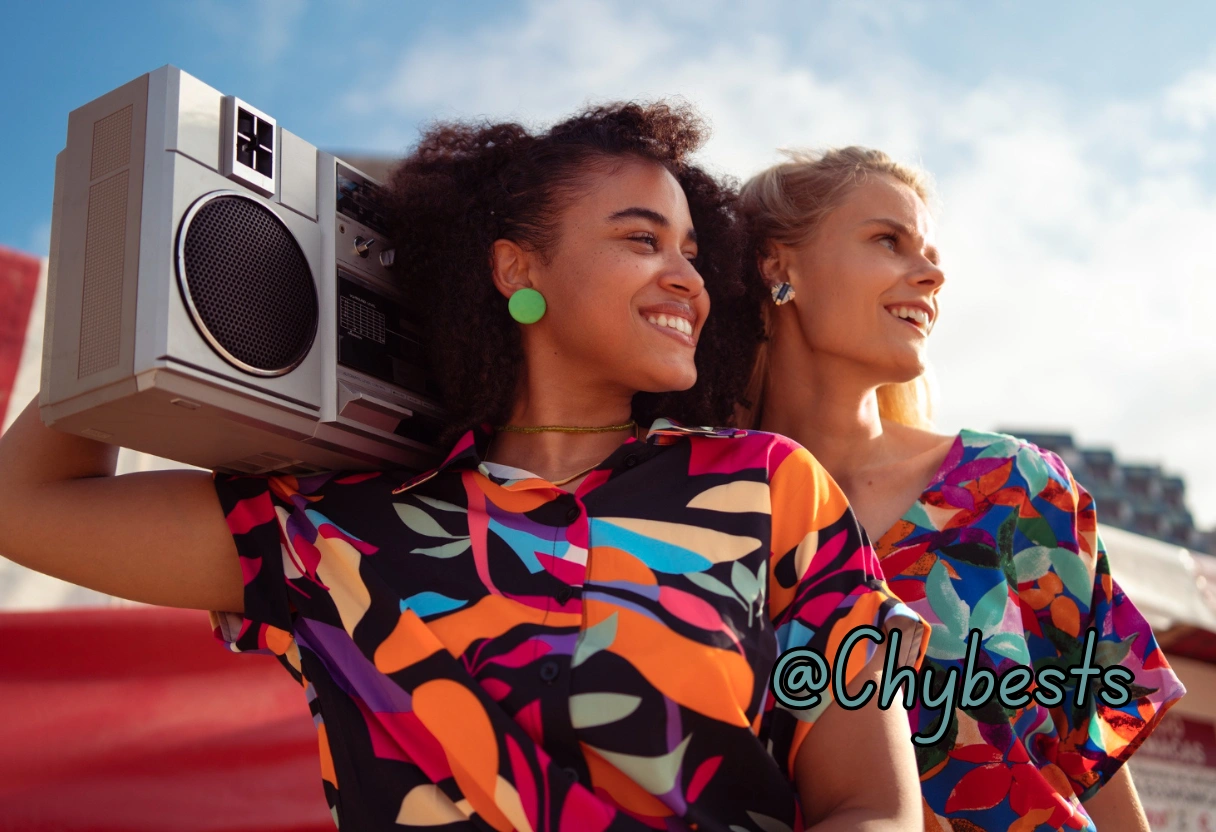
The 1980s was a period in the history of women’s fashion, and a decade that was more about style choices, shapes, and cultural identity. Women’s clothing in the 1980s portrays confidence, power, and freedom, plus trends were influenced by television, music videos, street culture, and workplace. Designers explored volume, color, well-designed, and new fabric technology. This article breaks down the main elements of women’s fashion in the 1980s, focusing on what made this era stood out and how its influence is in today’s trends.
Power Dressing and Suit Culture
One of the most dominant trends in 1980s fashion was power dressing. Women entered professional spaces in greater numbers and adapted their clothing to show authority and confidence. The typical power suit consisted of a well-styled blazer with large shoulder pads, a fitted waist, and matching high-waisted trousers or a pencil skirt.
Dark colors were common, and wool blends or heavy synthetic fabrics gave the suits form and weight, and blouses with bows or ruffled collars were layered under the jackets. This combination became more than fashion rather strength and ambition, especially in business environments.
High-Waisted and Pleated Trousers
Trousers gained place in women’s wardrobes during the 1980s and high-waisted styles became the standard. These trousers have pleats and tapering at the ankle. Materials ranged from fabric to cotton, depending on the setting. Trousers in this era were no longer just functional; they were a main part of an outfit and were styled with tucked-in tops, fitted jackets, or oversized sweaters.
Acid-Wash Denim and Stonewashed Jeans
Denim styles in the 1980s changed significantly from how they looked and were worn in previous decades. Instead of just being simple workwear or plain blue jeans, denim became a fashion statement. Treatments like acid-washing and stonewashing gave denim a faded, rough, and more eye-catching look. Jeans were made in high-waisted, tapered, or even baggy cuts, and were worn as part of outfits moved by trends.
Parachute Pants and Streetwear Influence
Streetwear styles started gaining attention in the 1980s with one of the standout items being parachute pants. The dress was originally inspired by breakdancing culture, these nylon trousers were lightweight, featured zippers or pockets, and had a baggy shape with narrow ankles. The pants made a distinct sound when moving and quickly became a fashion symbol for active and urban lifestyles.
Stirrup Pants and Legging-Inspired Styles
Stretch fabrics became more available in the 1980s, allowing leggings and stirrup pants to rise in popularity. Stirrup pants had a band that looped under the foot to keep the trousers in place. These pants were typically tight-fitting and made from spandex or Lycra. They came in good colors or prints and was frequently worn with oversized sweaters, tunics, or jackets.
Cigarette Trousers and Minimalist Lines

Cigarette trousers, with their slim and cropped cut, offered a more option despite that their length is just above the ankle and followed the natural leg line. They were often seen in neutral tones and styled with blouses or simple tops and their little design made them suitable for formal settings or semi-casual wear.
Harem Pants and Palazzo Styles

Loose-fitting trousers also found a place in the 1980s featured a low crotch and gathered ankles, often styled with belts or fitted tops. Palazzo pants, on the other hand, were wide legged from waist to hem and made from soft flowing materials. These styles offered comfort and movement. They were worn as part of bohemian, vacation, or relaxed daywear outfits.
Leather Pants and Metallic Finishes
Evening and performance wear took on an edge through the use of leather and metallic fabrics. Leather trousers became a staple in nightclubs and music scenes since they were usually black, tight-fitting, and worn with heels or boots. Nylon-spandex trousers in silver or gold finishes were also popular and they were part of the disco and glam movement, giving outfits a sense of energy and attention.
Accessories and Layering Techniques
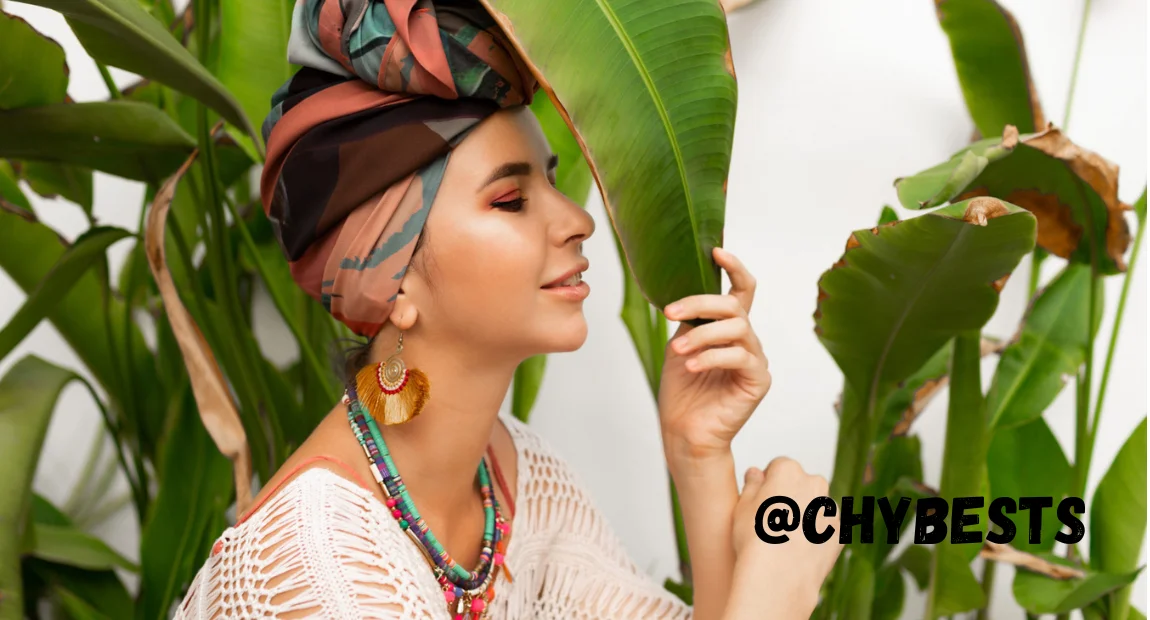
Clothing in the 1980s was rarely worn alone; women styled their outfits with bold belts, layered jewelry, oversized scarves, and colored tights, and belts were placed at the natural waist to define shape, especially over blazers or dresses, earrings were large and often made from plastic or metal, footwear ranged from pointed heels and ankle boots to sneakers and flat slip-ons, depending on the outfit style.
Color Trends and Fabric Choices
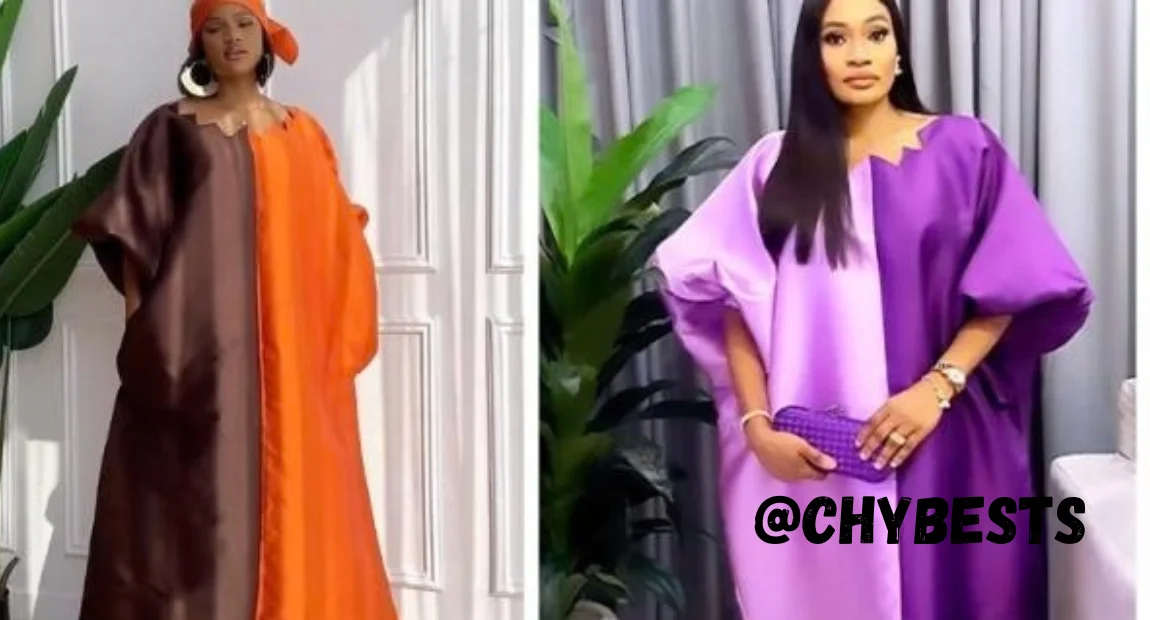
Colors like bright reds, blues, greens, and purples appeared often, along with neon in casual outfits in 1980s. Pastels were also used in more conservative or preppy looks. Color blocking was a technique that placed contrasting shades together in one outfit. Fabrics included wool, denim, rayon, polyester, and silk blends. Texture was important. Many clothes had a mix of soft and structured fabrics to improve the visual interest.
Conclusion
Women’s fashion in the 1980s stood for change, creativity, and identity, and it was in the time when clothing showed cultural changes in the workplace, music, and street culture. Starting with power suits to acid-wash jeans, each item carried its own message. High-waisted trousers, leather pants, and stretch leggings showed how function and style could work together. Layered accessories and bold color choices defined the era’s unique aesthetic. Till today, the fashion of the 1980s is still influencing modern collections, proving that its impact was not just a passing trend but a part of fashion history.
Leave a Reply