
The hijab is a head covering worn by many Muslim women around the world. It is one of the most recognized symbols of modesty in Islam, and its use is both cultural and religious. While it often refers to a scarf that covers the hair, the concept of hijab extends beyond clothing to represent modesty in behavior, speech, and lifestyle. The reasons women wear hijabs are complex and meaningful, ranging from faith and identity to personal choice and cultural tradition. Understanding these reasons requires looking at the religious, social, cultural, and personal aspects connected to the hijab.
Why do Women Wear Hijabs?
1. Religious Belief and Modesty
One of the main reasons women wear hijabs is because of their faith. In Islam, modesty is highly valued for both men and women. The hijab is seen as a form of obedience to religious teachings that encourage covering the body in a way that reflects dignity and respect. For women who wear it, the hijab is a visible sign of devotion to God. It allows them to practice their beliefs in everyday life and fulfill a spiritual responsibility.
2. Expression of Identity
For many women, the hijab is more than a piece of clothing. It is a strong expression of identity. Wearing the hijab can show pride in being Muslim and help women connect with their community. It allows them to publicly display their religious and cultural background. In places where Muslims are a minority, the hijab can also become a way of maintaining a sense of belonging and standing firm in one’s values.
3. Cultural Tradition
The hijab is also tied to cultural traditions. In many societies, women have worn head coverings for centuries as a sign of modesty, respect, or social custom. For some, wearing the hijab is part of continuing family or community traditions. While the meaning may vary from region to region, it often reflects shared heritage and values passed down through generations.
4. Privacy and Protection
Another reason women choose to wear hijabs is for privacy. The hijab can serve as a way to control how much of their body or hair is visible in public. Some women see it as a form of protection from unwanted attention. By covering themselves, they feel more in control of their appearance and the way they are perceived by others. This sense of privacy can give them confidence and comfort in different settings.
5. Personal Choice and Empowerment
While the hijab is sometimes misunderstood as a restriction, many women see it as a source of empowerment. Choosing to wear it gives them control over their own bodies and how they want to present themselves. For many, it is not forced but a decision made out of faith, independence, or personal preference. This choice allows them to align their clothing with their values and beliefs.
6. Symbol of Strength and Resistance
In some contexts, wearing the hijab has become a symbol of strength and resistance. Women in certain regions choose to wear it despite social pressures or political challenges. For them, it is not only about religion but also about standing firm in their beliefs and rejecting stereotypes. The hijab in such cases becomes a sign of courage and resilience.
7. Social Belonging
The hijab also creates a sense of belonging among women who share similar values. Wearing it can strengthen community ties and create bonds between women who practice the same tradition. It helps many feel connected to a larger global community of Muslim women who share the same practice of modesty.
8. Modern Adaptations
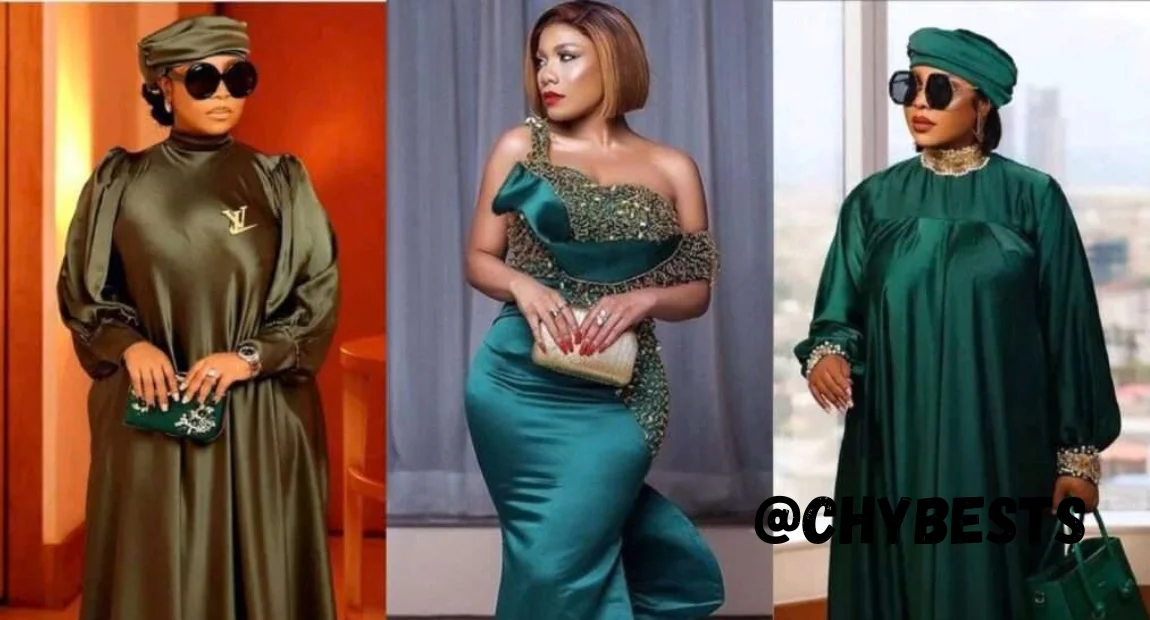
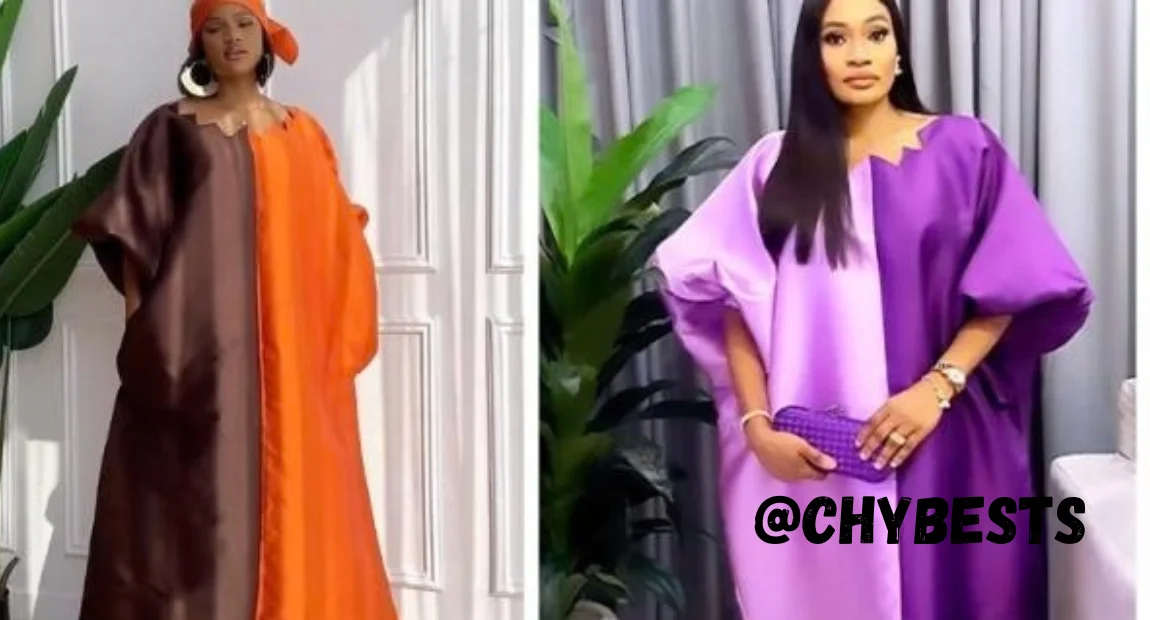
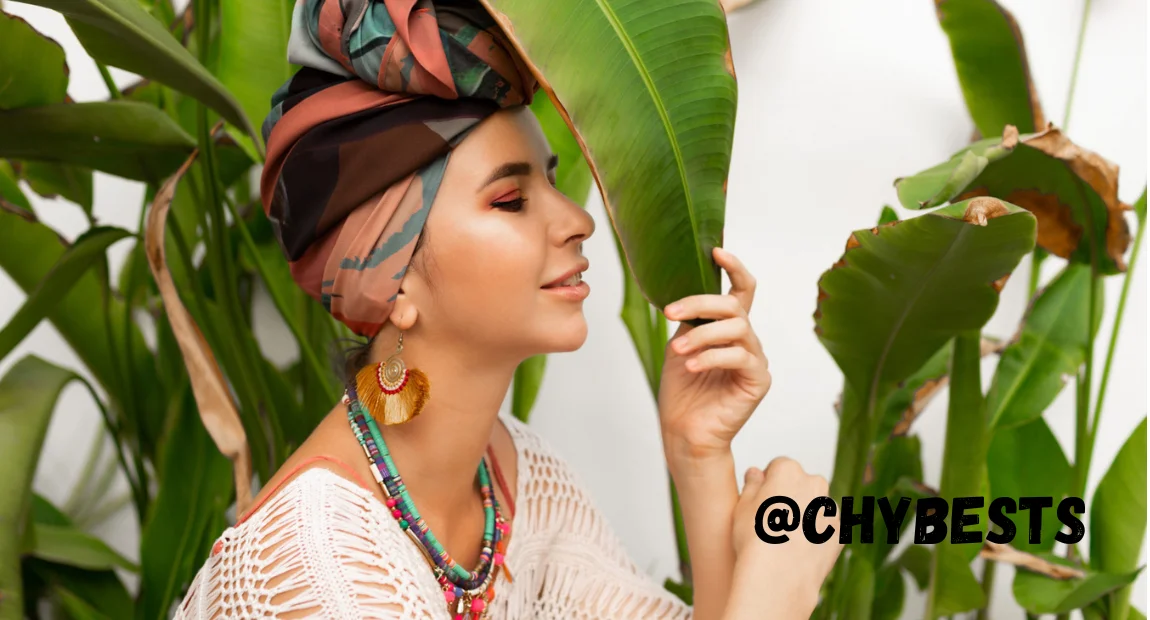
In modern fashion, the hijab has also taken on new styles and forms. Many women balance tradition with personal style by choosing fabrics, colors, and designs that reflect both modesty and individuality. This shows that the hijab is not only a religious duty but also a flexible garment that women adapt to their lifestyles and preferences.
Conclusion
Women wear hijabs for a variety of reasons, including religious devotion, modesty, identity, culture, protection, empowerment, and community. While the meaning may differ from woman to woman, the hijab remains a powerful expression of faith and self-respect. It is both a symbol of spirituality and a personal decision that reflects dignity, values, and individuality. For many women, the hijab is not simply about covering the head but about living a life guided by modesty, strength, and belief.
Related Articles to Read on:
What is Black Tie Dress Code for Women?
What to Wear with Black Dress Pants Women?

Leave a Reply