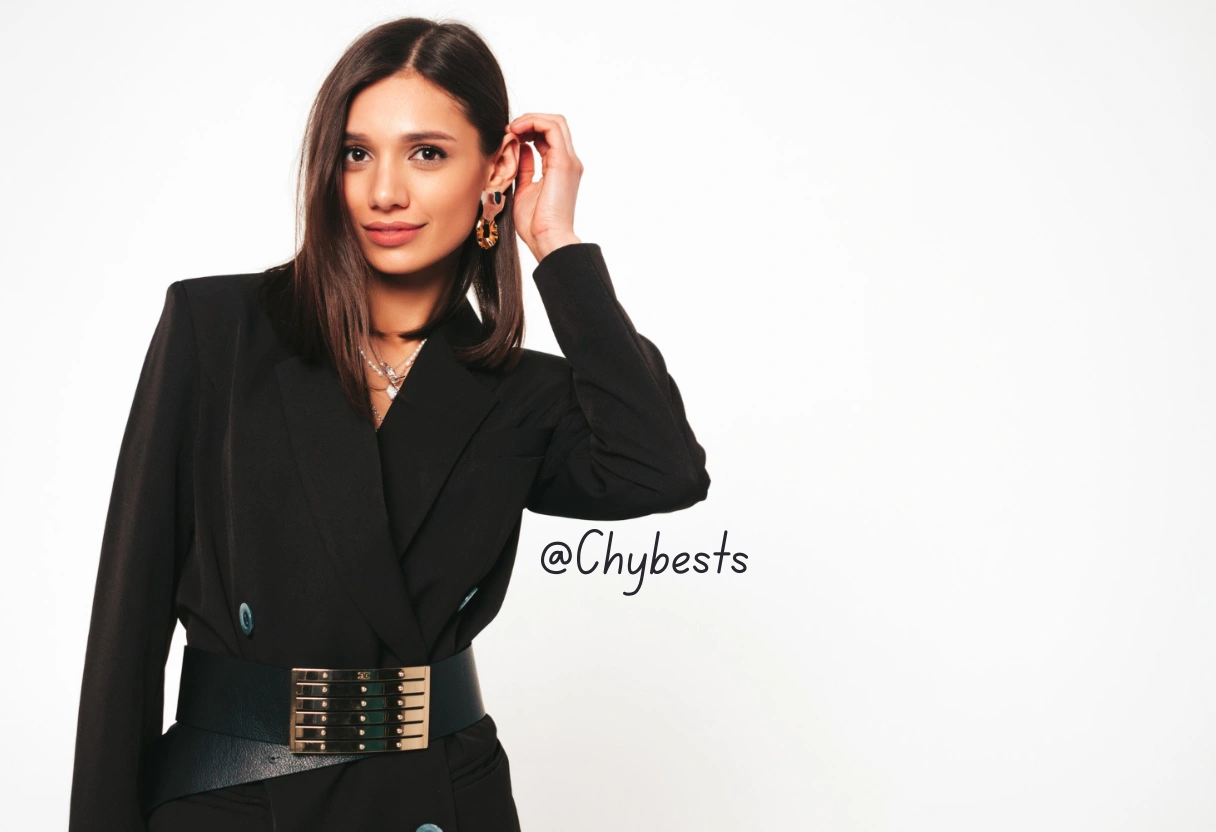
The black tie dress code is one of the most formal styles of dressing for evening events. It is often required for galas, weddings, award ceremonies, and other high-profile occasions. For women, dressing for a black tie event requires more than simply choosing an elegant outfit. It involves understanding the traditions behind the code, the expectations of formality, and how to present oneself with grace and sophistication. Black tie is not casual, and it is not business wear. It is a specific level of formality that calls for gowns or other refined evening attire that balances elegance with appropriateness.
The Meaning of Black Tie for Women
Black tie for women generally means wearing a formal evening gown or dress that reaches the floor or at least falls below the knee. While men are expected to wear tuxedos, women are given a wider range of choices, though these choices must remain within the boundaries of formality. The goal is to reflect elegance and respect for the occasion. Black tie is more formal than cocktail attire but less strict than white tie, which is the highest level of evening dress.
What is Black Tie Dress Code for Women?
1. Evening Gowns
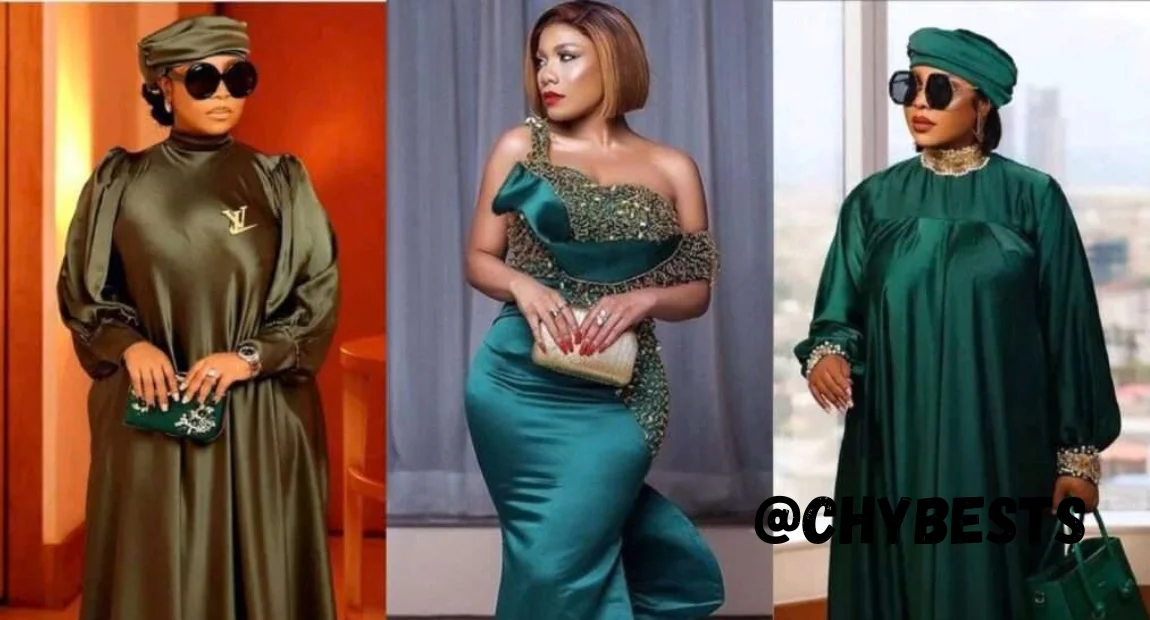
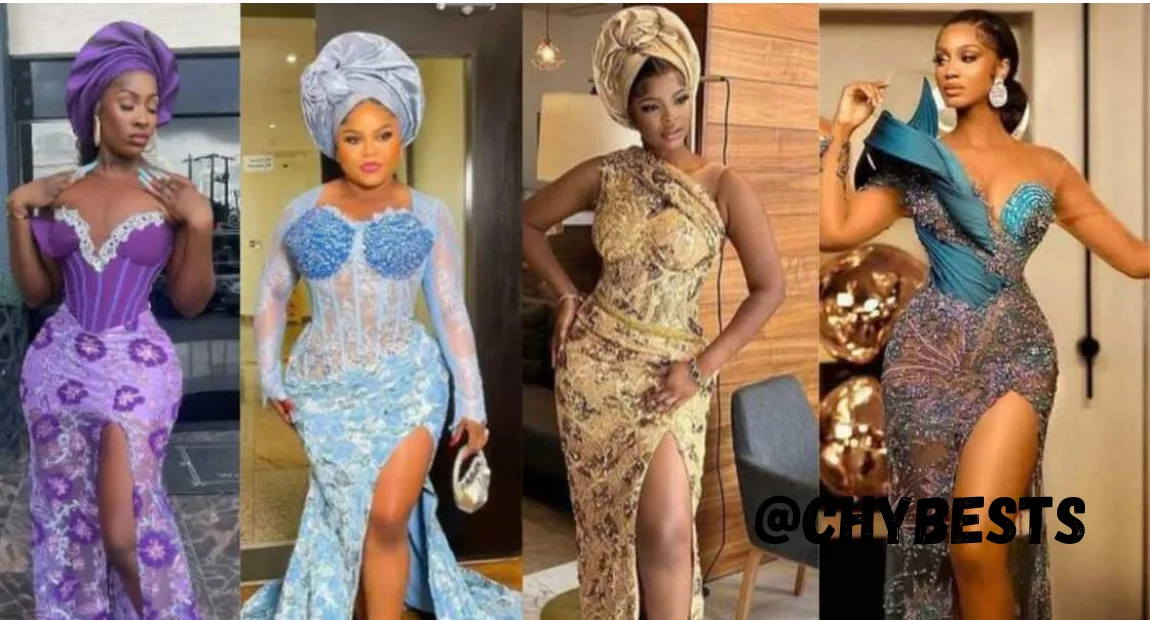
The traditional choice for black tie events is the evening gown. A floor-length gown in rich fabrics such as silk, satin, or velvet is the most common option. These gowns are designed to stand out in refined settings, often featuring details such as draping, embellishments, or structured tailoring. Colors can range from classic black and deep jewel tones to lighter shades, as long as the design reflects formality. Evening gowns provide the most secure option for women who want to ensure they follow black tie rules correctly.
2. Dresses That Are Not Floor-Length
Although full-length gowns are standard, black tie does not always forbid shorter dresses. A dress that falls to the ankle or at least below the knee can still be appropriate, provided it is made of formal materials and styled with elegance. Cocktail dresses that are too short or casual in design do not meet black tie expectations. The key is sophistication, so shorter dresses should have refined tailoring and be paired with formal accessories.
3. Jumpsuits and Modern Choices
Modern fashion has allowed for some flexibility in black tie attire. Tailored jumpsuits in luxurious fabrics are increasingly accepted, particularly when styled with heels and statement accessories. These outfits should maintain the same level of formality as an evening gown. The jumpsuit option appeals to women who want a contemporary look while still respecting the dress code.
4. Fabrics and Details
The choice of fabric plays an important role in black tie dressing. Materials like chiffon, satin, silk, lace, and velvet are ideal because they have a formal finish and carry weight in presentation. Casual fabrics such as cotton, jersey, or denim are never appropriate. Details such as sequins, beadwork, or embroidery can enhance the gown, but they should be balanced to avoid looking overwhelming. The dress should be designed to look graceful without appearing overly casual or theatrical.
5. Shoes and Accessories
Shoes for black tie events are usually elegant heels or dressy flats. They should complement the gown without appearing casual. Sandals and stilettos are both acceptable if they are refined in style. Accessories such as clutches or evening bags should be small and polished. Jewelry plays an important role as well, with pieces like diamond studs, pearls, or a statement necklace adding sophistication. The idea is to enhance the outfit without overpowering it.
6. Hairstyles and Makeup
Hair and makeup should also match the level of formality. For black tie, polished hairstyles are expected. This may include elegant updos, soft waves, or sleek straight styles. Makeup should highlight natural features while being more defined than daytime looks. Smoky eyes, red lips, or subtle contouring can all work well, provided the overall effect remains tasteful. The combination of hairstyle and makeup helps complete the black tie appearance.
What Not to Wear
Understanding what is not acceptable for black tie is as important as knowing what to wear. Avoid casual dresses, office attire, sundresses, or anything made of everyday fabrics. Short skirts, overly revealing styles, and shoes that appear casual are not suitable. Black tie is about refinement, so anything that looks too relaxed or informal does not fit the code.
Special Situations
Sometimes invitations may specify “black tie optional” or “creative black tie.” Black tie optional allows women to choose between a formal evening gown or a very elegant cocktail dress. Creative black tie, on the other hand, permits more fashion-forward choices such as bold colors or unique accessories, while still maintaining formality. However, unless otherwise stated, it is safest to follow the traditional guidelines of wearing a formal evening gown.
Conclusion
The black-tie dress code for women represents a high standard of elegance and formality. It usually requires a floor-length evening gown, though refined alternatives such as ankle-length dresses or tailored jumpsuits can also work. The choice of fabric, accessories, hairstyle, and makeup must all contribute to a polished appearance. Black tie is not just about wearing a dress; it is about presenting oneself with sophistication and respect for the event. For women, mastering the black-tie dress code ensures they arrive dressed appropriately and confidently for any formal occasion.
Related Articles to Read on:
Women’s Wardrobe Essentials for Your 40s
What is Smart Casual Dress Code for Women?


Leave a Reply