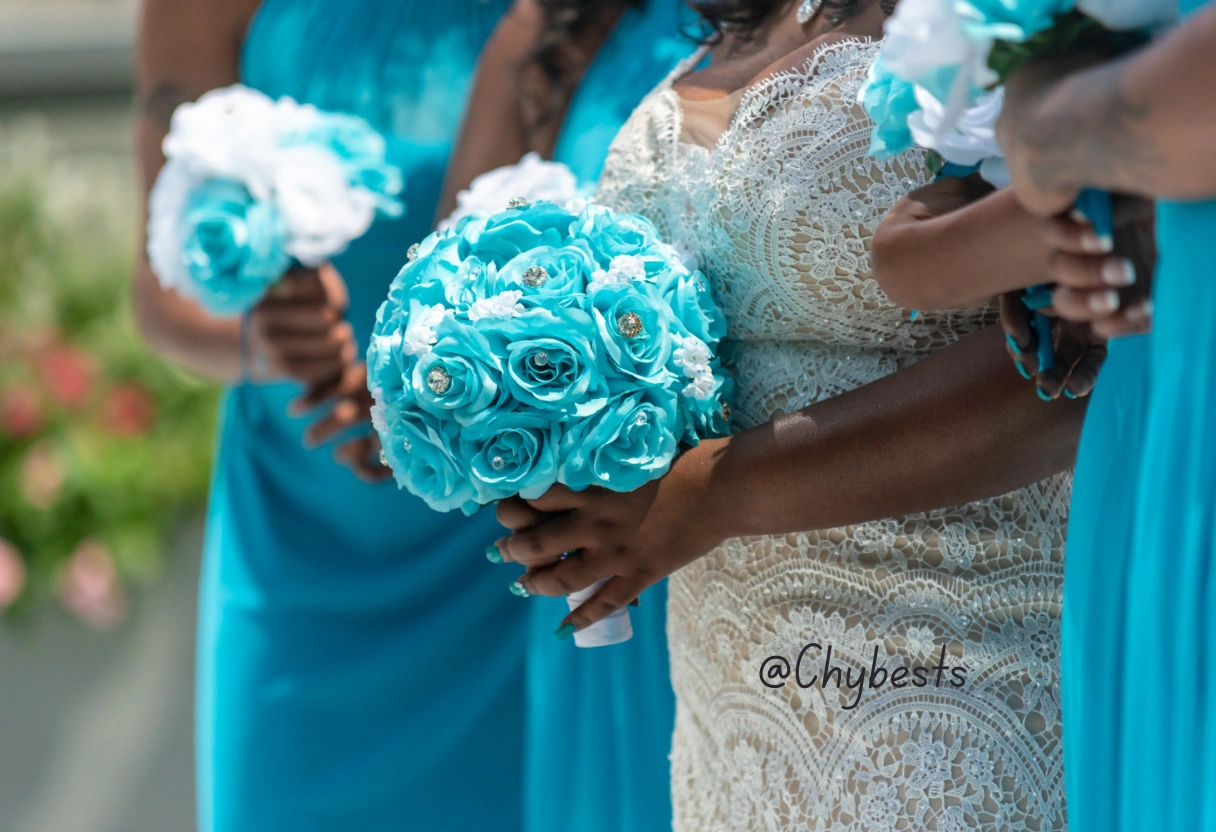
The role of the mother of the bride is one of the most important on a wedding day. While the bride is the main focus, her mother’s appearance also holds significance because it reflects respect for the occasion and complements the wedding theme. Choosing the right dress color is often one of the biggest decisions for the mother of the bride. The color must suit the event, blend with the bridal party, and still allow the mother to feel confident and elegant. Understanding traditional expectations, modern trends, and practical guidelines helps make the right choice without overshadowing the bride.
What is Expected from the Bride’s Mother Based on Tradition?
Traditionally, mothers of the bride wore dresses in shades that reflected dignity and formality. Colors such as navy, silver, champagne, and soft pastels have long been popular. These shades are seen as respectful, elegant, and timeless. The idea was to choose colors that complemented the wedding without drawing too much attention. While traditions have loosened over time, these classic shades remain reliable and safe choices.
Colors to Avoid Styling With
There are certain colors that are generally avoided by the mother of the bride. White is almost always reserved for the bride and should not be chosen, as it can appear as though the mother is competing with her daughter. Ivory and cream also fall into this category unless the bride specifically approves. Black, while increasingly accepted in modern weddings, has traditionally been associated with mourning and should only be worn if the couple supports it. Bright neon shades can also look distracting and may not fit into the tone of the ceremony.
Coordinating with the Bridal Party
One of the key considerations is how the mother of the bride’s dress color works alongside the bridesmaids and the wedding theme. The dress does not need to match the bridesmaids exactly, but it should harmonize with the overall color scheme. For example, if the bridal party is wearing shades of blue, the mother of the bride could choose navy, slate, or silver to create balance. Coordination ensures the photos look cohesive while still allowing the mother to stand out in her own elegant way.
Season and Venue Influence
The time of year and the location of the wedding often influence the color choice. For spring weddings, soft colors like lavender, mint, blush, and champagne are popular. Summer weddings often call for brighter tones such as coral, teal, or floral prints. Autumn weddings are well-suited to deeper shades like burgundy, emerald, or plum. Winter ceremonies often feature elegant tones like navy, dark green, or metallics such as silver and gold. The venue also plays a role; a formal ballroom may require darker or metallic tones, while a beach wedding may be better suited to lighter, breezier colors.
What Color Dress Should the mother of the Bride Wear?
1. Neutral Colors
Neutral shades are some of the most versatile and flattering options for the mother of the bride. Colors such as champagne, taupe, silver, and gray pair easily with most wedding themes and exude understated elegance. These tones work well in both daytime and evening weddings and provide a timeless appeal. Neutral colors also allow the mother to accessorize with statement jewelry or bold shoes without overwhelming the look.
2. Jewel Tones
Jewel tones offer richness and sophistication, making them excellent choices for formal weddings. Shades like emerald green, sapphire blue, amethyst purple, and ruby red stand out without taking attention from the bride. Jewel tones flatter many skin tones and work well in cooler months. They also photograph beautifully, making them a practical option for memorable pictures.
3. Metallics
Metallic shades such as gold, silver, and bronze have become increasingly popular choices for mothers of the bride. These colors add glamour and shine while still remaining formal. Metallic dresses can range from fully shimmering fabrics to subtle details like sequined trims or metallic lace. They are especially appropriate for evening weddings or celebrations held in elegant venues.
4. Pastels
Pastel colors remain a traditional and safe choice. Shades like blush pink, pale blue, lavender, and soft peach offer a gentle and feminine look. Pastels work especially well for spring and summer weddings, and they harmonize with light floral themes. These shades are delicate enough to remain in the background yet elegant enough to highlight the importance of the mother’s role.
Communication with the Bride
Ultimately, the decision about what color the mother of the bride should wear should be made with input from the bride. Communication ensures there are no conflicts with the wedding theme or bridal party attire. Many brides appreciate when their mother asks for guidance, as it shows respect for the vision of the day. Once the bride’s preferences are clear, the mother can choose a color that fits the event and makes her feel confident.
Conclusion
The color of the mother of the bride’s dress should reflect elegance, respect for tradition, and harmony with the wedding theme. Classic choices include navy, champagne, silver, pastels, jewel tones, and metallics, while colors like white, ivory, and overly bright shades should usually be avoided. Seasonal influences, the wedding venue, and coordination with the bridal party all play important roles in making the final choice. With thoughtful selection and communication with the bride, the mother can choose a dress color that enhances the beauty of the celebration while allowing her to feel confident and proud on her daughter’s special day.
Related Articles to Read on:
How to Wear a Dress Shirt for Women
What is a Cocktail Dress for Women?





Leave a Reply