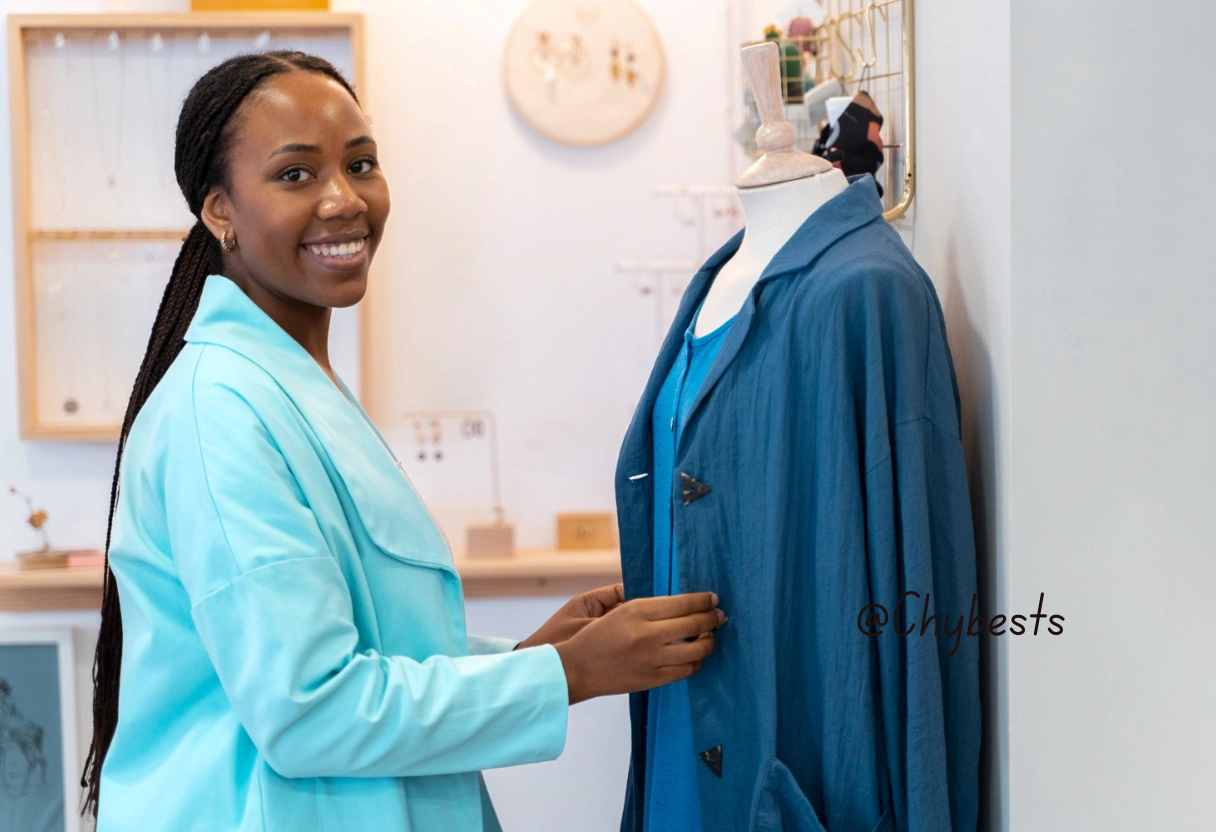
Fashion designers shape how people view style, yet their own way of dressing often raises curiosity. Many assume that designers follow every trend or wear extravagant pieces daily, but the reality is different. Designers balance practicality with creativity, and their clothing choices reflect their personal identity, work demands, and role in the fashion world. Understanding how fashion designers dress helps explain not just their lifestyle but also the culture of the industry they lead.
Factors Affecting how Fashion Designers Dress
1. Work Environment
Fashion designers spend much of their time sketching, meeting clients, working in studios, and attending shows. Because of this, their clothing often serves both comfort and function. During the design process, many prefer practical clothing such as fitted trousers, neutral tops, or workwear-inspired pieces that allow easy movement. This does not mean they lack style. Even in simple outfits, designers pay close attention to fabric, cut, and fit. Their clothing often reflects their sharp eye for detail, even when understated.
2. Minimalist Approach to Daily Wear
Many fashion designers are known for dressing in minimal styles. Black clothing, plain shirts, and clean silhouettes are common in their wardrobes. Choosing neutral colors allows them to focus on their designs without distraction. This practice also communicates professionalism while keeping them visually consistent across different settings. For example, wearing simple black trousers and a tailored top allows designers to look refined whether in the studio or at an event. Minimalism also saves time, freeing them from deciding on complex outfits each morning.
3. Signature Looks and Personal Identity
Some designers create recognizable personal uniforms that become part of their brand identity. A signature look may involve wearing the same type of shirt, shoes, or even hairstyle. This builds consistency and projects confidence. A designer’s personal style often mirrors the aesthetic of their collections, creating a direct link between their clothing and their professional work. For example, a designer who produces avant-garde collections may wear experimental shapes or textures, while one known for classic tailoring may favor sharp suits.
4. Blending Comfort with Statement Pieces
Although many designers keep their everyday outfits simple, they often include standout elements. Statement accessories, bold shoes, or distinctive outerwear are used to express creativity. This allows them to maintain comfort while also displaying their artistic side. For instance, a plain black outfit might be paired with an oversized coat, leather boots, or unique jewelry. This balance shows how designers mix practicality with originality.
5. Studio Wear vs. Public Appearances
Designers dress differently depending on where they are. In private studio settings, they often wear clothing that is easy to work in. However, during fashion weeks, red carpet events, or public interviews, they are more likely to wear expressive outfits. These occasions allow them to present themselves as leaders in style. While in the studio they may prefer jeans and sneakers, in public they often switch to tailored suits, bold dresses, or custom pieces from their own collections.
6. Influence of Brand Aesthetic
The way a designer dresses is often closely tied to the fashion label they lead. Designers are aware that they represent their brand at all times. If their brand is known for sleek modern tailoring, they often reflect this through structured jackets or clean lines in their personal style. If their brand focuses on streetwear, their own wardrobe may include oversized hoodies, sneakers, and cargo pants. Their outfits act as silent marketing for the vision they create.
7. Practical Fabrics and Textures
Designers pay attention to the fabrics they wear because they understand quality. They tend to choose materials like cotton, wool, linen, and silk, often in simple forms. Even if the designs appear modest, the craftsmanship and texture of the fabrics stand out. High-quality textiles make their outfits look refined without being overly flashy. Designers often invest in fewer but more durable pieces, aligning with the principles of sustainability and long-term wear.
8. Global and Cultural Influences
Fashion designers often travel internationally, and their clothing sometimes reflects cultural influences. A designer working in Paris may lean toward chic minimalism, while one in Tokyo may adopt experimental layering. Exposure to different fashion capitals allows them to merge global styles into their personal wardrobes. This mix of cultural ideas enriches their outfits and highlights their awareness of fashion beyond borders.
9. The Role of Consistency
A key factor in how fashion designers dress is consistency. Just as their collections follow a creative direction, their wardrobes are often curated with the same discipline. Their clothing choices send a message not only to clients but also to the public. Dressing consistently in a chosen style builds trust in their vision. Whether they opt for minimal black or bold statement wear, the steady presentation reinforces their authority in the fashion industry.
Conclusion
Fashion designers do not always dress in extravagant or trend-driven clothing. Instead, their wardrobes are shaped by practicality, personal identity, and the need to reflect their brand. Many adopt minimalist styles with clean lines, while others lean on signature looks that become part of their image. They balance comfort in studio settings with expressive choices during public events. Above all, their way of dressing communicates who they are as creative leaders. Understanding how designers dress reveals that style is not about constant change but about consistency, function, and individuality.
Related Articles to Read on:
6 Office Holiday Party Outfits That Won’t Cost You More Than $150
How to Style Black Combat Boots for Winter


Leave a Reply