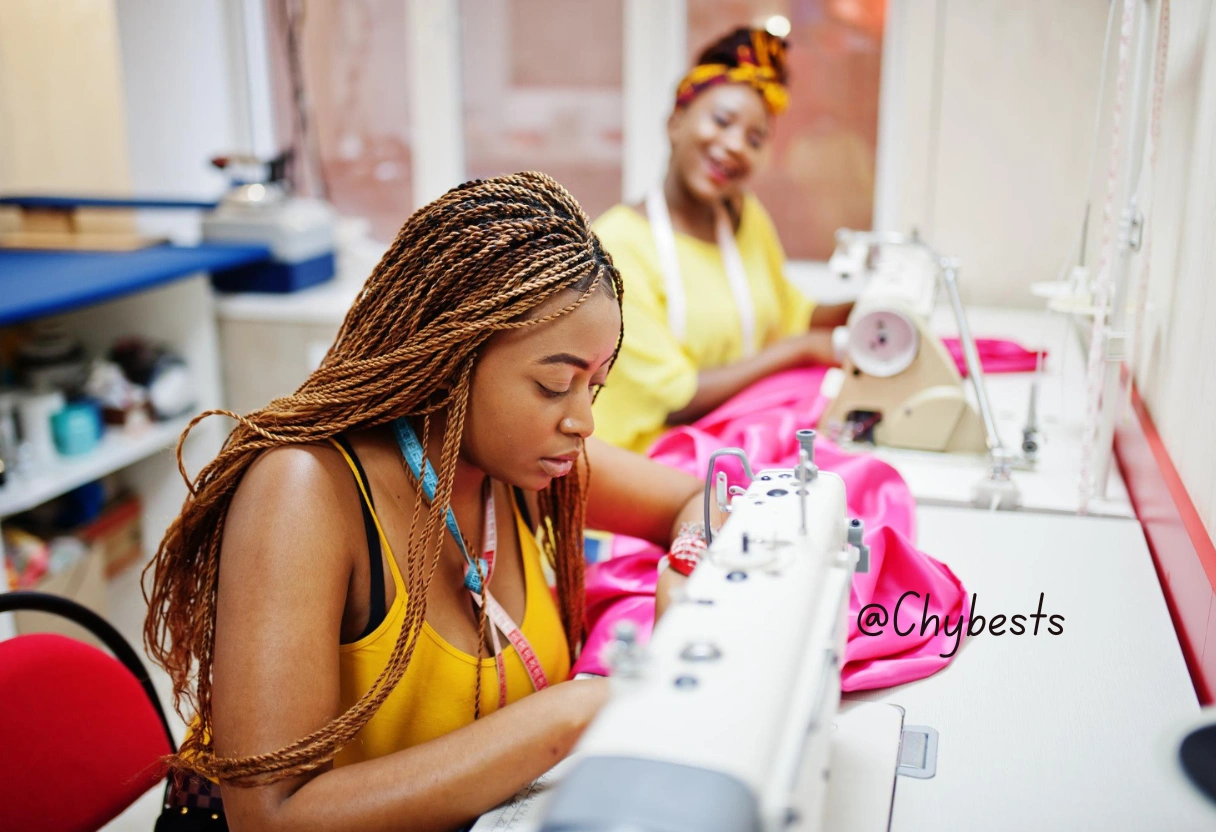
Being a fashion designer is often seen as glamorous, filled with runway shows and creative expression. However, the reality is more complex. A fashion designer’s life combines creativity, business, and hard work. It requires constant dedication, attention to detail, and the ability to adapt to changing trends. Designers are responsible not only for creating clothing but also for shaping the image of their brand or label. Understanding what it is like to be a fashion designer involves looking at both the creative side and the demanding challenges behind the scenes.
Everything you Need to Know to be a Fashion Designer
1. The Creative Process
At the core of a designer’s life is creativity. Designers spend time sketching ideas, choosing fabrics, experimenting with colors, and shaping new collections. Inspiration can come from culture, art, history, or personal experiences. While creativity is exciting, it is also demanding. Designers must constantly think ahead, planning collections months or even a year in advance. This requires not only imagination but also discipline to translate ideas into finished garments.
2. Balancing Art and Business
Being a fashion designer is not only about creating clothes. It also involves managing the business side of fashion. Designers need to understand budgets, production costs, and market demand. A successful collection must not only look good but also sell well. Many designers work closely with marketing teams, manufacturers, and retailers to make sure their creations reach the right audience. Balancing artistic vision with business needs is one of the most challenging parts of the job.
3. The Demands of Time and Pressure
Designers often work long hours, especially during collection deadlines or fashion week seasons. A single collection can take months to prepare, from the first sketches to the final runway show. During this time, designers must oversee fittings, fabric choices, and adjustments to make sure everything is perfect. Pressure is high because mistakes can affect not only the designer’s reputation but also the financial success of the brand. The job requires resilience, patience, and the ability to stay focused under stress.
4. Teamwork and Collaboration
Fashion design is rarely a solo effort. Designers often lead teams of assistants, pattern makers, tailors, and other specialists. Clear communication is essential because the designer’s vision must be translated into wearable clothing. Collaboration also extends beyond the studio. Designers work with photographers, stylists, and models to bring their collections to life. While the designer is the creative leader, success depends on the efforts of many people working together.
5. The Role of Innovation
To stay relevant, designers must constantly innovate. Fashion changes quickly, and what is popular today may not be tomorrow. This forces designers to experiment with new materials, technologies, and silhouettes. Many designers also focus on sustainability, looking for eco-friendly fabrics and ethical production methods. Innovation allows them to stand out in a crowded industry and build lasting recognition.
6. Travel and Exposure
Many fashion designers travel frequently. Attending fashion weeks in different cities, meeting fabric suppliers, and working with international manufacturers are common parts of the job. Travel exposes designers to different cultures, which often influences their creative work. While travel can be exciting, it also adds to the demanding lifestyle, requiring flexibility and constant adaptation to new environments.
7. Recognition and Public Image
For successful designers, public recognition is part of the profession. They often attend events, appear in interviews, and represent their brands in front of the media. Public image becomes an extension of their work. This visibility can be rewarding, but it also brings pressure to maintain a consistent style and identity. Many designers carefully curate how they present themselves, understanding that their personal image reflects their creative vision.
8. Challenges and Setbacks
The fashion industry is highly competitive, and not every designer achieves fame. Many struggle with financial challenges, rejection, or collections that do not perform well. Revisions and redesigns are common, and setbacks are part of the learning process. Designers must accept criticism and use it to improve their work. Persistence and the ability to adapt are essential qualities for long-term success in the field.
9. The Reward of Creativity
Despite the challenges, being a fashion designer can be deeply rewarding. Seeing ideas come to life on a runway or in stores provides a sense of accomplishment. Designers influence how people express themselves through clothing, making fashion both personal and cultural. The impact of their work can shape trends, inspire communities, and leave lasting impressions on the industry. For many designers, this creative influence makes the long hours and hard work worthwhile.
Conclusion
Being a fashion designer is both demanding and fulfilling. It requires creativity, discipline, and the ability to balance art with business. Designers face long hours, pressure, and competition, but they also enjoy the chance to innovate and express their vision to the world. Their role extends beyond making clothes, influencing culture, identity, and self-expression. To be a fashion designer is to live a life of constant learning, resilience, and creativity. It is a career that demands passion but rewards those who dedicate themselves fully to the craft.
Related Articles to Read on:
How do Fashion Designers Dress?
How to Style Black Combat Boots for Winter





Leave a Reply