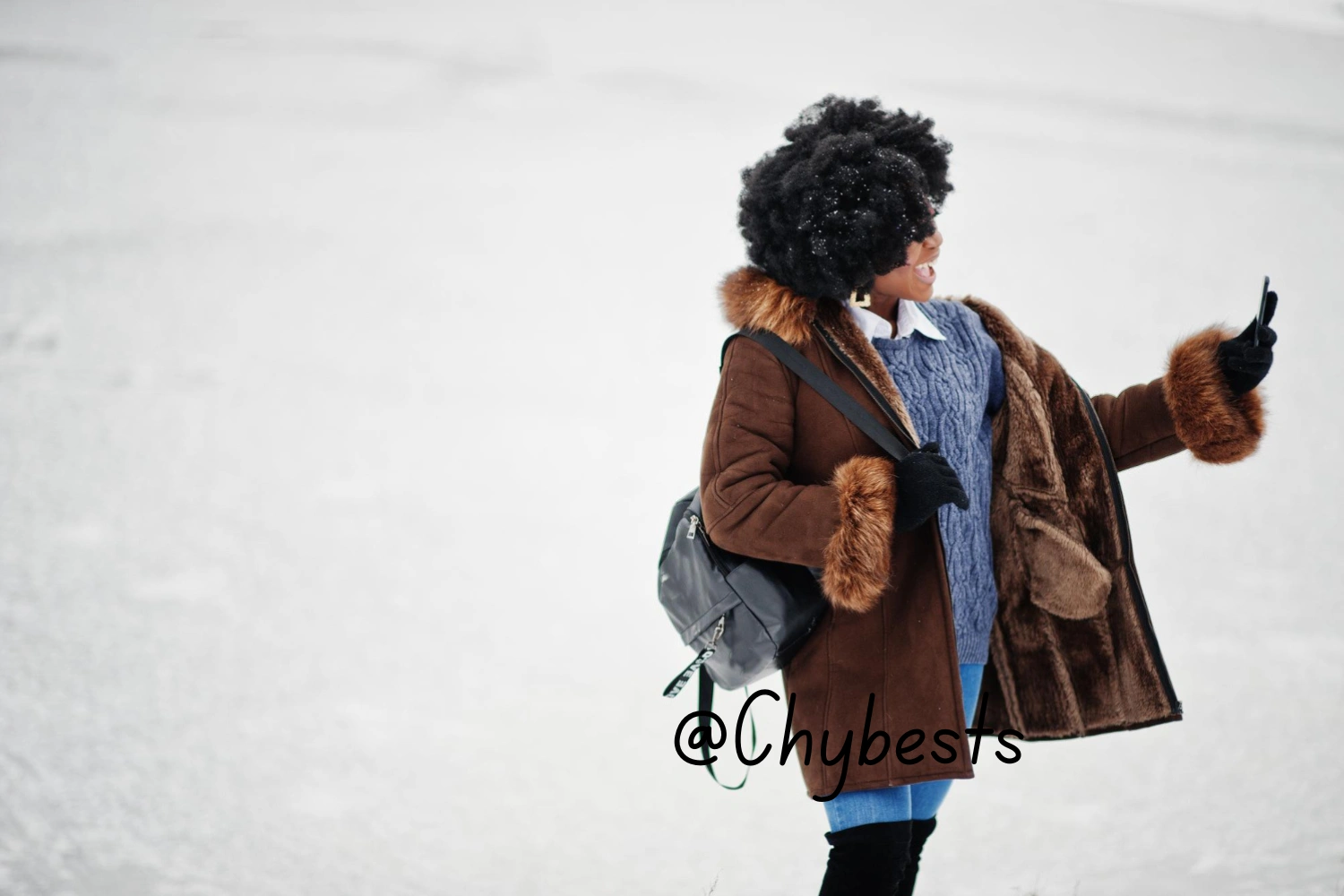
When cold weather hits, staying warm becomes the main focus, but that doesn’t mean giving up on style. Layering clothes is the smart way to dress during winter. It helps you stay warm, adjust to different indoor and outdoor spaces, and still look put together. The goal is to wear the right number of layers, in the right order, using the right fabrics.
Layering is more than just piling on sweaters. Each layer has a job to do. The base layer keeps sweat away, the middle layer traps heat, and the outer layer blocks wind and rain. When these parts work together, you stay warm without feeling bulky or restricted.
Here’s how to layer clothes the right way for cold weather, so you can stay cozy, move freely, and still look stylish wherever you go.
What Is the Best Way to Layer Clothes for Cold Weather?
1. Start with a Base Layer That Controls Moisture
The base layer is the first piece that touches your skin. Its job is to keep you dry by moving sweat away from your body. Even in cold weather, your body can sweat, especially when you’re moving around or wearing thick clothes.
Choose base layers made from wool, polyester, or thermal blends. Avoid cotton because it holds moisture and makes you feel cold. A good base layer can be a long-sleeve thermal shirt, a light turtleneck, or a fitted top that hugs your body.
Best picks:
- Merino wool tops
- Thermal long-sleeves
- Moisture-wicking base shirts
2. Add a Middle Layer That Traps Heat
The middle layer keeps the warmth close to your body. This is where you add some thickness. It could be a fleece, sweatshirt, down vest, or a wool sweater. You can wear more than one middle layer if it’s extra cold, just make sure each piece fits well under your coat.
This layer doesn’t need to be tight, but it should still follow your shape to avoid looking puffy. Focus on warmth without bulk.
Best picks:
- Light fleece pullovers
- Insulated vests
- Knit sweaters
- Down or synthetic padded layers
3. Top It with a Protective Outer Layer
The outer layer shields you from wind, snow, and rain. This is your coat or jacket, and it should be made from water-resistant or windproof materials. A good outer layer holds everything together and locks out the cold.
For dry and cold days, a wool coat or parka works well. For wet or windy days, go with a weatherproof jacket or trench with a hood. Look for pieces with zippers, snaps, and cuffs that keep cold air out.
Best picks:
- Waterproof trench coat
- Puffer jacket
- Parka with a hood
- Windbreaker with insulation
4. Don’t Forget Accessories
Winter accessories can make a big difference. Hats, scarves, gloves, and socks not only add warmth but also bring color and style to your outfit. Always cover your hands, head, and feet when it’s cold, these areas lose heat quickly.
Wool socks, touchscreen gloves, and thick scarves are great to keep on hand.
Bonus tip: Wear a beanie or lined hat to trap heat, most body heat escapes through the head.
5. Use Smart Fabrics and Good Fit
Layering works best when your clothes fit well. Avoid clothes that are too tight, they restrict movement and hold sweat. But also avoid clothes that are too loose—they let cold air in. Choose fabrics that breathe and stretch, but also trap heat.
Stay away from bulky knits that weigh you down. Instead, layer thin but warm items for better results.
6. Be Ready to Adjust
You won’t be outside all day. Once you step indoors, you’ll want to remove a layer or two. Wear pieces you can take off easily without messing up your whole outfit. That’s why jackets with zippers and sweaters you can pull off without hassle are key.
Always layer in a way that lets you stay warm outdoors and cool indoors without a complete outfit change.
Conclusion
Layering for cold weather isn’t just about staying warm. It’s about using the right pieces to build an outfit that feels good and works across changing conditions. Focus on a strong base layer, a warm middle, and a weatherproof outer shell. Add smart accessories and stick to breathable fabrics.
With a few simple rules, you can face cold days with confidence, comfort, and style.
Related Articles to Read on:
How Can I Style Oversized Blazers Without Looking Bulky?
Minimalist Wardrobe Ideas for African Lifestyle and Climate





Leave a Reply