
Attending a formal event in the UK often comes with certain expectations about clothing. Whether it is a wedding, black-tie dinner, business gala, or cultural ceremony, the way you dress sets the tone for how you will be received. Dressing appropriately is not only about style but also about respect for the event and the hosts.
Formal wear in the UK can vary depending on the type of occasion, time of day, and season. Understanding these details will help you make the right clothing choice.
What Are Formal Dress Codes?
Before choosing what to wear, it is important to know the dress code. In the UK, common formal dress codes include black tie, white tie, cocktail attire, and formal business dress. Each of these has its own expectations, and choosing correctly will prevent you from being either underdressed or overdressed.
Black tie is often used for evening events, white tie is the most formal and reserved for very traditional occasions, cocktail attire is less formal but still polished, and formal business dress is expected at professional dinners or conferences.
Best Dresses for Formal Event in the UK
1. Formal Wear for Men
For most formal UK events, men are expected to wear tailored suits or tuxedos depending on the dress code. A dark-coloured suit with a crisp shirt and tie works for business or semi-formal occasions. For black-tie events, a tuxedo with a bow tie is standard.
Shoes should be polished leather, usually black, and accessories such as cufflinks or pocket squares can add refinement. In very formal white-tie settings, men may be expected to wear a tailcoat, waistcoat, and bow tie in white, paired with black trousers and formal shoes.
Season also matters. Lighter fabrics like linen or cotton blends may work in summer for certain formal day events, while wool suits are more suitable for autumn and winter evenings.
2. Formal Wear for Women
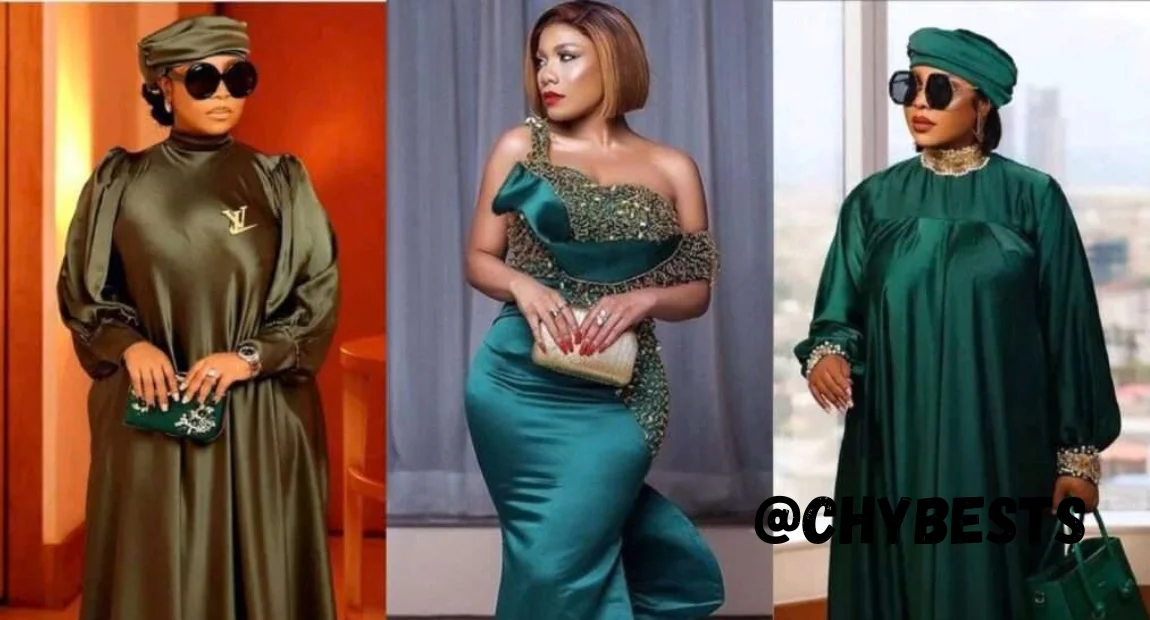
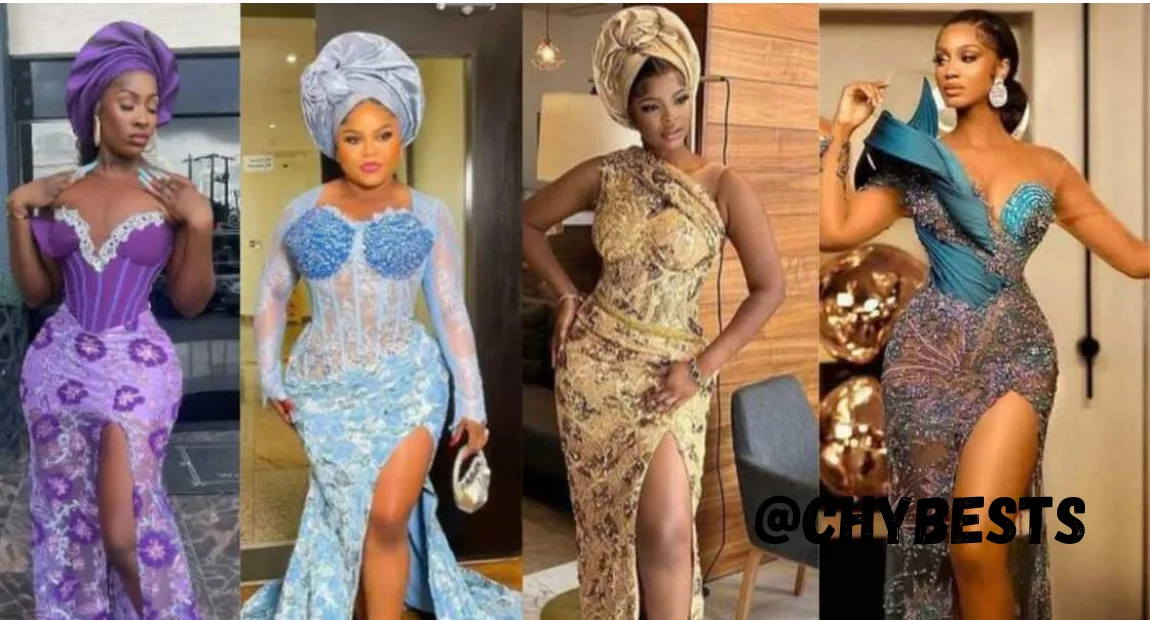
Women attending formal events in the UK often wear gowns, cocktail dresses, or tailored suits depending on the occasion. For black-tie events, a floor-length gown or a refined evening dress is common. For cocktail attire, a knee-length or midi dress in elegant fabric is suitable.
At business formal dinners, a tailored dress, smart trousers with a blouse, or a suit works well. Women may also wear understated jewellery and carry a clutch bag to complete the look. Shoes are usually heeled but can be modest and comfortable.
Colour choices vary by season. Darker tones such as navy, black, and deep red are common in winter, while lighter pastels or soft neutrals appear more in spring and summer events.
3. Cultural and Traditional Considerations
The UK hosts a wide range of formal events that include weddings, graduations, royal ceremonies, and professional gatherings. Some of these may also require traditional or cultural dress. For example, guests at formal Scottish weddings may wear kilts with formal jackets, while academic ceremonies often involve gowns.
It is important to consider the specific traditions of the event. When in doubt, guests can ask the host about acceptable attire.
4. Accessories
Accessories are key to completing formal outfits. Men may wear cufflinks, ties, watches, or pocket squares, while women may choose subtle jewellery, elegant bags, and scarves. The goal is to add polish without distracting from the overall outfit.
Grooming is equally important. Clean, well-kept hair and shoes make a difference in how formal clothing looks. For men, shaving or neatly trimmed beards help maintain a smart appearance, and for women, simple but refined makeup complements formal attire.
5. Seasonal Dressing for Formal Events
Formal dressing in the UK also depends on the season and the weather. For winter events, heavy fabrics such as wool, velvet, or tweed provide warmth while still looking elegant. In summer, lighter fabrics such as silk, chiffon, and cotton blends are more comfortable while maintaining formality.
Outerwear should also match the formality of the event. A smart overcoat, tailored jacket, or formal shawl works better than casual coats when arriving at or leaving the venue.
What Not to Wear at Formal Events
It is just as important to know what to avoid. Casual wear such as jeans, trainers, polo shirts, or everyday dresses are not suitable for formal UK events. Loud patterns, overly casual accessories, or sportswear are also considered inappropriate.
Unless specified, guests should avoid very revealing clothing or styles that distract from the formality of the event. Choosing timeless and modest pieces always works better than taking risks that may not fit the setting.
How to Choose the Right Outfit
The best way to prepare for a formal event in the UK is to follow three key steps. First, confirm the dress code stated on the invitation. Second, choose clothing that suits the season and time of day. Third, focus on timeless styles that will not look out of place.
By following these steps, you can dress with confidence knowing that your clothing matches the tone of the occasion.
Conclusion
Dressing for a formal event in the UK requires planning and attention to detail. Men usually wear suits, tuxedos, or white-tie outfits, while women choose gowns, cocktail dresses, or tailored suits. Accessories, grooming, and seasonal fabrics all play a role in making the outfit suitable.
Formal events are about respect as much as style. Choosing the right clothing ensures you look appropriate while also showing regard for the hosts and the occasion. With the wide range of formal events held in the UK, from weddings to black-tie galas, knowing what to wear makes every experience more confident and polished.
Related Articles to Read on:
Where Can I Buy Affordable Casual Clothing in the UK?
What is the Best Outfit for a Birthday Dinner in the UK?

Leave a Reply