
Funerals are moments of reflection, respect, and remembrance. How a woman dresses for such an event holds significance, not as a matter of fashion, but as a demonstration of care and support for the grieving family. Clothing choices at a funeral should reflect modesty, simplicity, and respect. By wearing appropriate attire, women can honor the solemnity of the occasion and avoid drawing unnecessary attention. This guide explains what to wear to a funeral for women and why clothing matters in such settings.
The Meaning of Funeral Attire
Funeral clothing has long been associated with symbolism. Dark colors, particularly black, are linked with mourning and remembrance in many cultures. The purpose of funeral attire is not to stand out but to blend into a respectful environment. A woman’s clothing choice communicates empathy and acknowledgment of the gravity of the day. Improper or casual dress may appear careless, while modest and subdued clothing shows that the event is being taken seriously.
What a Woman Should Wear to a Funeral
1. Dresses and Skirts for Funerals
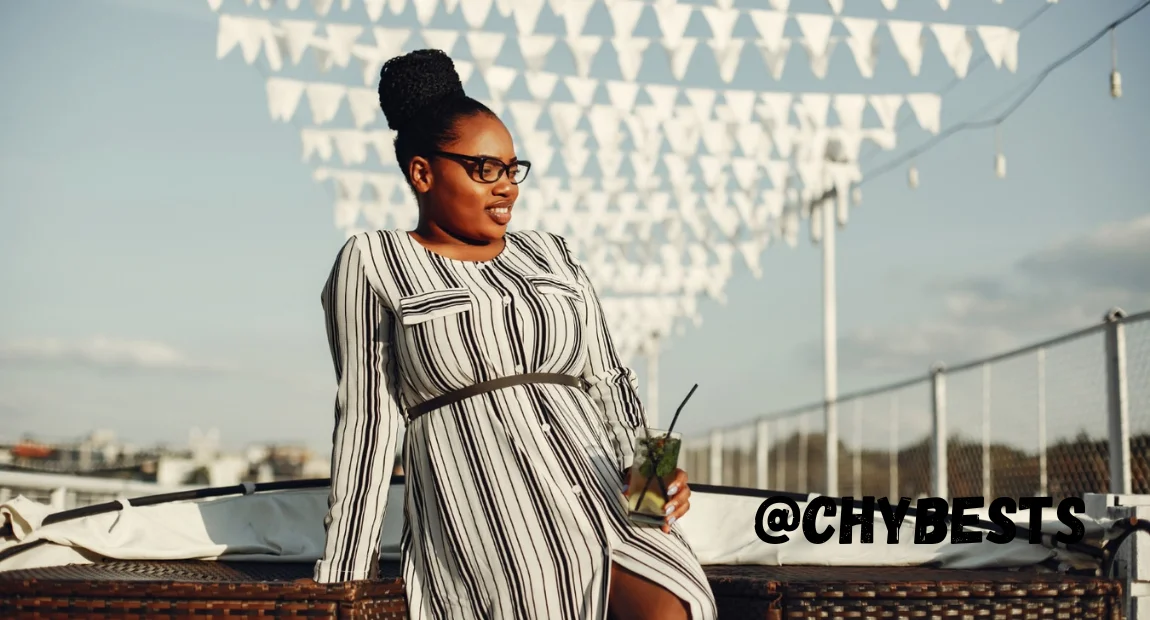
Dresses and skirts remain traditional and suitable options for women attending funerals. The hemline should fall at or below the knee, avoiding short or revealing cuts. The neckline should also remain modest. Fabrics should be plain and free of bold patterns. While black is the most common color, dark shades such as navy, gray, or deep green are also appropriate. Pairing a simple dress with a cardigan or blazer helps create a composed and respectful appearance.
2. Appropriate Pants and Suits
Women are not limited to dresses and skirts. Tailored pants or slacks paired with a blouse and jacket provide a clean and formal look. A dark pantsuit is also acceptable and often practical, especially in colder weather. The key is to ensure that the clothing is neat, modest, and conservative in tone. Pants should not be overly tight, and blouses should remain plain and professional.
3. Tops and Blouses
When selecting tops, women should choose pieces that are free from low necklines or sheer materials. A button-up shirt, blouse, or modest sweater works well. Sleeves should cover the shoulders, and longer sleeves may be more appropriate in religious or traditional services. Neutral shades and soft tones keep the outfit understated and aligned with the mood of the occasion.
4. Shoes and Footwear
Footwear for funerals should be both respectful and practical. Closed-toe shoes are preferred. Flats, modest heels, or low-heeled boots work best. The shoes should be clean, polished, and in dark or neutral tones such as black, navy, or brown. Women should avoid very high heels, sandals, or casual footwear. Since funerals may involve standing or walking at gravesites, comfortable shoes are also important.
5. Outerwear and Seasonal Considerations
Weather plays a role in clothing choices. In colder months, a dark overcoat, trench coat, or simple wool jacket is appropriate. Scarves, hats, and gloves should be subdued in color and free from flashy designs. In warmer months, lighter fabrics may be worn, but the outfit should remain modest and in dark or muted tones. Regardless of the season, clothing should remain respectful and practical.
6. Accessories and Jewelry
Accessories at funerals should be minimal. Small stud earrings, a plain necklace, or a wedding band are suitable. Large or flashy jewelry should be avoided, as it can distract from the purpose of the gathering. Handbags should be simple and not brightly colored. A structured black or dark bag is preferable to oversized or decorative purses. Sunglasses may be used outdoors but should be removed indoors unless medically required.
7. Hair and Makeup
A neat and natural appearance is most appropriate for funerals. Hair should be styled simply, whether left down or tied back. Bright hair colors or extreme hairstyles may be seen as distracting. Makeup should be understated, with light foundation, neutral eye tones, and soft lipstick. Heavy or dramatic makeup is not appropriate for the occasion. Perfume should be minimal or avoided, as strong scents can be overwhelming in close spaces.
8. Religious and Cultural Expectations
Some funerals follow cultural or religious customs that affect dress codes. In some traditions, women may be asked to cover their heads or wear specific colors. In others, white rather than black is worn to symbolize peace. When attending a service with distinct traditions, it is respectful to follow the guidance of the family or community. If unsure, a dark, modest outfit is usually acceptable.
What Not to Wear
There are clothing choices that should be avoided at funerals. Bright or neon colors, sequins, glitter, and bold patterns do not fit the setting. Casual clothing such as jeans, shorts, tank tops, and T-shirts is not respectful. Athletic wear, sneakers, flip-flops, and beachwear are also inappropriate. Clothing with large logos, slogans, or designs should not be worn. The goal is to remain modest and understated.
Conclusion
Choosing what to wear to a funeral is about showing respect for the deceased and support for the grieving family. Modest dresses, skirts, suits, or pants in dark or muted tones are most appropriate. Footwear should be simple and comfortable, and accessories should be kept minimal. By dressing carefully, women can present themselves in a way that honors the occasion, avoids distractions, and maintains the dignity of the service.


Leave a Reply