
When preparing for court, the way you dress matters. Appearance in a courtroom is not just about fashion but also about showing respect for the judge and the legal process. Women who are attending court, whether as defendants, plaintiffs, witnesses, or visitors, need to choose clothing that communicates seriousness and professionalism. Dressing properly can help create a positive impression and show that you take the proceedings seriously. This guide explains what women should wear to court and why it matters.
Importance of Courtroom Attire
Courtrooms are formal places where decisions are made based on facts, evidence, and credibility. Clothing can influence how a person is perceived. Judges and jurors may not consciously make decisions based on appearance, but the way someone presents themselves can leave an impression. For women, wearing clothing that is modest, neat, and professional shows respect and avoids distractions.
General Rules for Court Clothing
The best way to approach courtroom attire is to think of it as dressing for a professional interview. Outfits should be modest, conservative, and simple. Clothing that is too casual, flashy, or revealing can give the wrong impression. Women should avoid clothing that draws unnecessary attention, such as short skirts, low-cut tops, or overly bright colors.
1. Appropriate Dresses and Skirts
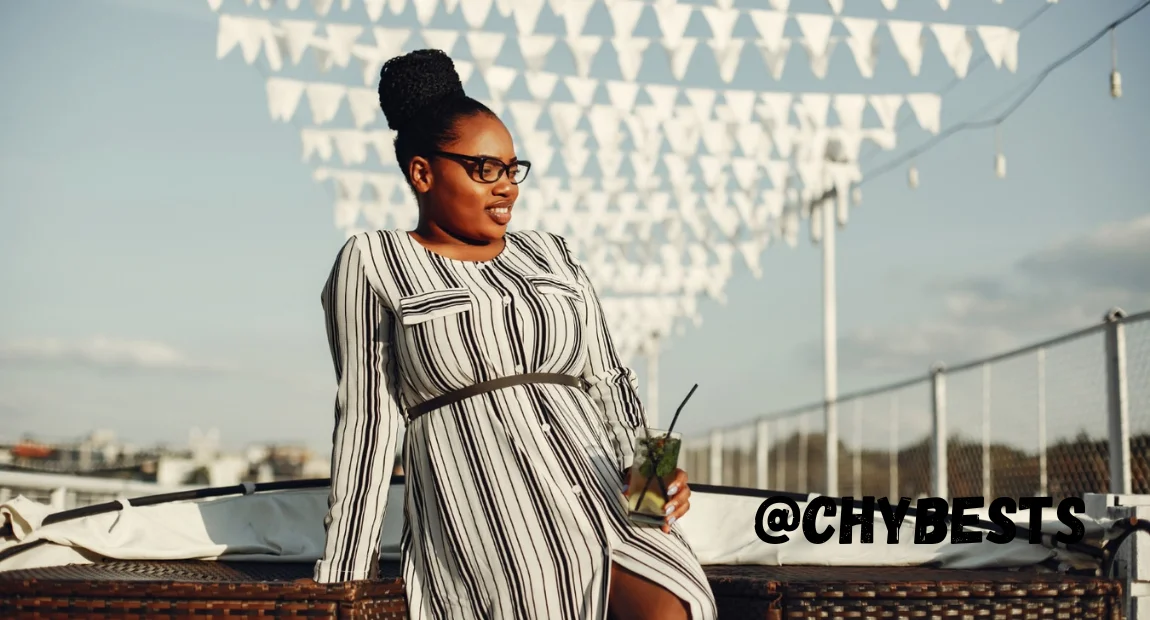
Dresses and skirts are acceptable options for court, but they must be modest in length and style. A skirt or dress should fall at or below the knee. Avoid tight or body-hugging designs. Neutral colors such as black, navy, gray, or beige are best because they are less distracting and more professional. Simple patterns may be acceptable if they are subtle, but plain colors are often more suitable.
2. Suitable Pants and Slacks
Women can wear tailored pants or slacks to court. The fit should not be too tight, and the fabric should look clean and pressed. Dark colors or muted tones work best, as they give a more professional appearance. Pairing pants with a blouse, sweater, or blazer creates a balanced look that is respectful and polished.
3. Selecting the Right Tops
Blouses, button-up shirts, and modest sweaters are all appropriate choices. The neckline should not be too low, and the sleeves should cover the shoulders. Avoid sheer fabrics that reveal too much skin. Simple solid colors or lightly patterned blouses are suitable, but flashy prints should be avoided. A blazer or cardigan can add formality and complete the outfit.
4. Appropriate Footwear for Court
Shoes should be closed-toe, clean, and in good condition. Heels should be moderate in height, and flats are also a good option. Avoid wearing sandals, flip-flops, or very high heels. Neutral-colored shoes such as black, brown, or navy match most outfits and maintain a professional appearance.
5. Accessories and Jewelry
Jewelry should be minimal and not distracting. Simple earrings, a watch, or a wedding band are fine, but large or flashy accessories should be avoided. Bags should also be simple and professional. A plain handbag or briefcase works better than bright or oversized purses.
6. Hair and Makeup
Hair should be neat and tidy, whether worn up or down. Avoid messy hairstyles or extreme colors. Makeup should be natural and not heavy. The goal is to look presentable without drawing unnecessary attention. Bright lipstick, heavy eye shadow, or glitter is not appropriate for court.
What Not to Wear to Court
Certain items should always be avoided when dressing for court. Casual clothing such as jeans, shorts, T-shirts, and sweatshirts do not show respect for the setting. Revealing clothing, crop tops, or very short skirts are inappropriate. Loud colors, sequins, or flashy designs should also be left out of court outfits. Hats, unless for religious reasons, should not be worn inside the courtroom.
Dressing for Different Court Roles
Women attending court as defendants or plaintiffs need to dress more formally, as they are central to the case. Conservative outfits that show respect and seriousness are best. Witnesses should also dress in a similar manner, since their credibility can be judged in part by appearance. For those attending as observers or in support of others, professional clothing is still expected, though slightly less formal options such as slacks with a blouse may be acceptable.
Conclusion
The overall goal is to look respectful, neat, and professional. Clothing should fit well, be clean, and pressed. Neutral tones work best, and accessories should be minimal. When unsure, it is always better to dress slightly more formally than too casually.
By choosing simple, modest, and professional clothing, women can present themselves properly in court. The right outfit communicates respect, helps avoid distractions, and supports a positive impression in front of the judge and jury.


Leave a Reply