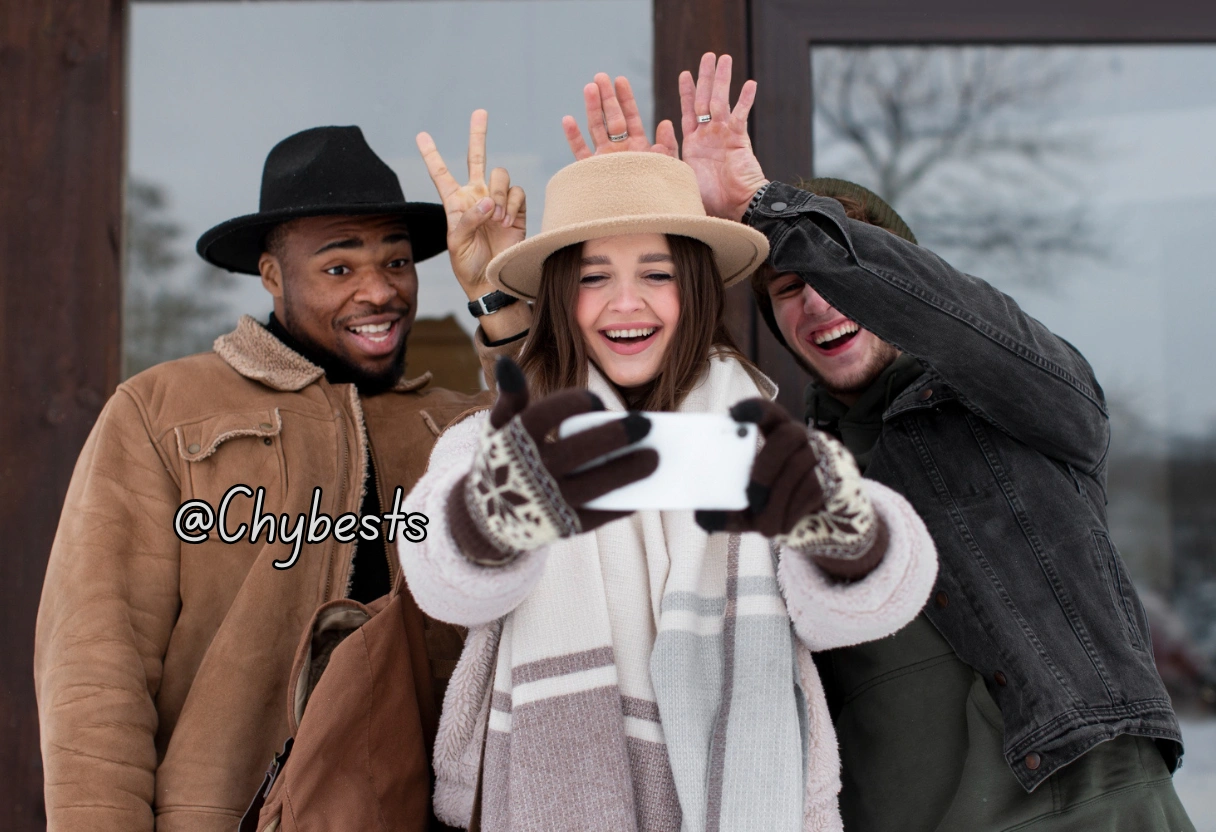
Winter in the UK brings cold winds, short days, and regular rain. Dressing well during this season is about more than warmth. It is also about looking put together while staying comfortable in changing weather. Winter outfits need to balance function and style, so they can work for both city life and casual weekends.
This guide explains how to style winter outfits in the UK with detail and simplicity. It looks at layering, fabrics, colours, and accessories that give structure to outfits. The aim is to make dressing in winter both practical and stylish.
How does Layering Works?
Layering is the foundation of winter dressing. Instead of relying on one heavy coat, a layered outfit allows flexibility for different temperatures. Start with a base layer such as a cotton or wool blend shirt. Add a jumper or cardigan as the mid-layer. Finish with a coat that matches both the outfit and the weather.
Layering also adds depth to the look. A shirt under a knit with the collar slightly visible, or a roll-neck worn beneath a blazer, gives more shape to an outfit. In the UK, layering is also practical since indoor spaces are heated while the outdoors can be freezing.
1. How to Choose the Right Fabrics for Winter
The choice of fabric matters in winter styling. Wool is one of the most reliable options, whether in coats, trousers, or knitwear. Cashmere and merino wool are softer and lighter, offering warmth without bulk. Tweed and herringbone fabrics are traditional British favourites that remain popular for both casual and smart wear.
For casual settings, corduroy trousers or heavy denim provide texture and durability. Waterproof fabrics such as treated cotton or technical blends are important for rainy days. A strong fabric not only keeps you warm but also holds shape, which adds to the look.
2. Outerwear That are Stylish
A coat often becomes the most noticeable part of a winter outfit. In the UK, classic options like wool overcoats, trench coats, and pea coats are widely used. These styles are timeless and can be worn with both casual and formal clothing.
For more casual wear, puffer jackets, parkas, and quilted coats give comfort while keeping style simple. Neutral colours such as navy, black, grey, and camel make coats versatile, allowing them to match different outfits. Choosing a coat with structured shoulders or a defined fit adds a polished touch even in the coldest months.
3. Knitwear as a Winter Staple
Knitwear plays a central role in winter outfits. A chunky jumper or roll-neck not only provides warmth but also adds texture and style. Cable knits, ribbed patterns, and fine wool blends give different looks for different occasions.
Cardigans have returned as a strong style option, especially when worn open over a T-shirt or shirt. Neutral shades are practical, but deeper tones such as burgundy, forest green, or charcoal work well in winter and give outfits more depth.
4. Smart Winter Styling
For formal or business settings, winter outfits can still look sharp without losing warmth. A tailored wool coat over a suit is a classic choice in the UK. Layering with a roll-neck instead of a shirt and tie gives a modern twist while still keeping structure.
Dark wool trousers or tailored chinos with leather shoes or boots complete the look. Adding a scarf in muted colours or patterns can bring subtle detail to an otherwise plain outfit. Smart winter styling relies on keeping lines clean and fabrics structured.
5. Casual Winter Dressing
Casual winter outfits in the UK often combine comfort and layering. Jeans, chinos, or corduroy trousers with jumpers and overshirts form the base. Outerwear such as parkas, padded jackets, or bomber jackets complete the outfit.
Trainers can still be worn in winter, but leather boots are more practical. Desert boots, Chelsea boots, or lace-up boots not only protect from wet conditions but also raise the style of a casual look. Casual dressing in winter is best kept simple, focusing on fabrics and fit rather than too many details.
6. Colors That Work in Winter
Winter style in the UK often leans toward darker tones, but colour should not be ignored. Deep shades like navy, dark green, burgundy, and charcoal provide variety while staying season-appropriate. Earth tones such as camel, brown, and beige are also useful for coats and knitwear.
Adding one statement piece in colour, such as a scarf or jumper, lifts the outfit without making it too bright. Balance is key, as muted tones create a more polished winter appearance.
7. Accessories for Style
Accessories in winter serve both function and fashion. Scarves, gloves, and hats provide warmth but also finish an outfit. A wool scarf in a check pattern adds interest to a plain coat. Leather gloves look refined, while knitted ones keep the style casual.
Beanies and flat caps are common winter choices in the UK. Both add character while keeping the head warm. Belts, watches, and bags continue to play a role, but in winter, outerwear and knitwear accessories take priority.
8. Footwear for Cold and Wet Conditions
Footwear in winter must handle rain, cold, and sometimes snow. Leather boots are the best choice, with styles ranging from Chelsea to lace-up brogues. Suede boots can be worn but need protection against moisture.
For smart looks, polished black or brown leather shoes still work, but pairing them with thicker socks and well-fitted trousers keeps comfort intact. For casual days, waterproof trainers or sturdy walking shoes may be better suited.
9. Building a Wardrobe
The best way to style winter outfits is to build a wardrobe of essentials. A wool overcoat, puffer jacket, heavy knitwear, dark denim, tailored trousers, and boots form the core. From there, scarves, gloves, and smaller details can be added.
Investing in a few high-quality pieces is more useful than filling a wardrobe with many items that wear out quickly. Since winter lasts for months in the UK, well-chosen items will be worn often, making them worth the investment.
Conclusion
Styling winter outfits in the UK is about balance between comfort, practicality, and elegance. Layering, strong fabrics, and well-chosen outerwear form the base, while knitwear and accessories add texture and detail. Whether dressing for business or casual days, focusing on fit, fabric, and finish ensures confidence in every setting.
By building a wardrobe of timeless essentials and using color with care, winter dressing becomes simple and stylish. The right outfit not only protects from the cold but also creates a strong impression in every season.
Related Articles to Read on:
What Should I Wear to a Formal Event in the UK?
Where Can I Buy Affordable Casual Clothing in the UK?



Leave a Reply